The Long Council
Who was selected, and why
Should the Netherlands limit ASML exports to China under American pressure, or determine its position independently?
The central tension
Small state sovereignty versus alliance obligations in great power competition, whether the Netherlands can balance economic interests, technological leadership, and strategic autonomy against US pressure for technological containment of China.
Selected members
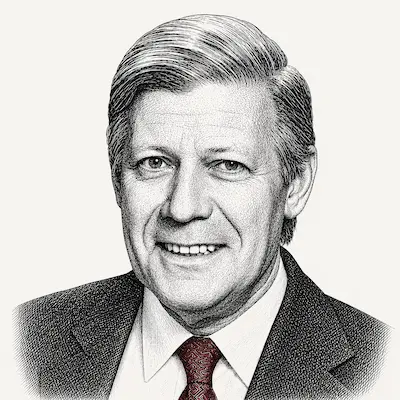
Helmut Schmidt
Will argue: The Netherlands must preserve strategic autonomy in trade decisions while maintaining alliance relationships, complete subordination to US technology policy undermines Dutch sovereignty and ASML's global position.
Schmidt navigated similar pressures as a medium power balancing between great power competition while maintaining European sovereignty and energy/technology independence.
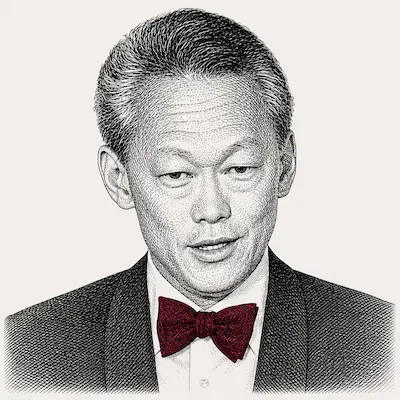
Lee Kuan Yew
Will argue: The Netherlands should leverage ASML's technological indispensability to maintain independent decision-making rather than become a tool of US-China competition.
LKY's framework for small state survival through making oneself indispensable to multiple great powers while avoiding complete alignment with either.
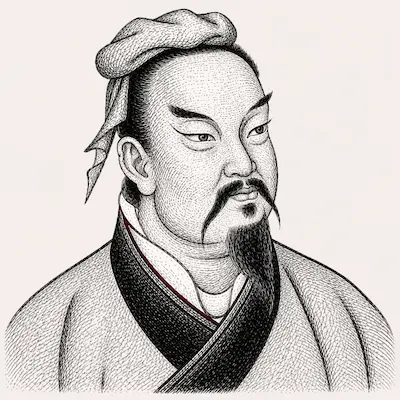
Sun Tzu
Will argue: The Netherlands holds a unique strategic position through ASML's technological monopoly and should use this advantage to avoid being forced into binary choices between great powers.
His framework on strategic positioning, intelligence as power, and avoiding direct confrontation while maintaining strategic advantage.
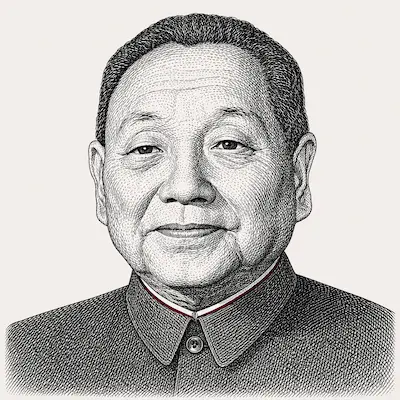
Deng Xiaoping
Will argue: China's technological development is inevitable; attempting to contain it through export restrictions will fail while damaging the Netherlands' long-term economic interests and technological leadership position.
His experience managing technology transfer relationships with advanced economies while maintaining sovereignty over development strategy.
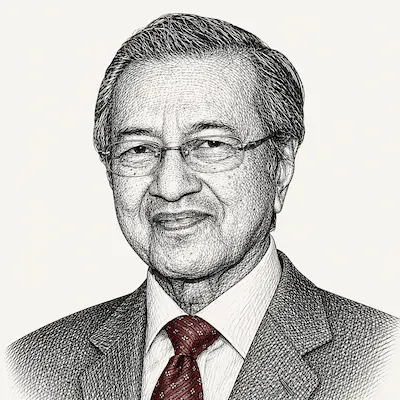
Mahathir Mohamad
Will argue: Small and medium states must resist great power pressure to subordinate their economic interests to geopolitical competition, the Netherlands should prioritize Dutch interests over American strategic objectives.
His documented experience defying Western economic pressure (1997 capital controls) and maintaining independent policy positions against great power coercion.
Considered but not selected
Adenauer: His framework centers European integration and Atlantic alliance, but the current issue involves balancing alliance obligations against economic sovereignty in a way his pure Atlanticist approach doesn't address. - Thatcher: Her framework would strongly support alignment with US positions, but lacks the small state strategic flexibility needed for this specific dilemma. - Friedman: His free trade positions would oppose restrictions, but his framework lacks the geopolitical dimension central to this issue.