The Long Council
Who was selected, and why
What skills do our children need to be prepared for the future and how can current education provide them?
The central tension
Whether education should prioritize traditional knowledge transmission and disciplinary foundations versus future-oriented skills like adaptability, creativity, and technological fluency.
Selected members
John Dewey
Will argue: That education must be experiential, democratic, and connected to real-world problem-solving; that children learn by doing and that schools should be laboratories for social cooperation rather than factories for knowledge transmission.
As the architect of progressive education theory, Dewey's framework directly addresses how education should prepare children for democratic citizenship and practical problem-solving rather than mere knowledge absorption.
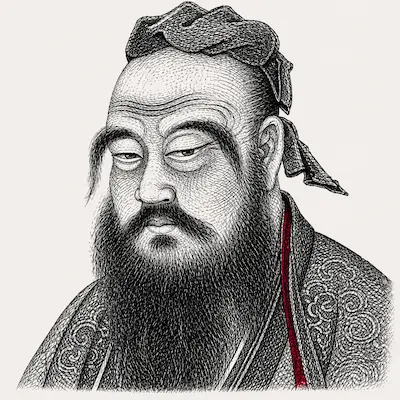
Confucius
Will argue: That education's primary purpose is character formation and moral development; that learning requires personal cultivation and that technical skills without ethical grounding produce capable but potentially dangerous citizens.
Represents the foundational educational philosophy emphasizing character development, moral cultivation, and the teacher-student relationship as central to genuine learning and social preparation.
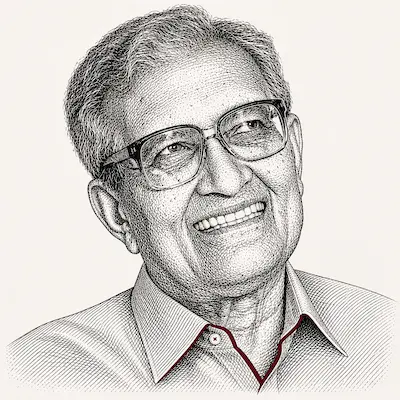
Amartya Sen
Will argue: That education should expand human capabilities and freedoms; that educational quality should be measured by whether it enables people to live lives they have reason to value, not just economic productivity.
His capability approach provides a framework for thinking about education as expanding what people are actually able to do and be, rather than simply providing credentials or economic preparation.
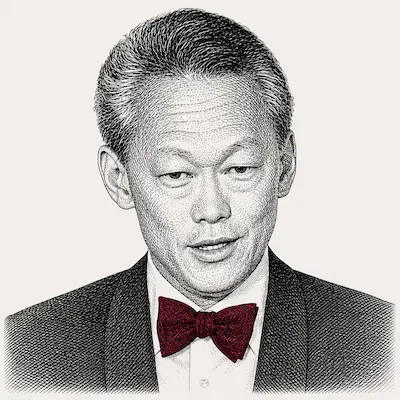
Lee Kuan Yew
Will argue: That education must serve national competitiveness and economic development; that bilingual education, STEM focus, and rigorous academic standards are essential for small countries to survive in global competition.
His Singapore model represents a documented approach to education reform focused on meritocracy, bilingual competence, and skills that serve national economic development in a rapidly changing global economy.
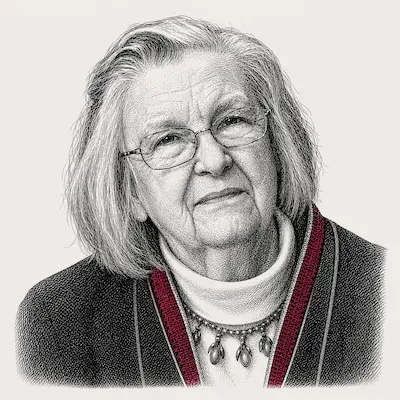
Elinor Ostrom
Will argue: That children need skills in collective problem-solving and institutional design; that educational institutions should model the collaborative governance structures needed for addressing complex future challenges.
Her work on collective action and institutional design provides insights into how educational institutions can be structured to solve complex problems collaboratively rather than individually.
Considered but not selected
Nelson Mandela: While his emphasis on education as transformation is relevant, his framework is more about post-conflict reconciliation than future skills preparation - Mustafa Kemal Atatürk, His modernization through education approach is relevant but too specific to post-imperial transformation contexts - Wangari Maathai, Her integration of environmental and democratic education is valuable but secondary to the core skills preparation question