The Long Council
Who was selected, and why
How do we ensure long-term progress of human civilization?
The central tension
The fundamental conflict between short-term political incentives (electoral cycles, immediate needs) and long-term civilizational requirements (climate stability, institutional durability, knowledge preservation).
Selected members
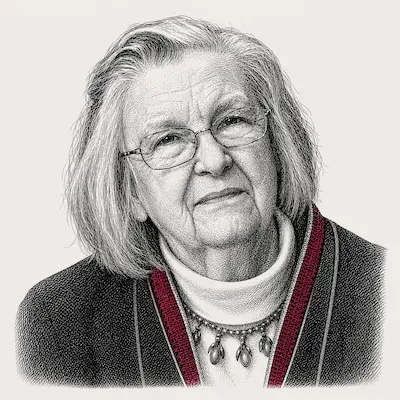
Elinor Ostrom
Will argue: Long-term progress requires polycentric governance structures that can manage global commons without relying on single hierarchical authorities.
Her framework for governing commons is directly applicable to managing global commons (climate, biodiversity, knowledge) that determine civilizational sustainability.
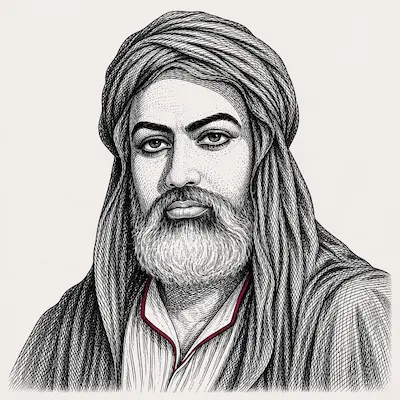
Ibn Khaldun
Will argue: Civilizational progress requires managing the luxury trap, preventing success from eroding the social cohesion and institutional discipline that enabled it.
His cyclical theory of civilizational rise and decline provides the most systematic historical framework for understanding what causes civilizations to endure or collapse.
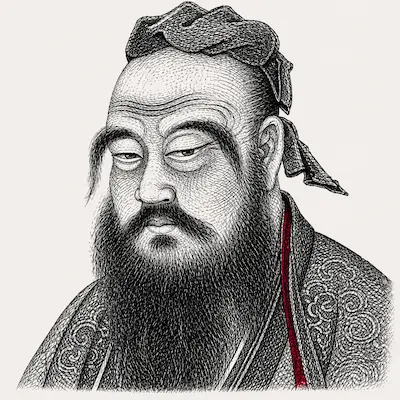
Confucius
Will argue: Long-term progress depends on cultivating institutional cultures that can reproduce quality governance across generations through education and merit-based selection.
His framework for institutional continuity across generations through moral education and meritocratic governance addresses the core challenge of long-term institutional maintenance.
Hans Jonas
Will argue: Technological civilization requires a new ethics of responsibility that prioritizes the preservation of conditions for human life over maximizing present benefits.
His "imperative of responsibility" and framework for ethics in technological civilization directly addresses how to govern for future generations under conditions of unprecedented human power.
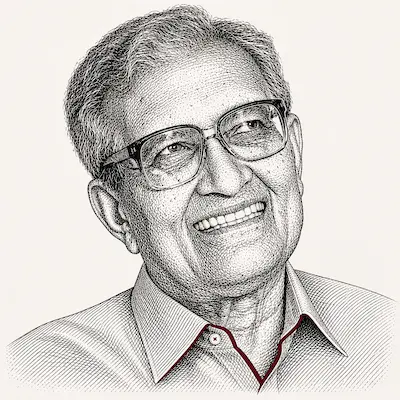
Amartya Sen
Will argue: Long-term progress requires institutions that systematically expand human capabilities while maintaining democratic accountability mechanisms.
His capability approach provides the normative framework for what constitutes genuine human progress, while his work on famines shows how institutional failures threaten civilizational continuity.
Considered but not selected
Franklin D. Roosevelt: Excellent on crisis management but his framework is designed for national rather than civilizational timescales - Wangari Maathai: Strong on environmental sustainability but her framework is primarily focused on African contexts rather than global civilizational challenges - John Rawls: His theory of justice is foundational but operates at the level of institutional design rather than civilizational durability