The Long Council
Who was selected, and why
Is it wise to aspire to start human civilization on Mars?
The central tension
The fundamental conflict between technological optimism (Mars settlement as humanity's next evolutionary step) versus resource allocation priorities (addressing Earth's challenges before pursuing interplanetary expansion).
Selected members
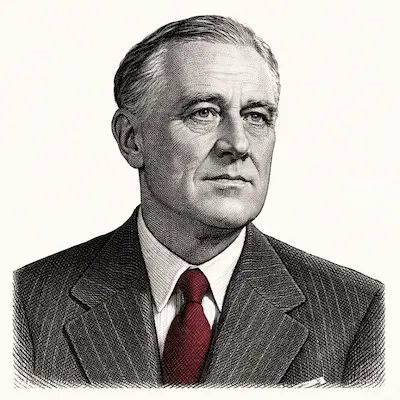
Franklin D. Roosevelt
Will argue: That such ventures require clear public benefit and democratic accountability, the question is whether Mars settlement serves collective welfare or elite escapism.
His New Deal framework for massive public investment in transformative infrastructure projects provides the closest historical parallel to the scale of resource mobilization Mars settlement would require.
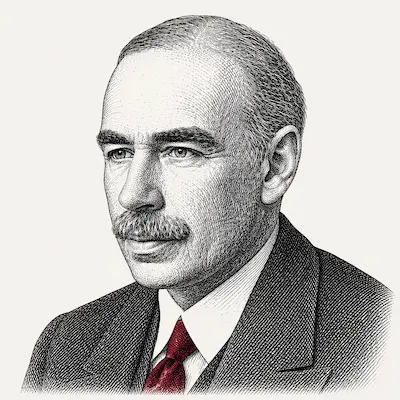
John Maynard Keynes
Will argue: That under genuine uncertainty, the question is whether Mars settlement insures against existential risk or diverts resources from more probable scenarios requiring attention.
His framework for decision-making under uncertainty and his analysis of long-term versus short-term thinking directly addresses the temporal and risk dimensions of Mars investment.
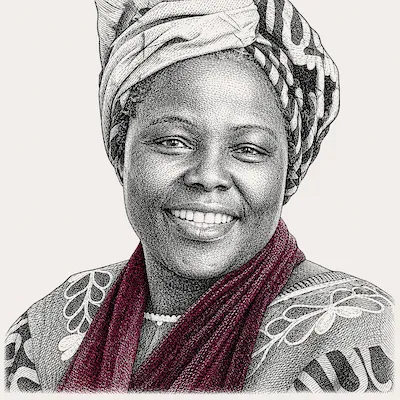
Wangari Maathai
Will argue: That Mars settlement is a form of elite escapism that abandons rather than solves Earth's environmental and social challenges, diverting resources from communities that need them most.
Her framework linking environmental governance, resource allocation, and elite priorities directly challenges the premise that expansion solves ecological problems rather than addressing their causes.
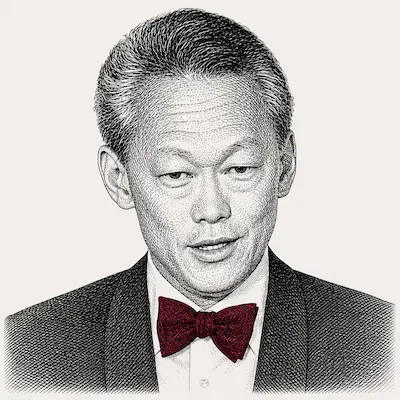
Lee Kuan Yew
Will argue: That successful civilizational ventures require clear survival benefits and institutional durability, Mars settlement must prove it strengthens rather than fragments human civilization.
His documented framework for long-term strategic planning and his analysis of what makes civilizations durable provides essential perspective on multi-generational institutional projects.
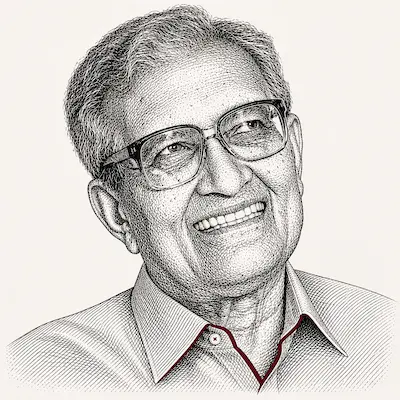
Amartya Sen
Will argue: That the resources required for Mars settlement could alternatively expand basic capabilities (health, education, freedom from want) for billions of people on Earth who currently lack them.
His capability approach and documented analysis of development priorities directly addresses whether Mars settlement enhances human flourishing or misallocates resources needed for basic capabilities.
Considered but not selected
Sun Tzu: His strategic framework assumes adversarial competition, but Mars settlement is primarily a technological and resource allocation question rather than a strategic competition. - Elinor Ostrom, Her commons governance framework could apply to Mars settlement institutions, but the primary issue is whether to pursue settlement at all, not how to govern it once established. - Ibn Khaldun, His civilizational cycle theory is relevant to long-term thinking, but Mars settlement represents a technological rather than social-political challenge to his framework.