The Long Council
Who was selected, and why
What advertising strategies or regulations would most effectively reduce vaping among young people?
The central tension
Whether market-based solutions (industry self-regulation, counter-advertising) or regulatory prohibition (advertising bans, content restrictions) more effectively reduces youth adoption of harmful products.
Selected members
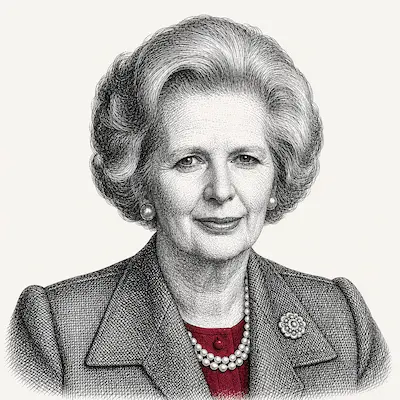
Margaret Thatcher
Will argue: Market-based counter-advertising and parental responsibility are more effective than comprehensive regulatory prohibition
Led documented campaigns against smoking through market mechanisms and public information rather than comprehensive bans
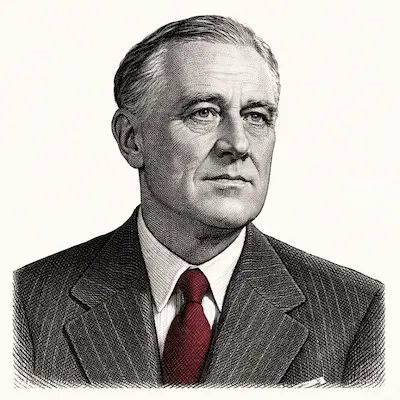
Franklin D. Roosevelt
Will argue: Government has obligation to protect youth through active counter-messaging campaigns and strategic use of media regulation
Pioneered mass communication strategies (fireside chats) and understood how to shape public behavior through messaging during crisis

Lee Kuan Yew
Will argue: Comprehensive advertising prohibition combined with social pressure and high penalties most effectively changes youth behavior
Successfully implemented comprehensive social engineering policies including anti-smoking campaigns and behavioral modification through regulation

Amartya Sen
Will argue: Effective policy must address both information asymmetries and the social conditions that make youth vulnerable to addiction
His capability approach addresses what conditions allow people (especially youth) to make genuine choices about their wellbeing
John Stuart Mill
Will argue: State intervention justified to protect minors who cannot give informed consent, but methods should preserve maximum individual liberty consistent with harm prevention
His harm principle directly addresses when state intervention in individual choice is justified, particularly regarding products that harm both users and others
Considered but not selected
Milton Friedman: His framework would oppose most advertising restrictions as market interference, but this position is already represented by Thatcher with more practical governance experience - Deng Xiaoping, Limited documented positions on public health regulation; his framework more relevant to economic development than social policy - John Rawls, His framework could address the justice of protecting vulnerable populations, but Sen provides the capability approach which is more directly applicable to youth choice and wellbeing