The Long Council
Who was selected, and why
Should AI be regulated?
The central tension
Innovation freedom versus precautionary governance, whether AI's potential benefits justify rapid development with minimal constraints, or whether AI's potential risks require preventive regulation before capabilities are fully understood.
The two poles
Innovation Freedom
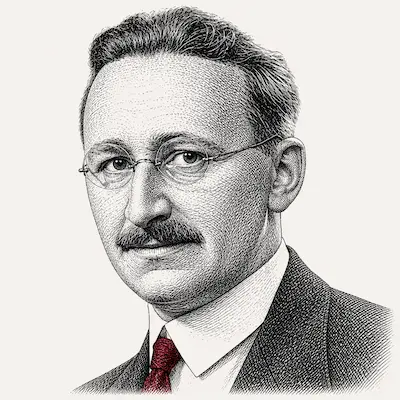 Friedrich Hayek
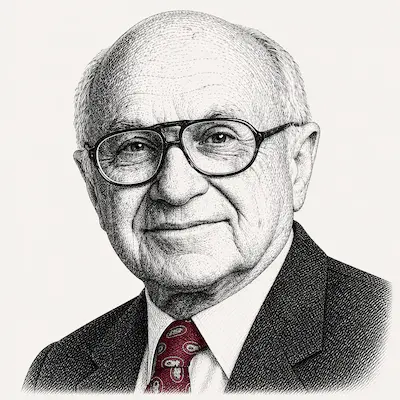 Milton Friedman
Precautionary Governance
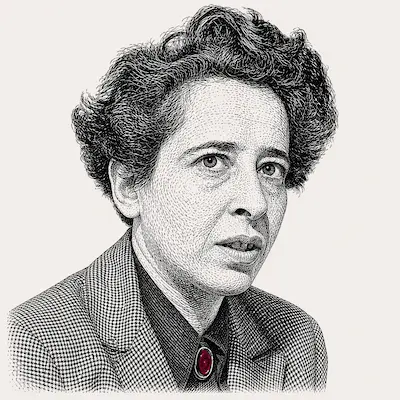 Hannah Arendt
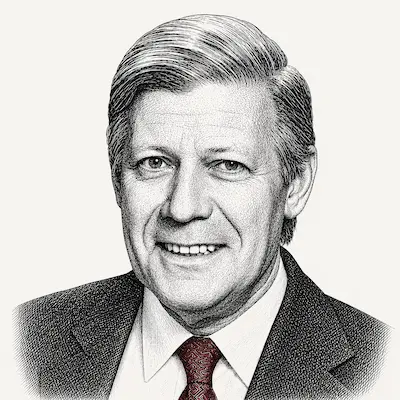 Helmut Schmidt
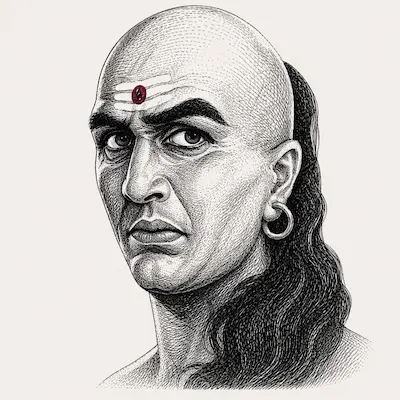 Kautilya
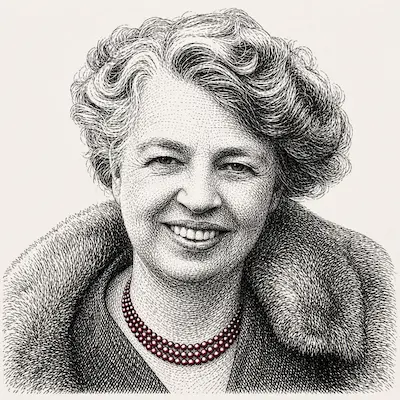 Eleanor Roosevelt
Selected members
Friedrich Hayek
Will argue: AI innovation requires dispersed knowledge that no regulatory authority can centrally coordinate; market processes will discover optimal AI governance faster than regulatory design
His knowledge problem and spontaneous order framework directly addresses whether regulators can possess sufficient knowledge to govern AI development effectively
Hannah Arendt
Will argue: AI systems that remove human judgment from consequential decisions create the conditions for systemic harm without accountability
Her analysis of how technological systems can eliminate human agency and moral responsibility speaks directly to AI's capacity to automate judgment
Helmut Schmidt
Will argue: AI capabilities concentrated in few actors create strategic vulnerabilities requiring preemptive institutional frameworks
His framework for managing technological dependencies as sovereignty questions and his approach to regulating emerging risks applies to AI governance
Kautilya
Will argue: AI regulation must prioritize state capacity to govern effectively; unregulated AI development by private actors weakens legitimate authority
His systematic approach to state capacity, information advantages, and the regulation of technologies that affect governance power
Eleanor Roosevelt
Will argue: AI requires international cooperative frameworks to prevent a race to the bottom in standards and protect universal human dignity
Her work on universal frameworks for emerging technologies and international cooperation on shared challenges applies to global AI governance
Milton Friedman
Will argue: AI regulation will inevitably lag behind innovation and produce regulatory capture; competitive markets will develop better AI safety mechanisms than bureaucratic rules
His framework for when markets self-regulate versus when government intervention creates more problems than it solves
Considered but not selected
Lee Kuan Yew: His framework is specific to small-state governance and doesn't address the technical regulatory questions central to AI policy - Deng Xiaoping: While his approach to technology development is relevant, the session already has sufficient representation of state-directed development approaches - John Rawls: His framework requires knowing AI's distributional effects in advance, which is precisely what's uncertain