The Long Council
Who was selected, and why
Should Australia ban social media for under-16s?
The central tension
Child protection through state regulation versus concerns about digital rights, enforcement feasibility, and precedent for government control over online platforms.
The two poles
Protection
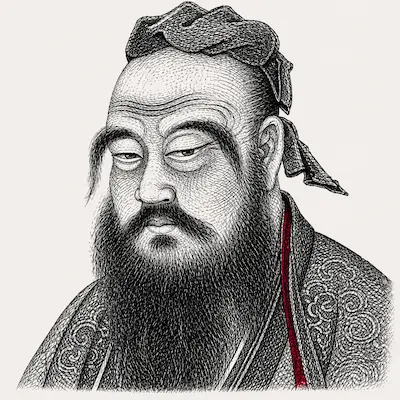 Confucius
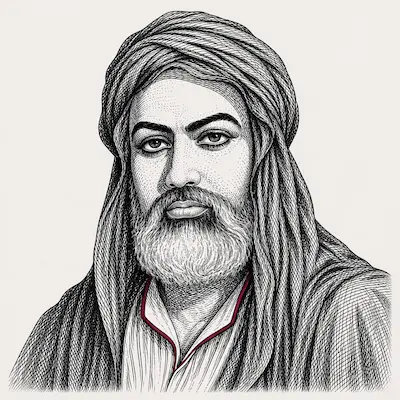 Ali ibn Abi Talib
Rights/Feasibility
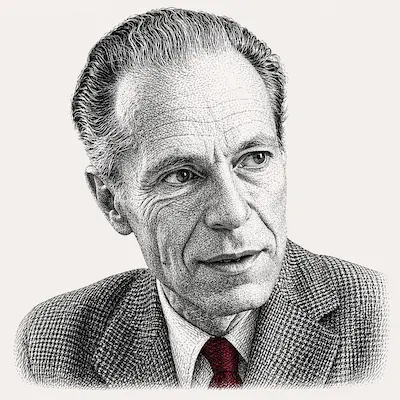 Albert O. Hirschman
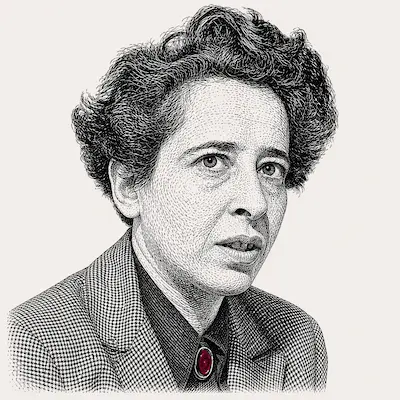 Hannah Arendt
Selected members
Albert O. Hirschman
Will argue: This is an irreversible policy requiring higher justification burden; may suppress voice mechanisms that could improve platforms
His exit/voice framework is directly applicable to platform regulation and the irreversibility principle applies to blanket age bans
Hannah Arendt
Will argue: Blanket bans eliminate the space where young people develop political judgment; risks creating atomized digital subjects
Her analysis of authority, the public realm, and the conditions for political judgment directly addresses questions of digital citizenship and state paternalism
Confucius
Will argue: The state has an obligation to protect young people's moral development; social media's current form corrupts rather than educates
His framework on education, character formation, and the ruler's obligation to create conditions for virtue directly applies to protecting youth from harmful influences
Ali ibn Abi Talib
Will argue: Children are among those "with no voice" whom the state must protect; platforms profit from exploitation of the vulnerable
His governance philosophy emphasizes the ruler's obligation to protect the vulnerable and his framework for when state intervention in private affairs is justified
Considered but not selected
John Stuart Mill: The harm principle is relevant but Mill isn't on the roster - Lee Kuan Yew, Would likely support the ban but his paternalistic authoritarianism doesn't add analytical depth beyond what's covered - John Locke, Educational theory relevant but his framework predates the technological context by centuries requiring extensive extrapolation