The Long Council
Who was selected, and why
Why do technological developments reinforce inequality and how can we prevent that?
The central tension
Whether technological innovation inherently concentrates benefits among elites who control capital and skills, or whether policy design can distribute technological gains more broadly across society.
Selected members
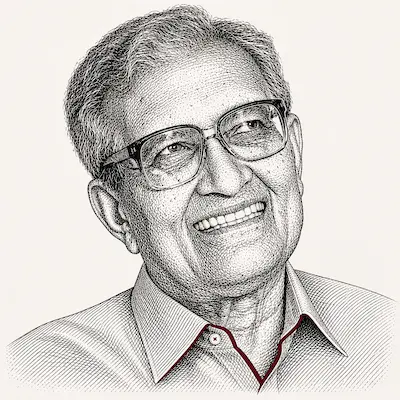
Amartya Sen
Will argue: Technology should be evaluated by whether it expands capabilities of the least advantaged, requiring deliberate policy to ensure access and prevent capability-destroying disruption.
His capability approach provides the essential framework for evaluating whether technological development expands real freedoms for all people, not just GDP growth.
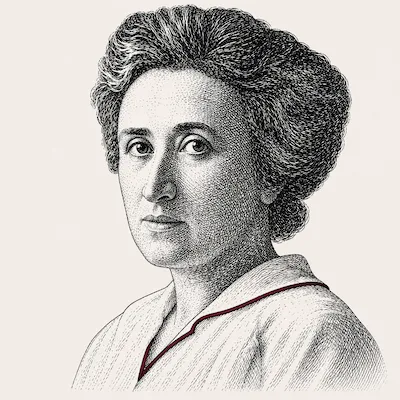
Rosa Luxemburg
Will argue: Technology under capitalism necessarily serves accumulation over human welfare; addressing tech inequality requires confronting the ownership and control structures, not just redistributive policies.
Her analysis of capitalist accumulation explains the structural tendency for new technologies to concentrate wealth and her framework predicts why market-driven innovation serves capital over labour.
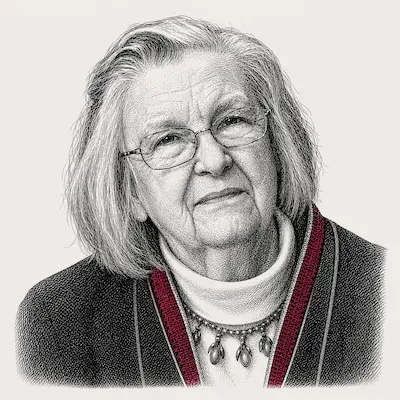
Elinor Ostrom
Will argue: Technology governance requires polycentric institutions that give communities control over technological systems affecting them, preventing monopolisation by private or state actors.
Her institutional analysis offers frameworks for governing technological commons and preventing the privatisation of technological benefits that should serve collective welfare.
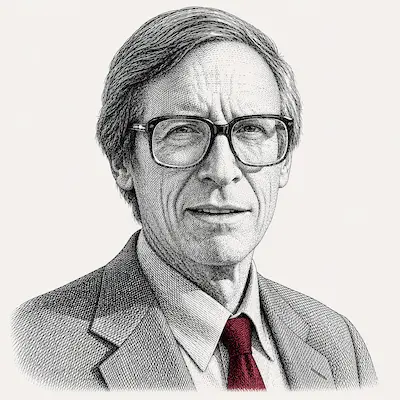
John Rawls
Will argue: Just technological development requires institutional designs ensuring innovations improve the position of the worst-off, not merely aggregate welfare or efficiency.
His difference principle provides the ethical framework for evaluating technological change, innovations should benefit society's least advantaged members.
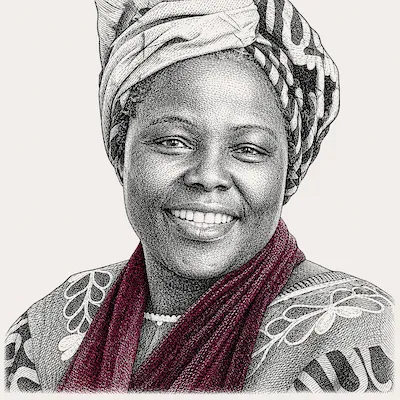
Wangari Maathai
Will argue: Technology that bypasses democratic participation and community control reproduces the same extractive patterns as other forms of unequal development.
Her integration of environmental, democratic, and gender analysis reveals how technology can reinforce multiple forms of structural inequality simultaneously.
Considered but not selected
Milton Friedman: His framework assumes technological innovation through free markets automatically benefits society, but this begs the question rather than addressing it. - Deng Xiaoping, His technology transfer strategy was state-directed for national development, not focused on within-society inequality distribution. - Lee Kuan Yew, His technology adoption was elite-directed for national competitiveness rather than addressing internal distributional concerns.