The Long Council
Who was selected, and why
How should wealth be distributed in a fully automated economy?
The central tension
Whether automation-driven productivity gains should be distributed through universal entitlements or through new forms of ownership and democratic control over automated production.
Selected members
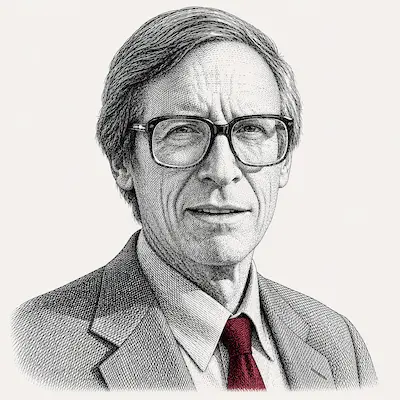
John Rawls
Will argue: That distribution schemes must be justified to all citizens regardless of their position, likely supporting arrangements that benefit the least advantaged
Provides the justice-based framework for evaluating distribution principles behind the veil of ignorance applied to automated production
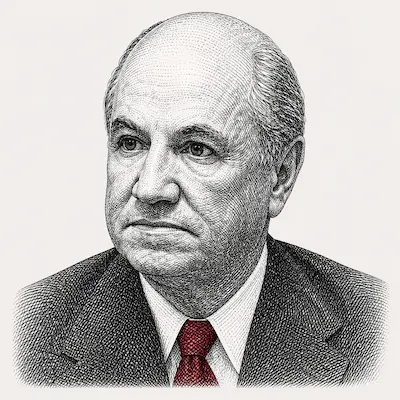
Raúl Prebisch
Will argue: That automation without structural reform will reproduce global inequality, requiring technology transfer and new international economic arrangements
Offers structural analysis of how technological advantages concentrate in "centre" economies while "peripheral" regions remain dependent
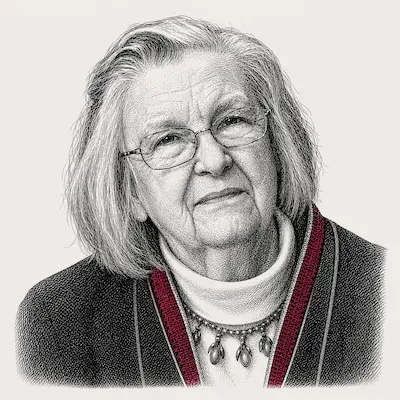
Elinor Ostrom
Will argue: That communities must have democratic input into how automated systems serve their needs, with polycentric governance structures
Provides framework for collective governance of shared productive resources when neither pure market nor pure state control applies
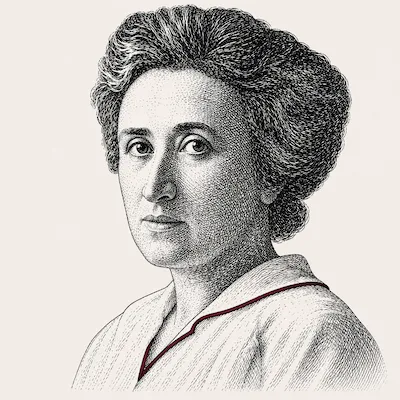
Rosa Luxemburg
Will argue: That automation under private ownership will produce crisis, requiring democratic ownership of automated production by those who depend on it
Analyzes the structural contradiction between technological productivity and capitalist accumulation, and the necessity of democratic control
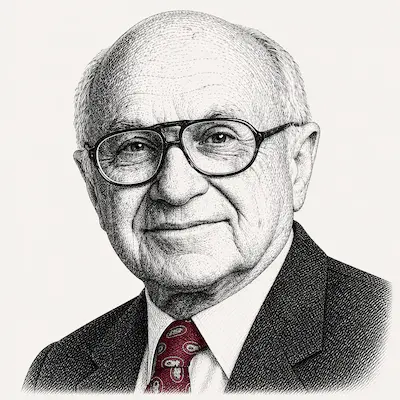
Milton Friedman
Will argue: That markets should determine automation investment while government provides income floor, preserving individual choice and economic efficiency
Offers the market-based approach through negative income tax/universal basic income funded by automation's productivity gains
Considered but not selected
Franklin D. Roosevelt: His New Deal framework addressed technological unemployment but lacks engagement with post-employment scenarios - Lee Kuan Yew: His framework assumes employment-based development model incompatible with full automation premise - Adam Smith: Would require extensive extrapolation beyond his documented framework on technology and distribution