The Long Council
Who was selected, and why
If AI takes the jobs, who’s left to buy? What stops the collapse and who must act?
The central tension
Whether the market will spontaneously generate sufficient new employment and purchasing power, or whether state intervention is necessary to maintain aggregate demand as AI transforms production.
Selected members
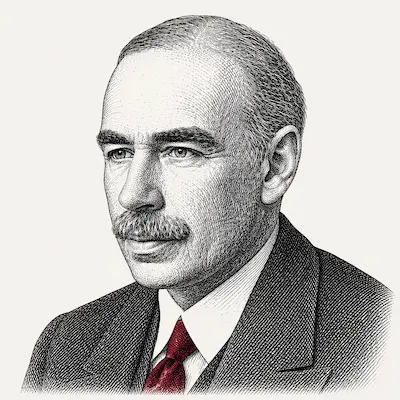
John Maynard Keynes
Will argue: Government must act as employer and purchaser of last resort; markets cannot self-correct when facing genuine uncertainty about technological disruption
His framework addresses aggregate demand failure when private investment and consumption collapse simultaneously
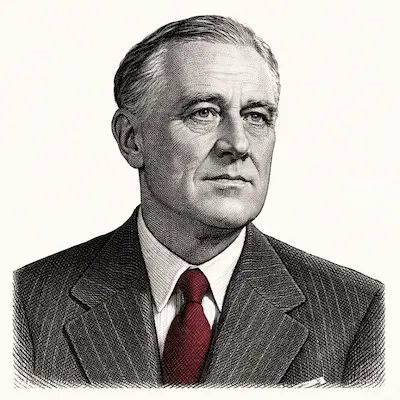
Franklin D. Roosevelt
Will argue: The state must create purchasing power directly through employment programs when private markets fail to generate sufficient demand
Documented experience managing economic transformation when existing employment structures collapsed (Great Depression)
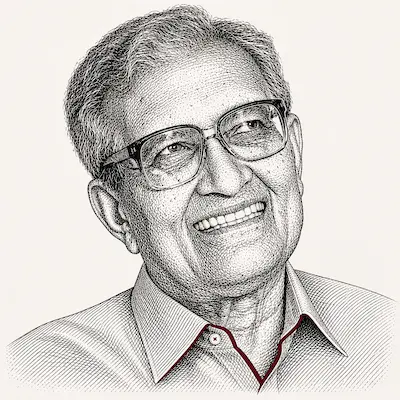
Amartya Sen
Will argue: Focus on ensuring people retain access to goods and services regardless of employment status; technological progress must expand human capabilities, not contract them
His capability approach and entitlement framework address what happens when people's legitimate claims on economic resources are severed
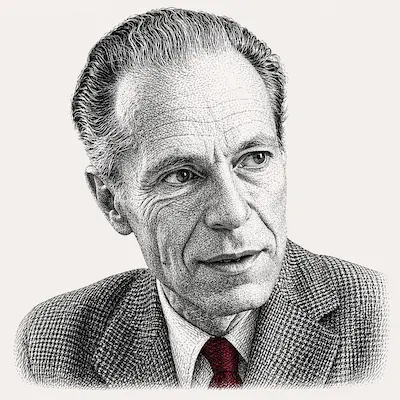
Albert Hirschman
Will argue: The disruption will force creative institutional adaptations we cannot anticipate; gradual adjustment preferable to comprehensive planning for unknowable future
His framework on unbalanced growth and creative adaptation applies to technological transitions that create productive tensions
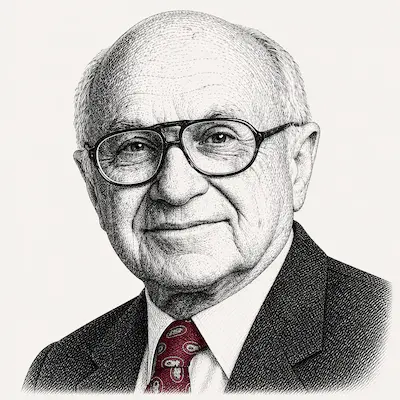
Milton Friedman
Will argue: Universal basic income through negative income tax preserves market signals while maintaining purchasing power; markets will adapt if price mechanisms remain intact
His negative income tax proposal and framework for market adaptation to technological change
Considered but not selected
Deng Xiaoping: His development model assumes labor-intensive industrialization, not applicable to post-employment scenarios Margaret Thatcher, Her framework prioritized supply-side structural adjustment, not demand management during technological transition Elinor Ostrom, Commons framework not directly applicable to employment and consumption as economic relationships rather than shared resources