The Long Council
Who was selected, and why
Can Vietnam position itself in a way to compete with China for manufacturing business from western countries?
The central tension
Whether Vietnam can achieve the scale, infrastructure, and productivity advantages needed to compete with China's manufacturing dominance while managing the geopolitical risks of positioning itself as an alternative to a major regional power.
Selected members
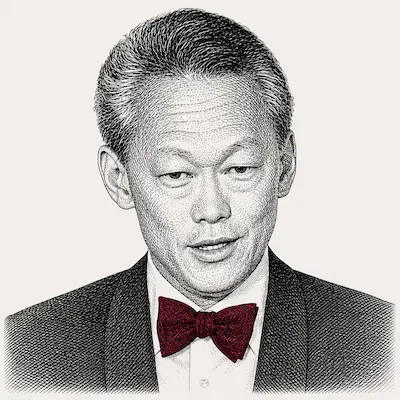
Lee Kuan Yew
Will argue: Vietnam must make itself indispensable to Western manufacturers through superior infrastructure, workforce quality, and regulatory efficiency while carefully managing China relations
Built Singapore's export-oriented industrialisation strategy and mastered small state positioning between great powers
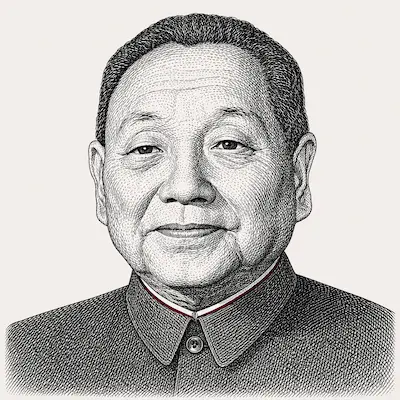
Deng Xiaoping
Will argue: Manufacturing competitiveness requires massive infrastructure investment, workforce development, and decades of consistent policy, Vietnam can succeed but must avoid premature confrontation with China
Architect of China's own export-manufacturing model that Vietnam now seeks to compete against
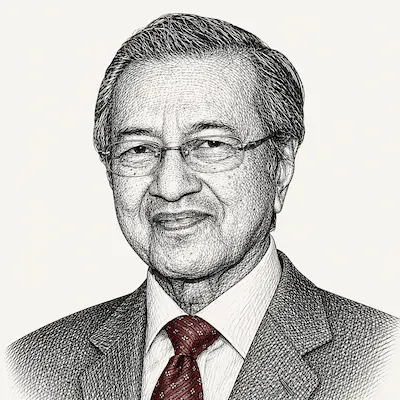
Mahathir Mohamad
Will argue: Vietnam should pursue industrial upgrading through state-directed development while refusing to become a pawn in US-China competition, economic nationalism with strategic non-alignment
Successfully developed Malaysia as a middle-income manufacturing hub while maintaining strategic autonomy from major powers
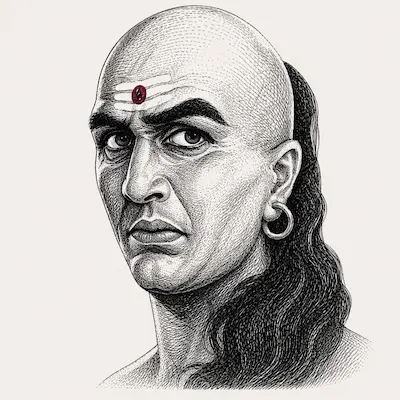
Kautilya
Will argue: Vietnam must use asymmetric advantages (lower costs, geographic position) while building relationships with multiple powers to avoid dependence on any single patron
The mandala theory of statecraft for managing relationships with more powerful neighbors
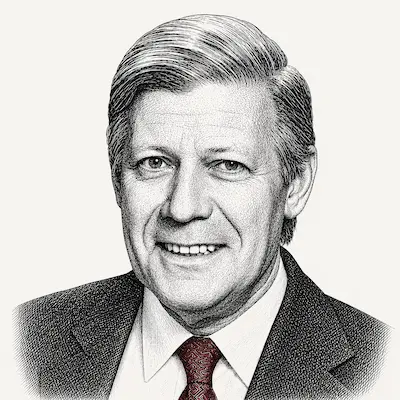
Helmut Schmidt
Will argue: Vietnam needs long-term industrial policy, energy security, and regional partnerships (ASEAN) to create alternatives to Chinese supply chains without triggering retaliation
Managed West Germany's export economy while navigating between superpowers during détente
Considered but not selected
Sun Tzu: His adversarial framework assumes direct competition, whereas Vietnam needs to compete economically while avoiding military confrontation - Raúl Prebisch: His dependency theory framework is relevant but Vietnam's challenge is competing within the existing global manufacturing system, not restructuring it - Ellen Johnson Sirleaf: Her post-conflict reconstruction experience doesn't match Vietnam's manufacturing development challenge