The Long Council
Who was selected, and why
Is it useful for the US to have military bases on every continent?
The central tension
Global military presence as security guarantee versus imperial overstretch and legitimacy costs.
Selected members
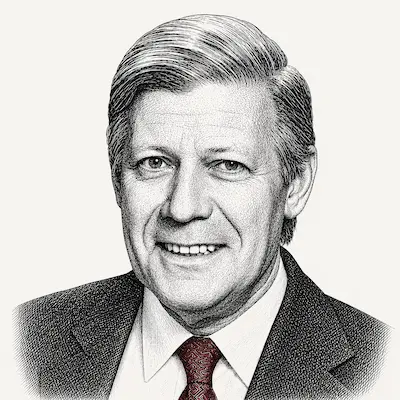
Helmut Schmidt
Will argue: US global presence provides stability but must be sustained through genuine alliance partnerships, not unilateral positioning
Experienced alliance management and the strategic value of US presence in Europe during Cold War
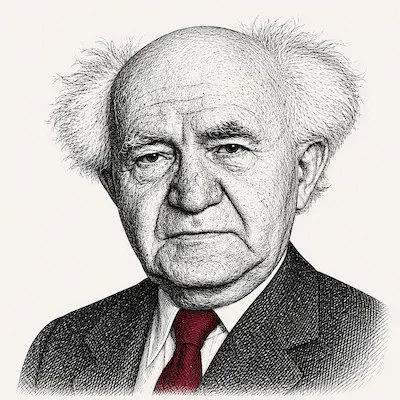
David Ben-Gurion
Will argue: Military presence must serve concrete strategic purposes and be welcomed by host populations; presence without clear objectives becomes vulnerability
Managed small state security through pragmatic great power relationships and understood the costs/benefits of external military dependence
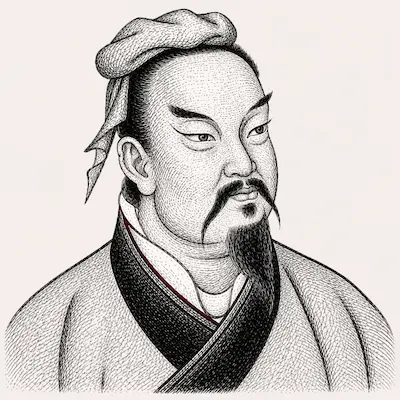
Sun Tzu
Will argue: Supreme strategic excellence is achieving security without permanent military deployment; bases should enable strategic flexibility, not create fixed commitments
Strategic positioning, intelligence networks, and the principle of achieving objectives at minimum cost

Kautilya
Will argue: Military presence must generate more security than it consumes in resources; distant deployments require local legitimacy and alliance structures to be sustainable
Imperial administration, alliance geometry in multi-polar systems, and the economic costs of military overextension
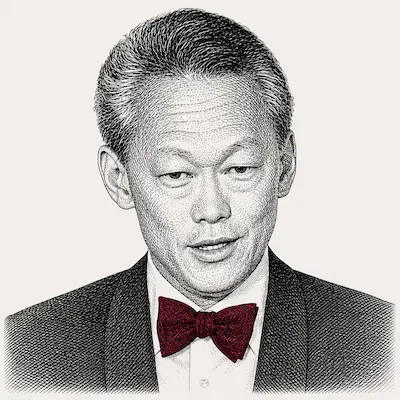
Lee Kuan Yew
Will argue: From host nation perspective, US bases provide security against regional threats but must be balanced against sovereignty costs and regional relationships
Small state perspective on great power competition and the strategic utility of hosting external military presence
Considered but not selected
Thatcher: Strong advocate for transatlantic alliance but primarily focused on European theater rather than global deployment strategy - Adenauer: Relevant for alliance management but his framework was specific to European integration and post-war German circumstances - Machiavelli: Strategic thinking applicable but lacks documented engagement with the specific challenges of maintaining distant military commitments