The Long Council
Who was selected, and why
What's in the best interest of the US: maintain current military presence in Europe, or redeploy troops to other regions?
The central tension
Alliance commitment versus strategic pivot, balancing established NATO obligations against emerging threats in other theaters.
Selected members
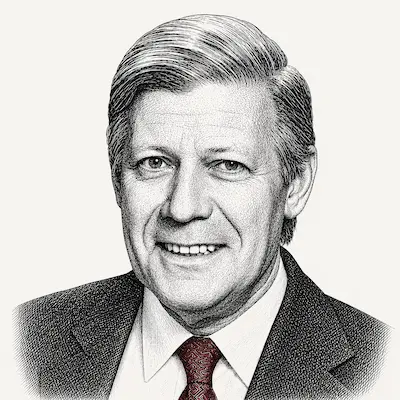
Helmut Schmidt
Will argue: US presence in Europe remains essential for alliance credibility; European security cannot be detached from American commitment without systemic instability
Architect of NATO's dual-track decision and theorist of transatlantic burden-sharing who governed through the Cold War's most dangerous phase
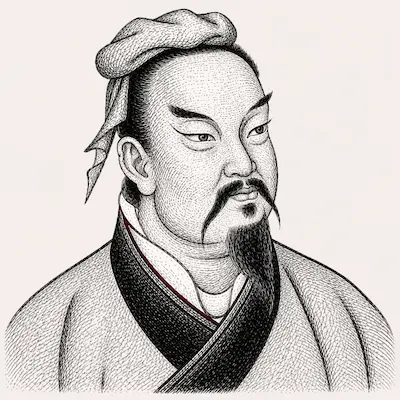
Sun Tzu
Will argue: Optimal force deployment depends on adversary calculations; visible redeployment signals strategic priorities and may invite probing by competitors
Strategic positioning theorist whose framework addresses force deployment, adversary perception, and the management of multiple theaters simultaneously
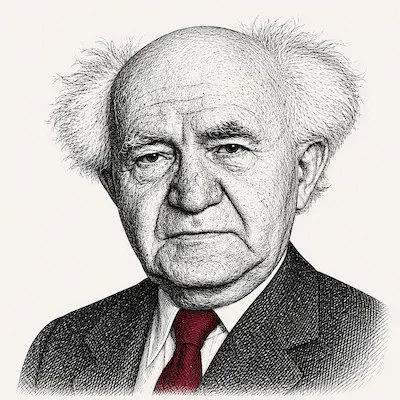
David Ben-Gurion
Will argue: Military presence is the credible signal that distinguishes alliance from mere diplomatic cooperation; withdrawal changes the strategic calculation for all parties
Small state leader who mastered alliance management with great powers and understood the relationship between military presence and political commitment
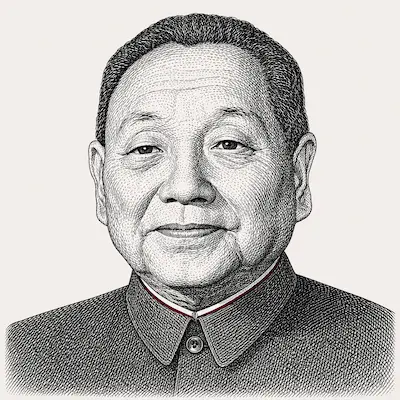
Deng Xiaoping
Will argue: US global military commitments are unsustainable; intelligent adversaries will exploit overextension by forcing choices between theaters
Strategic analyst who understood great power competition and advised "hide your strength, bide your time" while observing US global deployments
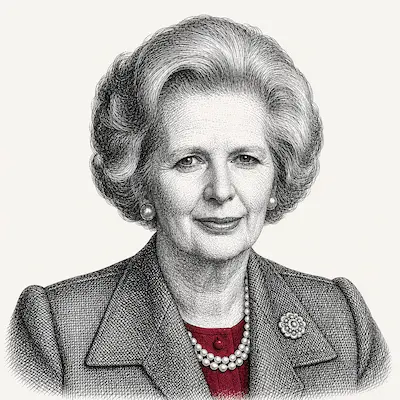
Margaret Thatcher
Will argue: European security requires visible American commitment; any withdrawal weakens deterrence and invites Russian probing of alliance resolve
Transatlantic alliance architect who understood the relationship between US military presence and European security during Cold War transitions
Considered but not selected
Franklin D. Roosevelt: Bretton Woods architect but died before NATO; limited direct relevance to post-Cold War alliance management - Konrad Adenauer: Strong on European integration but his framework predates the current strategic environment with China - Lee Kuan Yew: Excellent on US-China competition but limited documented positions on European security architecture