The Long Council
Who was selected, and why
Should the US government's fast-track loan to Vulcan Elements, a firm with ties to a ruling official's family, be considered corruption or legitimate governance?
The central tension
The conflict between legitimate industrial policy implementation and the appearance of personal enrichment from official decisions.
Selected members

Kautilya
Will argue: That adequate official compensation reduces corruption incentives, but any personal financial interest in state investment decisions violates the principle that officials serve the treasury, not themselves.
His Arthashastra contains the most systematic ancient framework for preventing official corruption and managing conflicts of interest in state economic intervention.
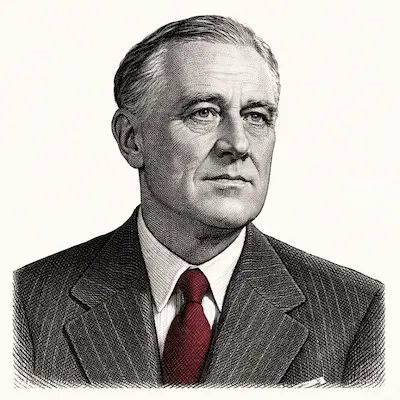
Franklin D. Roosevelt
Will argue: That strategic government investment is legitimate governance, but must be accompanied by transparent conflict-of-interest procedures to maintain public confidence in the programme.
His New Deal involved massive government investment in strategic industries, requiring him to navigate similar questions about state direction of capital and potential conflicts of interest.
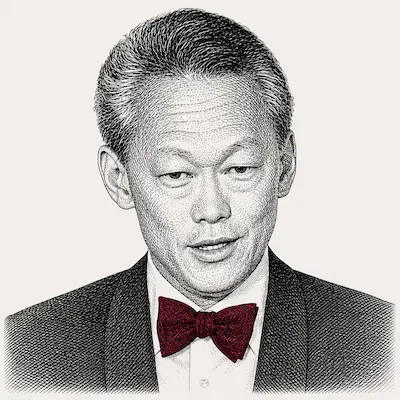
Lee Kuan Yew
Will argue: That the appearance of impropriety is as damaging as actual corruption, and that officials with financial interests in policy outcomes must recuse themselves completely.
His governance model combined extensive state economic intervention with zero tolerance for corruption, providing a framework for clean state capitalism.

Wangari Maathai
Will argue: That the critical mineral designation and fast-track process create conditions for elite capture unless accompanied by transparent public oversight and community accountability mechanisms.
Her analysis of how corruption in resource allocation undermines both environmental and democratic governance applies directly to clean energy investment decisions.
Considered but not selected
Adam Smith: His framework on conflicts of interest is relevant but less specific to government industrial policy than the selected practitioners - Nelson Mandela: Post-apartheid governance experience relevant but lacks the specific focus on state economic intervention - Margaret Thatcher: Her anti-state intervention stance would reject the premise rather than address the corruption question