The Long Council
Who was selected, and why
How should a leader balance personal ethics with political effectiveness?
The central tension
The fundamental conflict between maintaining moral integrity and achieving practical political outcomes that may require ethically compromising actions.
Selected members
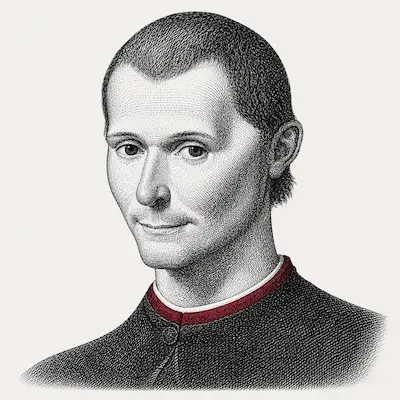
Niccolò Machiavelli
Will argue: That political effectiveness sometimes requires actions that would be immoral in private life, and that a leader who is only virtuous will be destroyed by those who are not
The originator of the analytical separation between political effectiveness and moral virtue, his framework directly addresses when a leader must "know how not to be good"
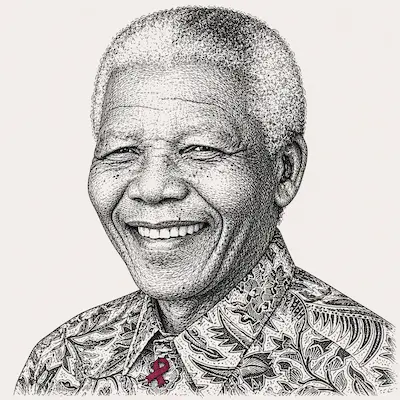
Nelson Mandela
Will argue: That strategic compromise in service of higher principles can itself be ethical, and that reconciliation is not moral weakness but strategic necessity for durable governance
Faced the starkest version of this dilemma, choosing reconciliation over justice, negotiating with oppressors, and sacrificing immediate accountability for long-term stability
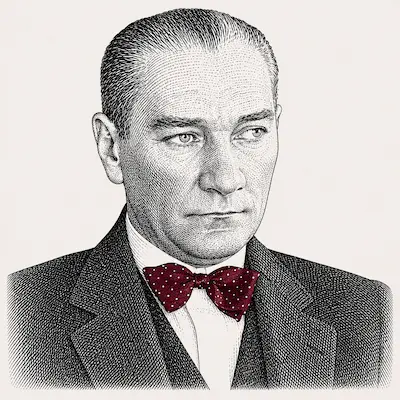
Mustafa Kemal Atatürk
Will argue: That rapid transformation sometimes requires temporary authoritarianism, and that imposing freedom may be the only path to genuine freedom
Implemented radical top-down transformation while suppressing democratic opposition, creating the tension between liberating ends and authoritarian means
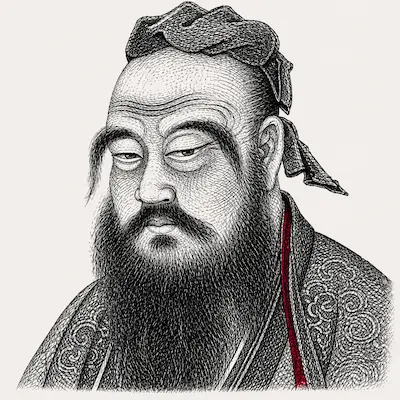
Confucius
Will argue: That apparent conflicts between ethics and effectiveness are false dilemmas, that moral authority is the most durable form of political power
Provides the counterargument that moral cultivation of the ruler is itself the primary governance instrument, and that effectiveness flows from virtue, not despite it
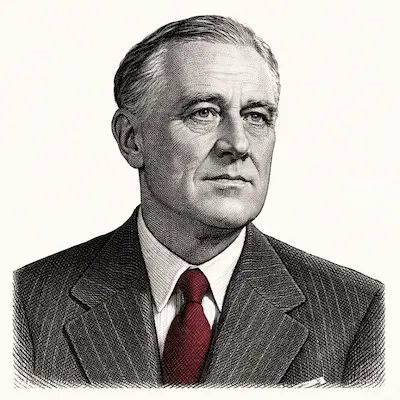
Franklin D. Roosevelt
Will argue: That democratic leaders must sometimes sacrifice immediate moral purity to preserve the democratic system that makes moral progress possible
Managed the tension throughout his presidency, Japanese internment vs. Four Freedoms, coalition-building with Southern segregationists vs. civil rights principles
Considered but not selected
Mahatma Gandhi: His framework treats means and ends as inseparable, making him less useful for exploring genuine tragic choice situations - Abraham Lincoln: Would strengthen the discussion but creates redundancy with FDR on American democratic leadership under pressure - John Rawls: His ideal theory framework doesn't adequately address non-ideal conditions where the dilemma is sharpest