The Long Council
Who was selected, and why
Could Trump's rise have been predicted, and what conditions made it possible?
The central tension
Whether Trump represents an unprecedented disruption of democratic norms or the predictable outcome of structural conditions that existing analytical frameworks should have anticipated.
Selected members
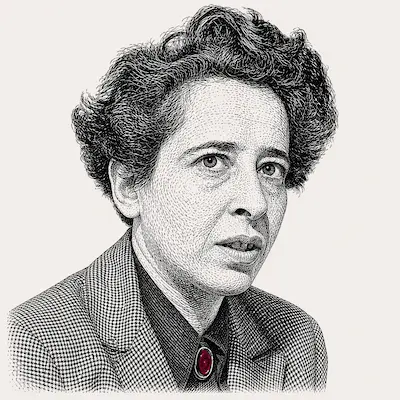
Hannah Arendt
Will argue: Trump's rise reflects the structural preconditions she identified: mass atomization, collapse of traditional authority, and the substitution of violence for power
The premier theorist of how democracies collapse and ordinary people become instruments of systematic harm through the erosion of political community
Alexis de Tocqueville
Will argue: Trump exploited the democratic pathologies Tocqueville predicted: individualism destroying civic bonds, majority tyranny, and democratic despotism arising from equality of conditions
The foundational analyst of American democracy's strengths and vulnerabilities, particularly the tension between equality and liberty
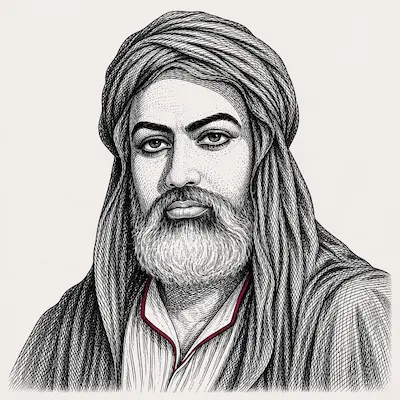
Ibn Khaldun
Will argue: American institutional elites had lost legitimacy through luxury and distance from popular concerns, creating conditions for outsider capture
The theorist of cyclical political decay through loss of group solidarity (asabiyya) and institutional corruption
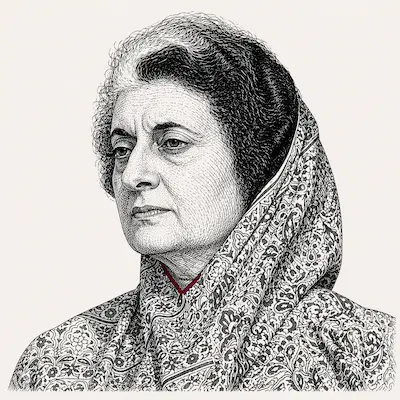
Indira Gandhi
Will argue: Trump's approach parallels her Emergency logic: claiming exceptional circumstances justify extraordinary executive power to "save" democracy
The documented case of democratic backsliding by an elected leader who suspended democratic norms while claiming to preserve democracy
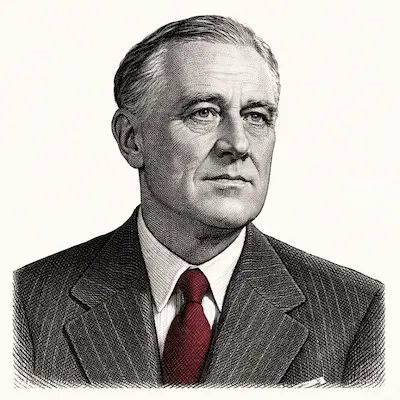
Franklin D. Roosevelt
Will argue: The conditions that enabled Trump (economic anxiety, institutional distrust) were manageable through inclusive democratic leadership, as his own presidency demonstrated
The counter-example of democratic leadership during crisis that strengthened rather than weakened democratic institutions
Considered but not selected
Niccolò Machiavelli: Excluded because Trump's rise is fundamentally about democratic pathology, not strategic cunning - Margaret Thatcher: Excluded because while she was populist, she operated within established democratic norms - Julius Nyerere: Excluded because his framework addresses post-colonial rather than established democratic contexts