The Long Council
Who was selected, and why
When debt grows, why do governments choose to print money — and how does that shape the debt cycle?
The central tension
Whether monetary expansion to manage debt burdens is a necessary crisis tool or a mechanism that creates larger future instabilities.
Selected members
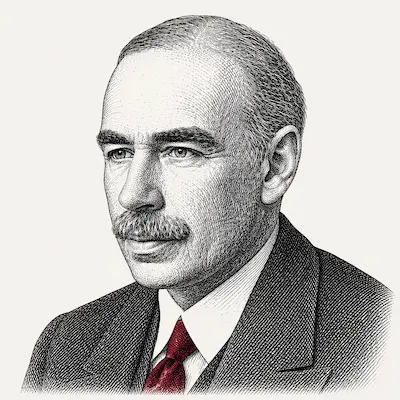
John Maynard Keynes
Will argue: Under genuine uncertainty, monetary expansion may be the least-bad option when debt service threatens economic collapse; the long run is subordinate to crisis management
Architect of counter-cyclical policy and theorist of uncertainty in economic decision-making
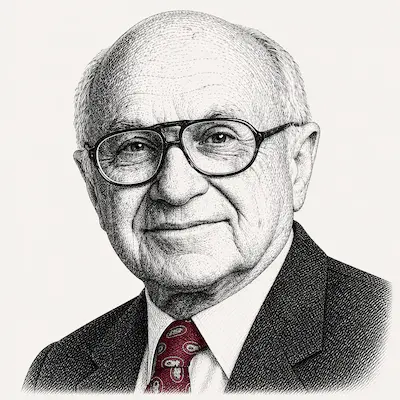
Milton Friedman
Will argue: Monetary expansion to finance debt is the mechanism by which governments destroy their own credibility; inflation is the most regressive tax and debt monetisation teaches markets not to trust future commitments
Monetarist theorist who documented inflation as "always and everywhere a monetary phenomenon"
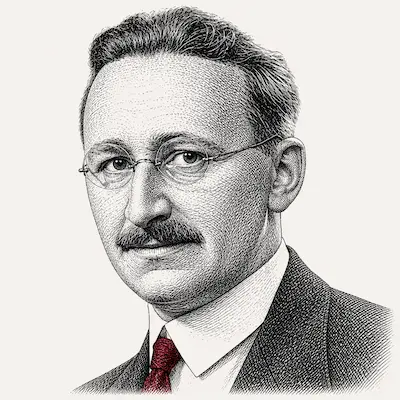
Friedrich Hayek
Will argue: Debt monetisation is the road to economic serfdom; governments that print money to escape debt burdens destroy the price signals that enable rational economic calculation
Theorist of spontaneous order and critic of government intervention who experienced Weimar hyperinflation
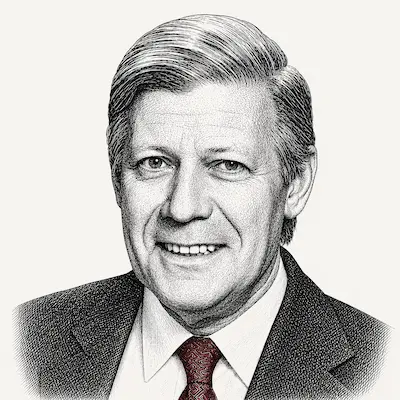
Helmut Schmidt
Will argue: Governments choose monetary expansion because the political cost of fiscal adjustment is immediate while the cost of inflation is delayed; institutional constraints like independent central banks exist precisely to prevent this choice
Governed through 1970s stagflation and oil shocks; documented conflicts with Bundesbank over monetary policy
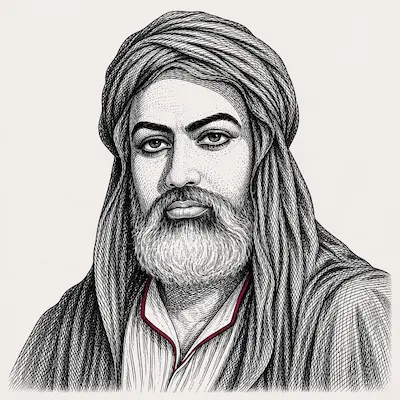
Ibn Khaldun
Will argue: Debt-driven monetary expansion is a documented symptom of dynastic decline; rulers who debase currency to finance expenditure destroy the productive base they depend on, accelerating the cycle toward collapse
Theorist of dynastic cycles who documented taxation and currency debasement as symptoms of state decline
Considered but not selected
Franklin D. Roosevelt: His gold standard decision was situation-specific rather than systematic monetary theory - Margaret Thatcher, Her monetarism was implemented by others (Lawson, Howe) rather than theoretically developed - Lee Kuan Yew, Singapore's currency management was designed for different structural conditions (city-state, trade surplus)