The Long Council
Who was selected, and why
How can we make sure the strait of Hormuz gets re-opened ASAP?
The central tension
Military force to clear the strait versus diplomatic negotiation to prevent escalation that could worsen or prolong the crisis.
Selected members
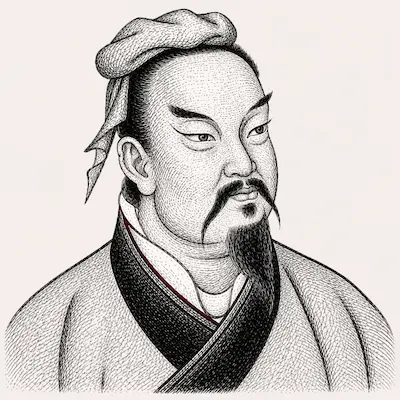
Sun Tzu
Will argue: Supreme excellence is reopening the strait without military confrontation through strategic pressure, coalition building, and exploiting the blocking power's own vulnerabilities.
The Strait of Hormuz blockade is a classic strategic chokepoint scenario where his framework of achieving objectives through positioning and intelligence rather than direct confrontation is directly applicable.
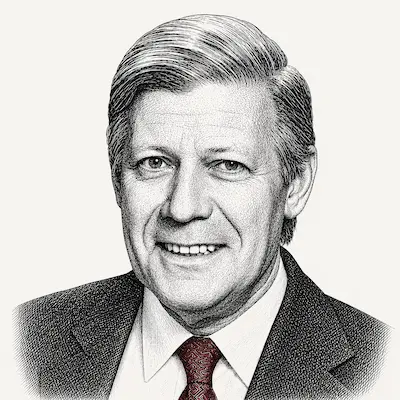
Helmut Schmidt
Will argue: Energy security requires both immediate diplomatic coordination among consuming nations and long-term diversification to reduce vulnerability to chokepoint closure.
Schmidt's documented experience managing energy security crises (1973 oil embargo) and his framework treating energy dependency as a sovereignty question makes him essential for the economic-strategic dimensions.
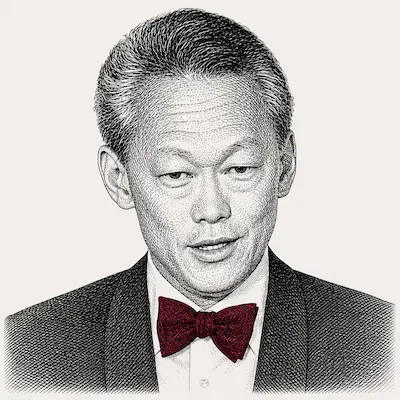
Lee Kuan Yew
Will argue: The blocking power must be made to understand that chokepoint control brings costs not just benefits, international isolation and economic retaliation that exceed any strategic gains.
Singapore's position controlling the Malacca Strait gives LKY direct documented experience in small-state management of critical maritime chokepoints and balancing great power interests.
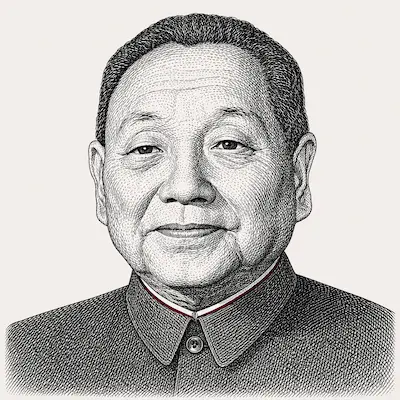
Deng Xiaoping
Will argue: Chokepoint closure threatens the global economic system that benefits all major powers, economic interdependence makes permanent blockade irrational even for the blocking power.
If the blocking involves China or requires Chinese cooperation, Deng's documented strategic doctrine of "hide your strength, bide your time" and economic interdependence provides the Chinese strategic perspective.
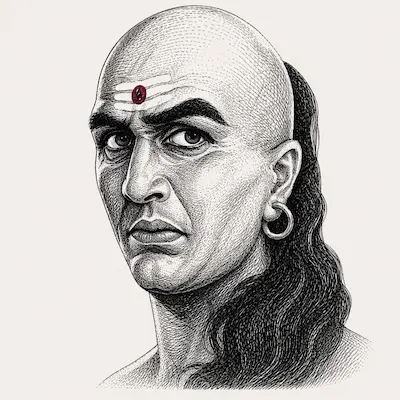
Kautilya
Will argue: Form a coalition of affected maritime powers to isolate the blocking state economically while offering face-saving alternatives that allow reopening without appearing to surrender.
His mandala system for managing multiple adversaries and allies, and his framework for economic warfare through trade disruption, directly applies to coalition building for chokepoint reopening.
Considered but not selected
Franklin D. Roosevelt: His documented experience is with broader coalition management during total war, not the specific challenge of maritime chokepoint diplomacy - Bismarck, Limited naval experience; his documented framework is continental European balance of power, not maritime strategic pressure - Churchill, His maritime strategy experience is primarily wartime rather than crisis management short of war