The Long Council
Who was selected, and why
When China invades Taiwan, should the US protect Taiwan's democratic regime?
The central tension
Democratic values and alliance credibility versus great power conflict escalation and nuclear risk.
Selected members
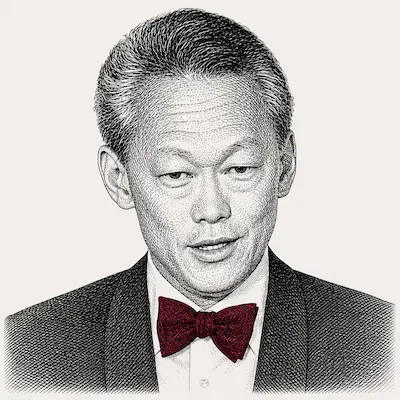
Lee Kuan Yew
Will argue: US credibility in East Asia depends on Taiwan commitment, but direct confrontation with China over Taiwan risks catastrophic escalation that serves no one's interests
Singapore's survival required navigating between great powers; LKY developed explicit doctrine on US-China competition in East Asia
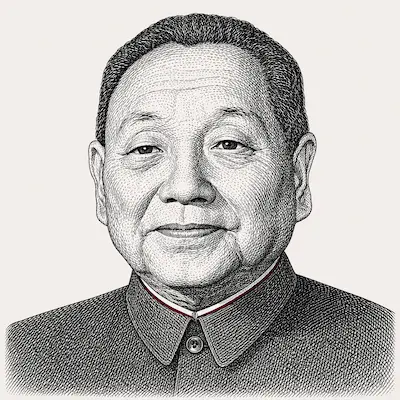
Deng Xiaoping
Will argue: Taiwan reunification is non-negotiable Chinese core interest; peaceful resolution preferred but force justified if independence declared; US intervention would be illegitimate interference
Articulated China's position on Taiwan reunification and developed "One Country, Two Systems" framework; governed China's opening while maintaining territorial claims
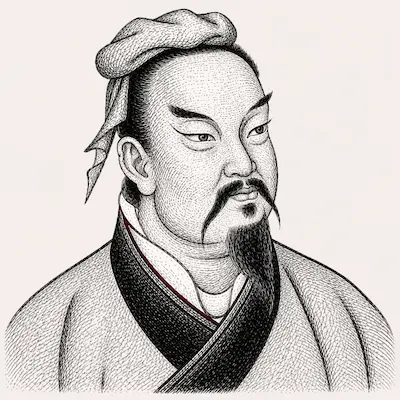
Sun Tzu
Will argue: Supreme excellence is achieving objectives without fighting; both sides should seek face-saving resolution that avoids direct military confrontation
Strategic framework for great power competition, asymmetric advantage, and achieving objectives without direct confrontation
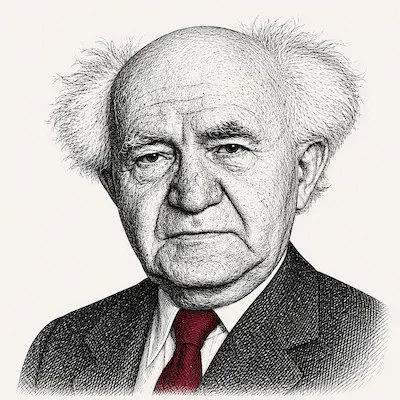
David Ben-Gurion
Will argue: Democracies under existential threat require credible security guarantees; abandoning Taiwan would signal broader retreat from democratic allies globally
Governed small democratic state under existential threat; developed doctrine of alliance management and preemptive action for survival
Henry Kissinger
Will argue: Strategic ambiguity serves all parties; clarity invites confrontation; focus should be on deterring both Chinese attack and Taiwanese independence declaration
Architect of US-China opening; managed great power relations and nuclear deterrence during Cold War; developed realist framework for balancing commitments and capabilities
Considered but not selected
Helmut Schmidt: European perspective on alliance management but limited documented record on East Asian security - Indira Gandhi: Non-alignment doctrine relevant but insufficient engagement with alliance commitment dilemmas under military threat - Franklin D. Roosevelt: World War II alliance experience but dated for modern nuclear great power competition