The Long Council
Who was selected, and why
Why do Israelis perceive Palestinian suffering differently than most Western countries do?
The central tension
The analytical conflict between experiential threat perception shaped by personal combat experience versus moral evaluation based on casualty counts and international law frameworks.
Selected members
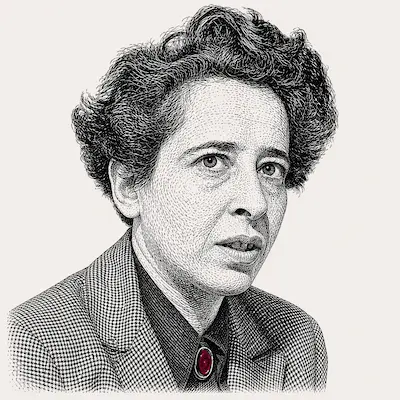
Hannah Arendt
Will argue: That systematic exposure to existential threat creates institutional cultures where survival calculations override moral evaluation, but this does not eliminate moral responsibility, it transforms how it operates.
Her analysis of how ordinary institutional cultures enable systematic harm, and the conditions under which moral judgment becomes suspended in favour of role performance.
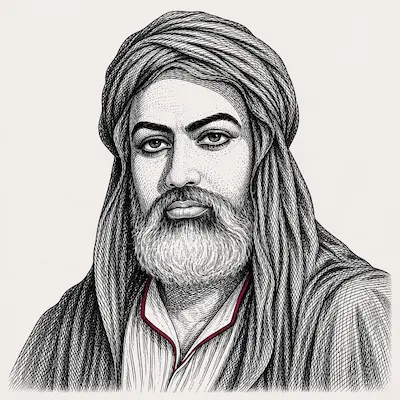
Ibn Khaldun
Will argue: That sustained external pressure on a group with strong internal cohesion (Israeli society) creates a siege mentality where group survival takes precedence over universal moral evaluation.
His framework on group solidarity (asabiyya) and how external pressure strengthens internal cohesion while making groups less capable of recognizing the humanity of those defined as external threats.
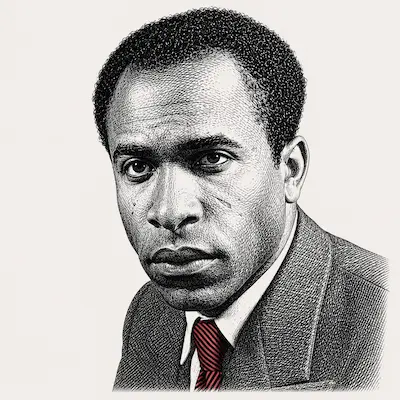
Frantz Fanon
Will argue: That Israelis and Western observers occupy different structural positions relative to the conflict, Israelis experience it as existential survival while Westerners evaluate it as external observers applying universal moral standards.
His analysis of how colonial and post-colonial conflicts produce split consciousness and different frameworks for evaluating violence depending on one's structural position in the conflict.
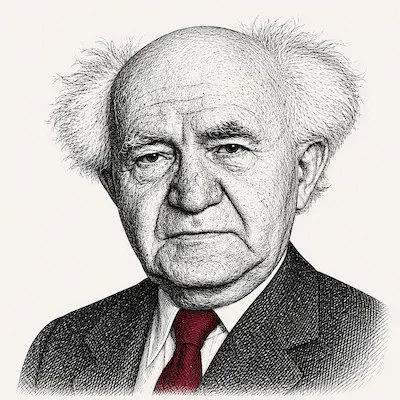
David Ben-Gurion
Will argue: That societies under genuine existential threat develop different moral frameworks for evaluating necessary versus unnecessary violence, and that this difference is rational rather than pathological.
His documented experience of state-building under existential threat and his framework that security is the precondition of everything else, including moral evaluation.
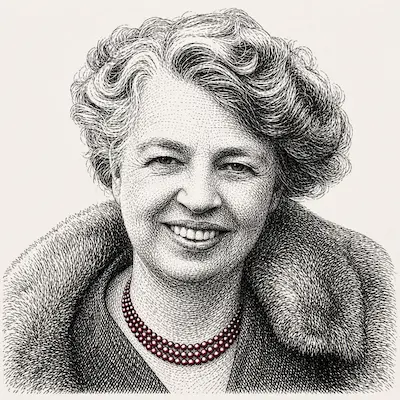
Eleanor Roosevelt
Will argue: That universal human rights frameworks must be applied consistently regardless of the political pressures or survival claims of particular states, and that proportionality in response to threats is a core requirement of just action.
Her framework for universal human rights as applying to all persons regardless of citizenship, and her documented struggle with how to maintain universal principles under political pressure.
Considered but not selected
Mandela: Not selected because his reconciliation framework assumes post-conflict conditions, while this is an ongoing conflict with live security threats. - Confucius: Not selected because his framework prioritises harmony and order, which doesn't directly address the moral evaluation of casualties in active conflict. - Rawls: Not selected because his veil of ignorance approach, while relevant to impartial moral judgment, doesn't address the specific psychological and institutional dynamics of societies under sustained threat.