The Long Council
Who was selected, and why
How can the Dutch bureaucracy better respond to the social problems it currently ignores?
The central tension
Bureaucratic efficiency versus democratic accountability, the tension between administrative systems designed for processing cases at scale and the political responsiveness needed to prevent systematic harm to vulnerable populations.
The two poles
Administrative reform
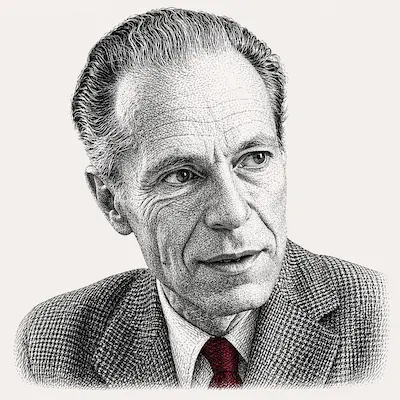 Albert O. Hirschman
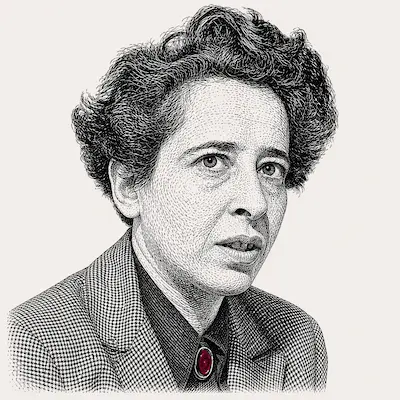 Hannah Arendt
Structural transformation
 Elinor Ostrom
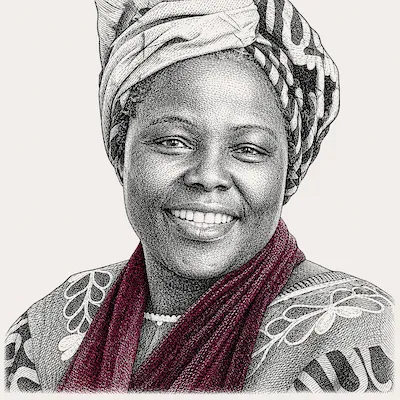 Wangari Maathai
Selected members
Albert O. Hirschman
Will argue: The Dutch Tax Authority became an organisation where internal voice was suppressed, external voice was ignored, and ethnic minorities were systematically denied exit options
The toeslagenaffaire is a classic case of institutional decay where bureaucratic "voice" mechanisms failed catastrophically
Hannah Arendt
Will argue: The toeslagenaffaire demonstrates how bureaucratic rule destroys the human capacity for judgment and moral responsibility, turning ordinary civil servants into instruments of systematic harm
The scandal exemplifies her concept of "rule by nobody", bureaucratic systems that eliminate personal accountability
Elinor Ostrom
Will argue: The Dutch system violated multiple institutional design principles, no effective monitoring of bureaucratic decisions, no graduated sanctions for errors, no mechanisms for affected communities to modify rules
The failure represents a breakdown of institutional design where monitoring, graduated sanctions, and accountability mechanisms were absent
Wangari Maathai
Will argue: The scandal reflects deeper patterns where bureaucratic systems designed for efficiency systematically exclude and harm the most vulnerable, requiring structural changes that center affected communities' voices
Her framework connects bureaucratic accountability to systematic exclusion of vulnerable populations, particularly relevant to the ethnic discrimination aspects
Considered but not selected
Franklin D. Roosevelt: His New Deal framework assumes state capacity building, but the Dutch case involves reforming existing bureaucracy rather than building new institutions - John Rawls, His procedural justice framework is relevant but too abstract for the specific bureaucratic accountability problems revealed by the scandal - Margaret Thatcher, While relevant to critiquing bureaucratic failure, her market-oriented solutions don't address the specific accountability mechanisms needed for essential social services