The Long Council
Who was selected, and why
Governments struggle to think beyond the next election, how to change that?
The central tension
Should governments build independent institutions that constrain short-term democratic impulses, or should they fix the incentives so that voters and politicians themselves choose long-term thinking?
The two poles
Constrain the short term through independent institutions
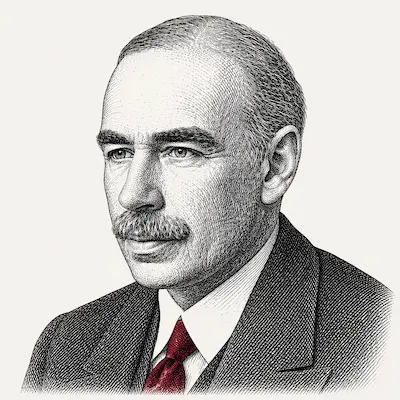 John Maynard Keynes
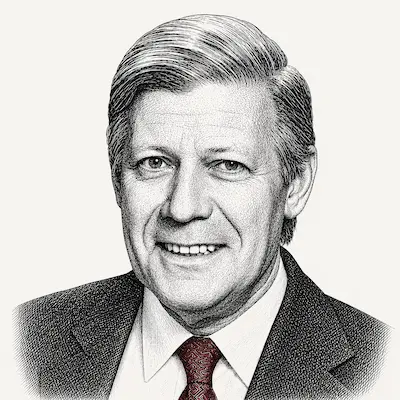 Helmut Schmidt
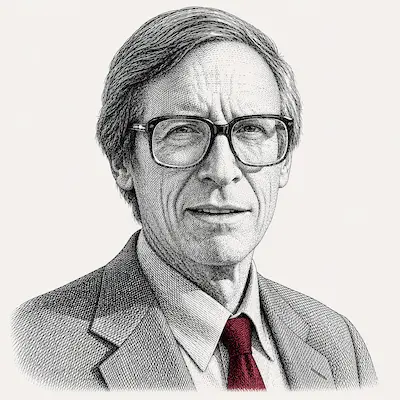 John Rawls
Fix incentives so democracy chooses long-term naturally
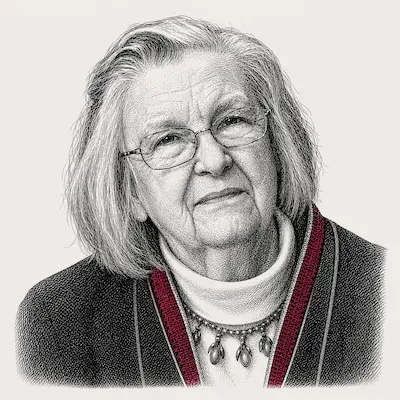 Elinor Ostrom
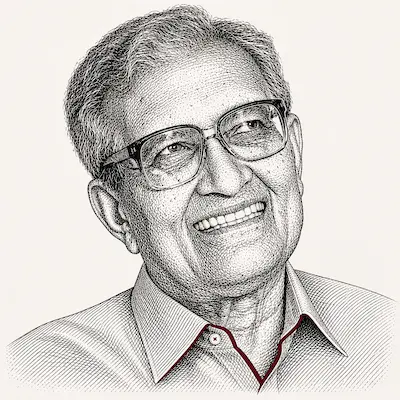 Amartya Sen
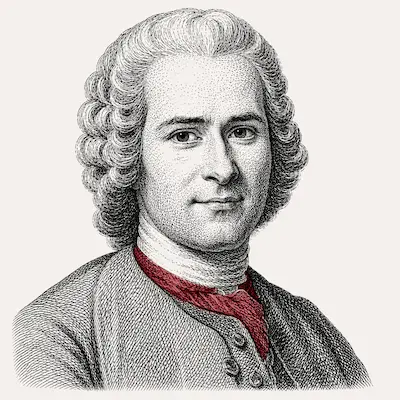 Jean-Jacques Rousseau
Selected members
John Maynard Keynes
Will argue: Markets and democratic governments both discount the long run because uncertainty is real, so independent institutions with long mandates are necessary to counteract structural short-termism.
His documented distinction between risk and genuine uncertainty is the foundational economic argument for why markets and governments systematically under-invest in the long run.
Helmut Schmidt
Will argue: Independent institutions with insulated mandates, central banks, constitutional fiscal rules, treaty commitments, are the only proven mechanism for locking governments into long horizons, and politicians who resist them are serving themselves, not their citizens.
He designed the European Monetary System and the G7 specifically to lock in long-term economic commitments against electoral pressure, and documented why this was necessary.
John Rawls
Will argue: From behind a veil of ignorance, rational persons would design institutions that protect long-term interests because they cannot know which generation they will inhabit, making intergenerational justice a requirement of the basic structure, not an optional add-on.
His difference principle and original position provide the most rigorous philosophical argument for why a just basic structure must protect the interests of future generations, not merely present majorities.
Elinor Ostrom
Will argue: The solution is not technocratic insulation from democracy but redesigning how democratic communities make and enforce rules, when people participate in writing the rules they live under, they accept longer time horizons than when rules are imposed from above.
Her documented design principles for durable common-pool institutions directly answer how communities solve exactly this problem at local and regional scale, through rules made by users, graduated sanctions, and nested governance that builds long-term commitment.
Amartya Sen
Will argue: The problem is not democracy itself but the impoverishment of democratic information, citizens and politicians cannot choose long-term when they lack the information to see long-term consequences, so the fix is better democratic information, not less democracy.
His documented argument that a free press prevents famine is the template for the broader claim that democratic accountability mechanisms, properly designed, force governments to register long-term failures before they become catastrophic.
Jean-Jacques Rousseau
Will argue: Electoral short-termism is the predictable result of institutions that aggregate private interests rather than cultivating the general will, the fix requires civic education and institutional design that makes citizens identify with the common good, not independent technocratic bodies that bypass citizens altogether.
His documented general will argument explains precisely why democratic majorities systematically choose private short-term interests over the common long-term good, and why this is a structural problem, not a moral failing.
Considered but not selected
Helmut Schmidt / Ibn Khaldun: Ibn Khaldun's dynastic cycle (luxury erodes asabiyya leading to decline) is a diagnostic framework for why successful states become short-sighted, but he offers no institutional remedy and his framework is monarchical rather than democratic. Excluded because Schmidt provides the practitioner case for independent institutions more directly and with documented policy outcomes.
Hannah Arendt: Her critique of bureaucratic "rule by nobody" and her argument that political participation is constitutive of freedom are relevant, but her framework warns against the technocratic insulation solution rather than providing a positive institutional design. Her presence would reinforce one pole without adding a new analytical register. Excluded in favour of Ostrom, who provides the positive institutional design that Arendt's critique calls for but does not supply.
Confucius: His argument that meritocratic officials with long moral cultivation are the primary governance instrument is relevant to the question of who makes long-term decisions, but his framework has no mechanism for democratic accountability and assumes virtuous rulers rather than designing for self-interested ones. Excluded because the question assumes democratic systems, which is a structural condition outside his framework.