The Long Council
Who was selected, and why
What are humanity's biggest mistakes in human nature, and how do they show up in the world we're living in now?
The central tension
Whether humanity's biggest mistakes stem from systematic overestimation of human virtue and rationality (requiring institutional constraints) or from systematic underestimation of human potential for cooperation and moral development (requiring institutional empowerment).
Selected members
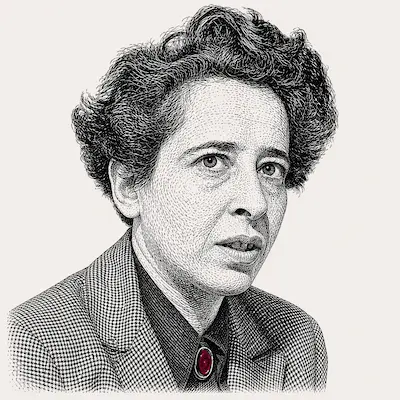
Hannah Arendt
Will argue: That the greatest mistake is assuming evil requires evil intent, most harm comes from people who suspend moral judgment in favour of role performance and bureaucratic compliance.
Her analysis of how ordinary people become complicit in systematic evil through "thoughtlessness" directly addresses misconceptions about human moral capacity.
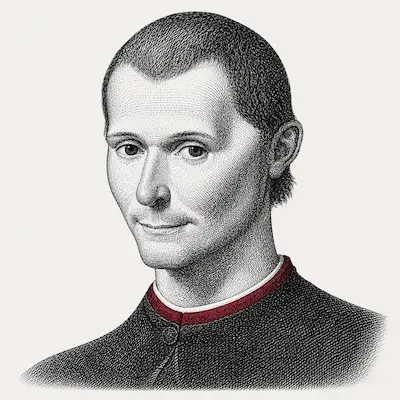
Niccolò Machiavelli
Will argue: That humanity's core mistake is designing institutions as if people are virtuous when they are primarily self-interested, good institutions produce good outcomes from flawed humans.
His systematic analysis of the gap between how people actually behave versus how they ought to behave provides the foundational framework for institutional design that accounts for human weakness.
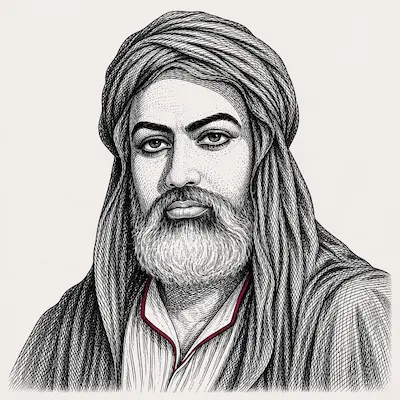
Ibn Khaldun
Will argue: That the fundamental error is believing prosperity and comfort strengthen societies when they actually weaken the bonds of solidarity and discipline that prosperity depends on.
His cyclical theory of civilisational rise and decline based on the erosion of group solidarity (asabiyya) addresses how prosperity systematically undermines the social cohesion that created it.
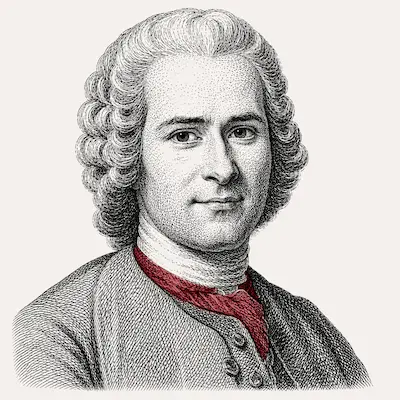
Jean-Jacques Rousseau
Will argue: That humanity's greatest mistake is accepting inequality and competitive institutions as natural when they are artificial corruptions of human cooperative potential.
His analysis of how social institutions corrupt natural human goodness provides the essential counterargument, that our mistakes stem from underestimating human potential rather than overestimating it.
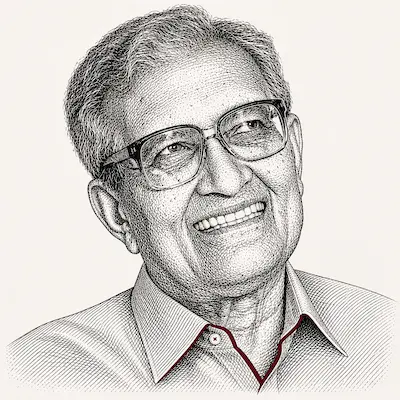
Amartya Sen
Will argue: That the contemporary mistake is reducing human nature to narrow economic rationality when humans are motivated by multiple values including dignity, agency, and social recognition.
His capability approach and critique of narrow economic rationality addresses contemporary mistakes in how we measure human development and design economic systems.
Considered but not selected
Milton Friedman: His framework assumes rational self-interest as sufficient for good outcomes, which may itself be one of the mistakes under examination - Confucius, His emphasis on virtue and moral cultivation is important but his framework is culturally specific rather than addressing universal human nature - John Rawls, His ideal theory approach assumes away many of the human nature problems this question directly addresses