The Long Council
Who was selected, and why
How can countries prevent a brain drain?
The central tension
Whether brain drain is primarily a symptom of poor economic conditions that market-based growth can solve, or a governance and institutional failure requiring state-led investment in human capital retention and democratic legitimacy.
Selected members
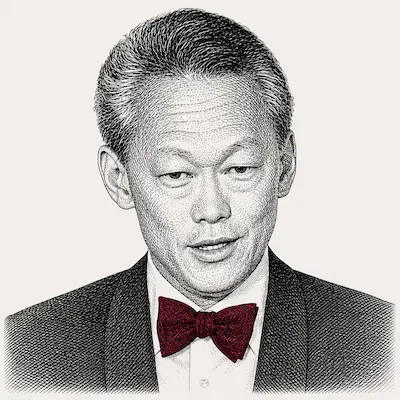
Lee Kuan Yew
Will argue: Brain drain is prevented through rapid economic development, meritocratic governance, and making the country an attractive place for educated citizens to build careers.
Singapore's transformation from a developing to developed economy required massive human capital investment and retention strategies under his leadership.
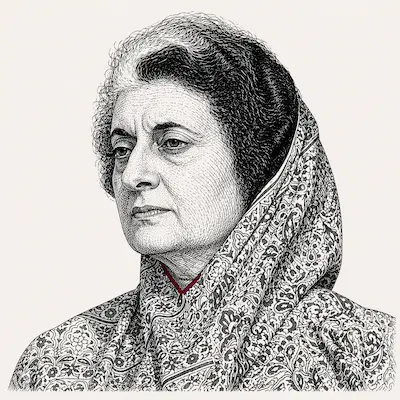
Indira Gandhi
Will argue: Countries must invest in advanced education and research institutions while accepting that some emigration is inevitable, focusing on building excellence that eventually attracts talent back.
India under her leadership experienced significant brain drain to the West, particularly of engineers and scientists, while she simultaneously built major educational institutions.
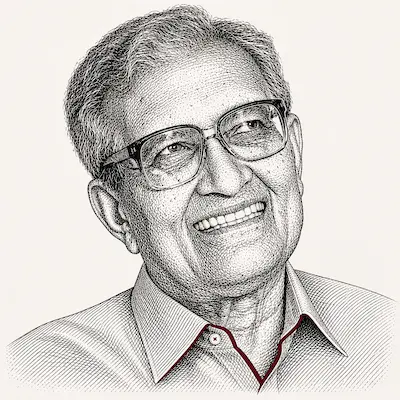
Amartya Sen
Will argue: Brain drain reflects the absence of substantive freedoms and opportunities; prevention requires building democratic institutions, healthcare, education, and economic opportunities that give people genuine choice.
His capability approach and work on development economics directly addresses why people migrate and what conditions enable human flourishing in their home countries.
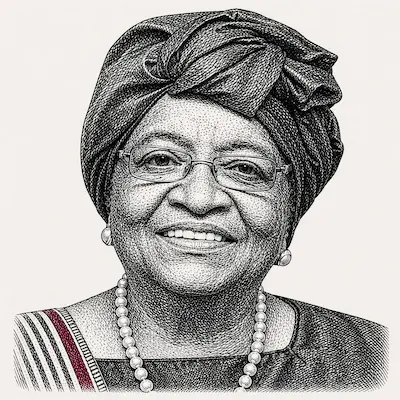
Ellen Johnson Sirleaf
Will argue: Post-conflict and fragile states must prioritize security, rule of law, and basic institutional capacity before they can retain educated populations, but diaspora engagement can be part of the solution.
Led post-conflict Liberia's efforts to rebuild institutions and attract back diaspora talent, including highly educated Liberians who had fled during the civil war.
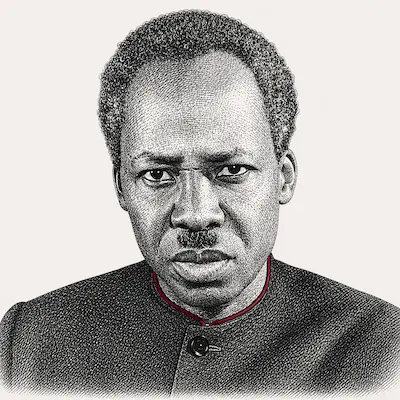
Julius Nyerere
Will argue: Brain drain reflects the structural dependency of African economies on commodity exports; prevention requires building an economy that can productively employ educated citizens, not just educate them.
Tanzania under his leadership invested heavily in education but struggled with brain drain as educated Tanzanians sought opportunities elsewhere; he also articulated a philosophy of African self-reliance.
Considered but not selected
Margaret Thatcher: Her framework is primarily about market liberalization rather than human capital development and retention strategies - Franklin D. Roosevelt, His institutional reforms were domestic rather than focused on international talent retention/attraction - Mahathir Mohamad, While relevant for development strategy, the selected members already cover the key tensions around state-led vs. market-led approaches