The Long Council
Who was selected, and why
Do you think Trump was a good president of the United States?
The central tension
[The conflict between evaluating a presidency by policy outcomes versus institutional norms and democratic governance standards]
Selected members
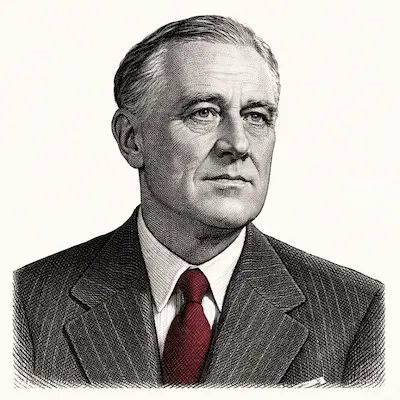
Franklin D. Roosevelt
Will argue: That effective presidential leadership requires building broad coalitions, maintaining institutional norms, and using crisis as an opportunity to strengthen rather than weaken democratic institutions.
As the most transformative democratic president of the 20th century, FDR provides the essential framework for evaluating presidential crisis management, coalition building, and the use of executive power within democratic constraints.
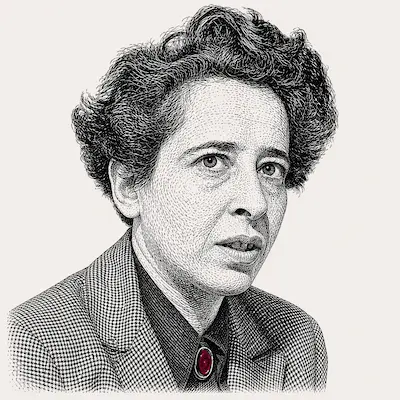
Hannah Arendt
Will argue: That the key test of any presidency is whether it strengthens or weakens the institutional and cultural foundations of democratic governance, regardless of policy preferences.
Her analysis of democratic erosion, the conditions that enable authoritarianism, and the relationship between truth and political power is essential for evaluating any presidency's impact on democratic institutions.
James Madison
Will argue: That presidential legitimacy depends on adherence to constitutional constraints and the maintenance of institutional balance, not merely electoral victory or policy achievement.
As the architect of the constitutional framework within which Trump governed, Madison's vision of checks and balances, separation of powers, and the dangers of faction is the foundational standard for evaluating presidential conduct.
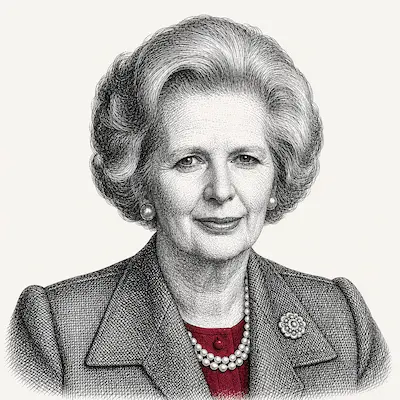
Margaret Thatcher
Will argue: That effective conservative governance requires intellectual coherence, institutional competence, and respect for democratic opposition, not merely anti-establishment rhetoric.
As a transformative conservative leader who reshaped her nation's political economy while maintaining democratic norms, she provides a framework for evaluating populist conservative governance.
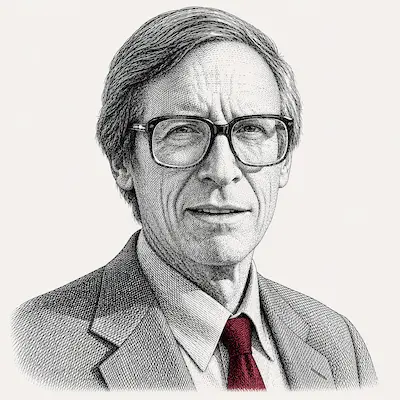
John Rawls
Will argue: That legitimate democratic leadership must be justifiable to all citizens through public reason, not merely to one's political base through partisan appeals.
His framework for political legitimacy in pluralist societies and the requirements of public reason provides essential criteria for evaluating how any leader justifies their actions to all citizens.
Considered but not selected
Abraham Lincoln: While his crisis leadership is relevant, his Civil War context is too exceptional to provide useful comparative framework for modern presidential evaluation - Nelson Mandela, His post-conflict reconciliation model, while instructive, addresses a different category of political challenge than routine democratic governance - Lee Kuan Yew, His authoritarian efficiency model would provide interesting contrast but represents explicitly anti-democratic governance philosophy