The Long Council
Who was selected, and why
How should prosperity be distributed among citizens?
The central tension
The core analytical conflict is between merit-based distribution (wealth should flow to those who create value, take risks, or possess capabilities) versus need-based distribution (wealth should be allocated to ensure basic dignity and opportunity for all, regardless of contribution).
Where they stand
Merit-based
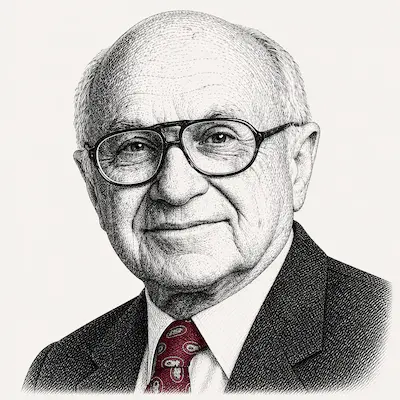 Milton Friedman
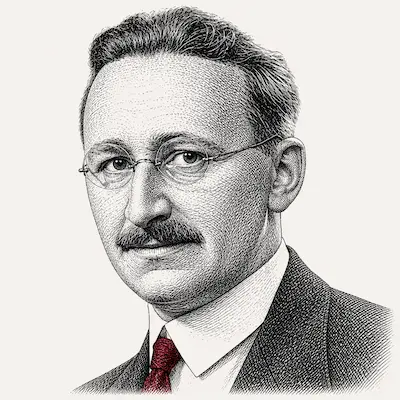 Friedrich Hayek
Need-based
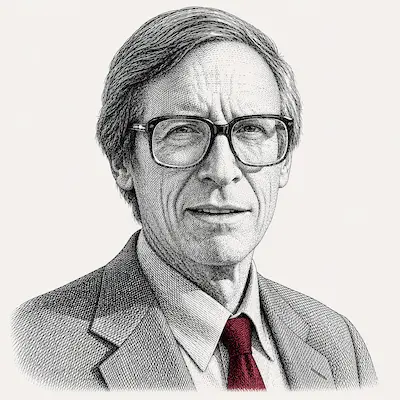 John Rawls
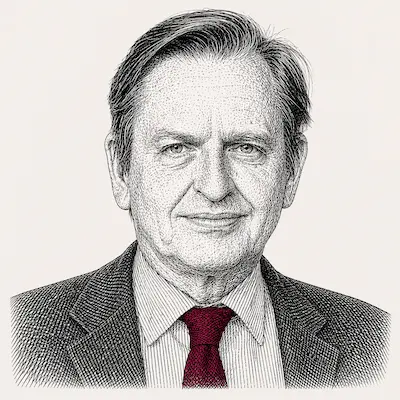 Olof Palme
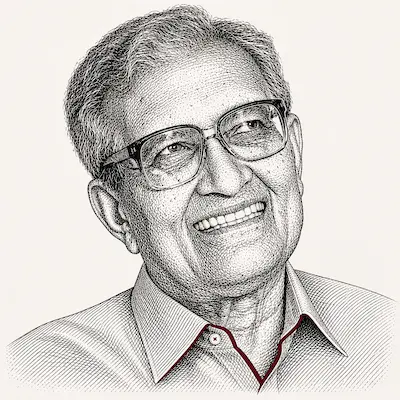 Amartya Sen
Mixed approach
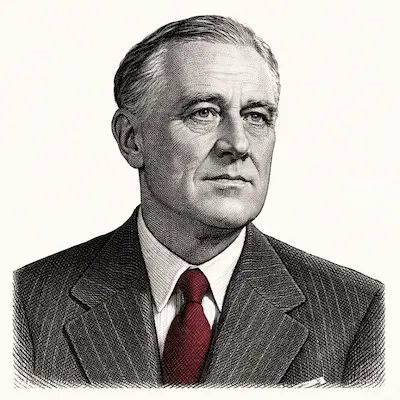 Franklin D. Roosevelt
Selected members
John Rawls
Will argue: That inequalities must pass the test of benefiting society's worst-off members, and that a fair distribution is what rational people would choose from behind a veil of ignorance
Rawls provides the most rigorous philosophical framework for thinking about distributive justice through his difference principle
Milton Friedman
Will argue: That market-determined distribution rewards contribution and efficiency, while government redistribution undermines both prosperity and freedom
Friedman offers the strongest intellectual case for market-determined distribution based on voluntary exchange and merit
Olof Palme
Will argue: That equality produces efficiency rather than trading against it, and that universal social insurance builds the institutional trust that makes economies productive
Palme implemented the most successful equality-promoting policies in modern democratic history through Swedish social democracy
Amartya Sen
Will argue: That distribution should focus on enabling capabilities and freedoms, and that severe inequality undermines both development and democracy
Sen's capability approach provides a framework for distribution based on what people can actually do and be, not just income
Franklin D. Roosevelt
Will argue: That some redistribution is necessary to save capitalism from its own excesses, and that social insurance creates stability rather than dependence
FDR created the institutional framework for redistribution in the world's largest economy through the New Deal
Friedrich Hayek
Will argue: That market outcomes reflect the coordination of dispersed knowledge and cannot be improved through central redistribution without destroying the information system that creates prosperity
Hayek provides the theoretical foundation for spontaneous order and the critique of planned redistribution
Considered but not selected
Kautilya: Focused on state capacity and revenue generation rather than distribution principles among citizens - Thatcher: Her framework is primarily about reducing state intervention rather than addressing distributive justice philosophically - Luxemburg: Her revolutionary framework assumes capitalist distribution is inherently exploitative, making reform-oriented discussion difficult