The Long Council
Who was selected, and why
Can Turkey become a secular society again after Erdogan's rule?
The central tension
The fundamental tension between top-down secular modernisation and democratic legitimacy when religious identity commands popular majority support.
Selected members
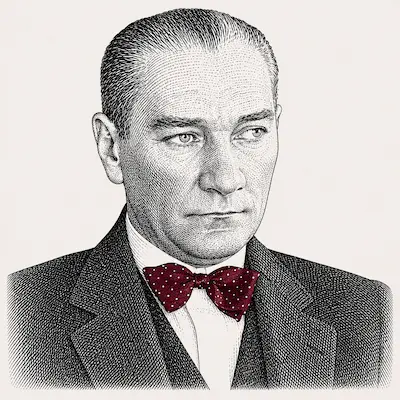
Mustafa Kemal Atatürk
Will argue: That radical secular transformation is possible but requires decisive leadership willing to break with existing structures completely, not gradually.
He is the architect of Turkish secular modernisation and the documented case study in rapid top-down transformation of a Muslim-majority society.
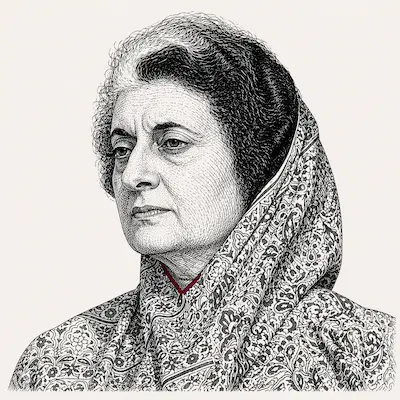
Indira Gandhi
Will argue: That secular governance in religious societies requires strong central authority but must maintain democratic legitimacy, emergency measures may be necessary but cannot be permanent.
She represents the alternative model of continental democracy managing religious-secular tensions while maintaining democratic legitimacy through electoral competition.
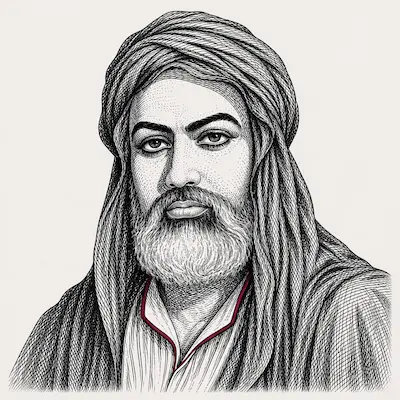
Ali ibn Abi Talib
Will argue: That legitimate Islamic governance does not require the instrumentalisation of religion by political parties, true Islamic principles support justice and accountability that can coexist with institutional separation.
He provides the Islamic governance perspective on the religion-state relationship and the legitimacy of religious authority in Muslim-majority societies.
Alexis de Tocqueville
Will argue: That the tyranny of the majority is the central democratic danger, and that constitutional protections for secular institutions require insulation from pure majority rule.
His analysis of how democratic societies manage religious influence and the relationship between popular sovereignty and minority rights applies directly to Turkey's current tensions.
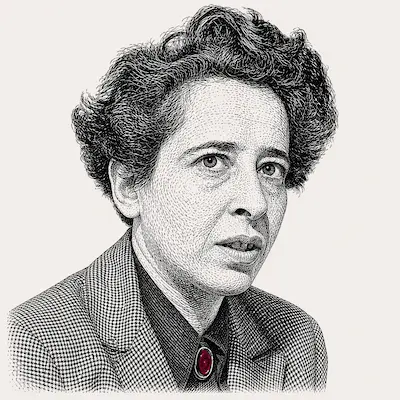
Hannah Arendt
Will argue: That the question is not just about secularism but about whether democratic institutions can be restored after systematic capture, this requires rebuilding the public sphere that authoritarian rule destroys.
Her analysis of how democratic institutions are captured and transformed by authoritarian movements speaks directly to the AKP's documented judicial appointments and media control.
Considered but not selected
John Rawls: His ideal theory framework is poorly suited to the non-ideal conditions of institutional capture and democratic backsliding in real time.
Franklin Roosevelt: His New Deal experience is not relevant to religious-secular governance tensions in a non-Western context.
Jawaharlal Nehru: While his secular state-building experience in India is relevant, Indira Gandhi provides the more direct case of managing religious-political tensions under democratic pressure.