The Long Council
Who was selected, and why
Does restricting student demonstrations strengthen or weaken state legitimacy?
The central tension
Does cracking down on student protest make the state stronger or does it reveal and accelerate the state's loss of authority?
Selected members
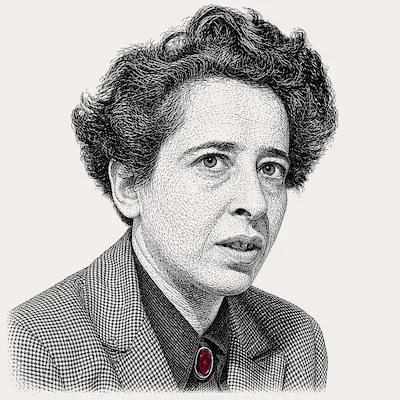
Hannah Arendt
Will argue: A government that bans protest and is then overruled has not strengthened order but publicly demonstrated it no longer commands genuine power.
Her power/violence distinction and "rule by nobody" concept speak directly to what a protest ban and its judicial reversal reveal about state authority.
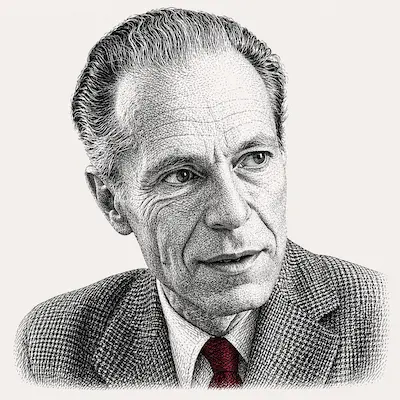
Albert O. Hirschman
Will argue: Banning protest suppresses voice without eliminating grievance, and the judicial reversal shows the state has made an irreversible reputational move it cannot walk back.
His exit/voice/loyalty framework maps precisely onto what happens when student protest is suppressed: voice is blocked, forcing exit or silence, neither of which serves institutional health.
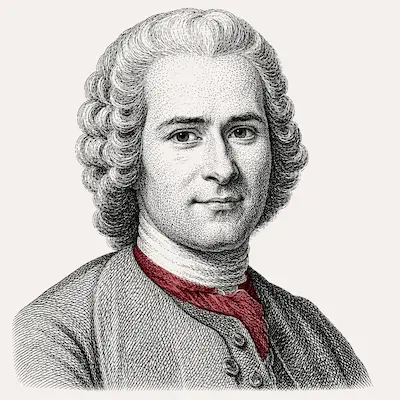
Jean-Jacques Rousseau
Will argue: A government that prohibits its citizens from assembling to express disagreement has severed the connection between ruler and general will, forfeiting the claim to obedience.
His general will framework and the claim that legitimacy rests on popular consent make student demonstration bans a direct test of whether a government still derives authority from the governed.
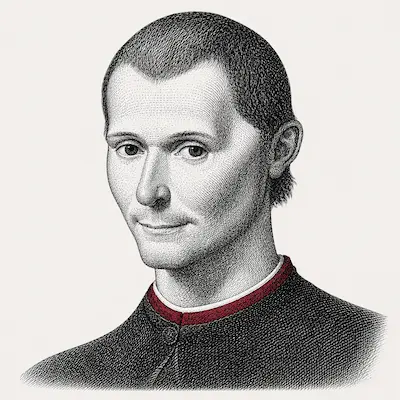
Niccolò Machiavelli
Will argue: The restriction was strategically defensible only if it held, a ban that is immediately overruled by a judge transforms a show of strength into an advertisement of weakness.
His realist analysis of when force or restriction is strategically justified, and when it backfires by exposing weakness, is directly applicable to the Macron ban and its judicial reversal.
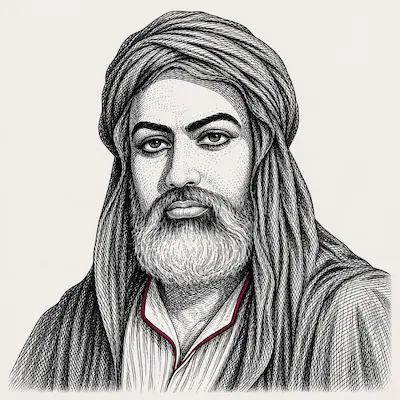
Ibn Khaldun
Will argue: A government with strong asabiyya has no need to ban protest; the fact of the ban, and its reversal, signals a ruling group that has lost the cohesion to govern through legitimacy and is falling back on force.
His framework of asabiyya and dynastic decline offers a structural reading of what protest bans signal about a ruling group's cohesion and its relationship with the population it governs.
Considered but not selected
John Locke: His natural rights framework and theory of legitimate government are relevant, but his specific contribution (consent grounds legitimacy; citizens may resist systematic violation of rights) would largely echo Rousseau's argument at this table without adding a distinct analytical register. Hirschman and Arendt cover the institutional and power-theory dimensions more precisely.
Amartya Sen: His "democracy as a universal value" argument and documented claim that public reasoning requires a free press and free assembly are directly relevant. Excluded because his contribution at this table would reinforce the voice/legitimacy pole without adding a distinct line of reasoning beyond what Arendt and Hirschman provide more sharply.
Eleanor Roosevelt: Her framework on the right to peaceful assembly as a documented human rights norm (UDHR Article 20) is relevant, but at this table she would introduce an international law register that shifts the question from legitimacy to legal compliance, a genuine but narrower framing than the council question warrants.