The Long Council
Who was selected, and why
May a country ban social media platforms?
The central tension
National sovereignty and security concerns versus principles of free expression, global connectivity, and open internet governance.
Selected members
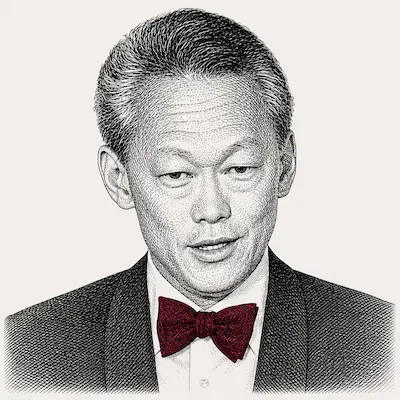
Lee Kuan Yew
Will argue: That states have both the right and obligation to restrict platforms that threaten national security or social cohesion, particularly when controlled by adversarial powers.
Singapore's documented approach to internet governance and restrictions on foreign media provides the clearest small-state framework for balancing sovereignty with connectivity.
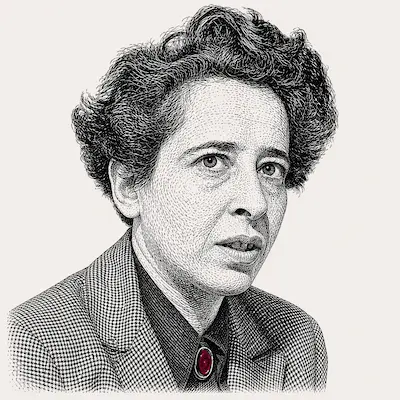
Hannah Arendt
Will argue: That banning platforms destroys the conditions for genuine political discourse and public deliberation that democracy requires, regardless of security justifications.
Her analysis of how information control and the destruction of public discourse enable authoritarian capture directly addresses the democratic implications of platform bans.
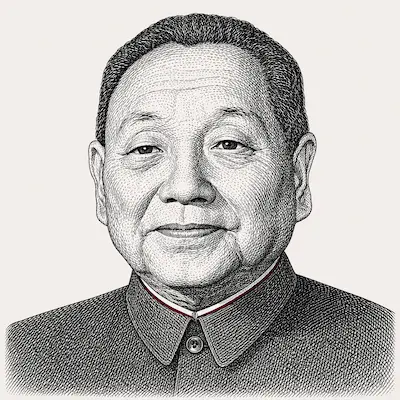
Deng Xiaoping
Will argue: That platform bans are legitimate tools of technological sovereignty, enabling countries to develop domestic alternatives while protecting against foreign information manipulation.
China's comprehensive social media restrictions and development of domestic alternatives represents the most systematic implementation of platform sovereignty.
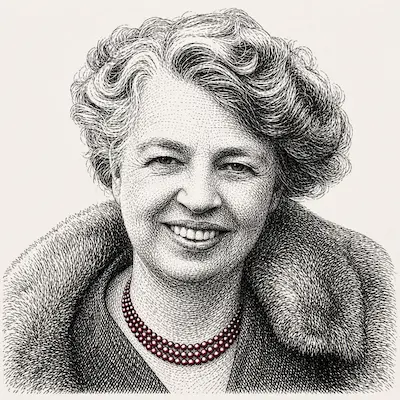
Eleanor Roosevelt
Will argue: That platform bans violate fundamental human rights to seek, receive and impart information, and that such restrictions require international oversight.
Her work on the UDHR's Article 19 (freedom of expression) and international institutions provides the human rights framework for evaluating platform restrictions.
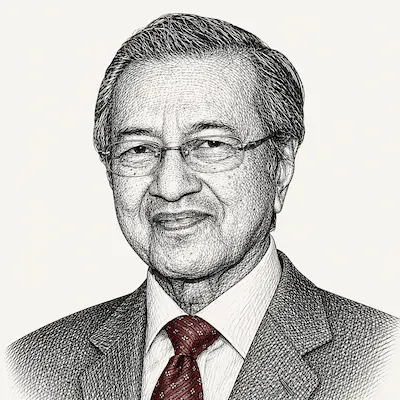
Mahathir Mohamad
Will argue: That developing countries must assert control over information platforms to prevent digital colonialism and protect against culturally destructive foreign influence.
Malaysia's selective platform restrictions and his documented opposition to Western technological dominance provides the developing country perspective on digital sovereignty.
Considered but not selected
John Stuart Mill: His harm principle is relevant but his 19th-century framework predates the specific challenges of algorithmic platforms and foreign-controlled information infrastructure. - Franklin D. Roosevelt, While he dealt with media during wartime, his framework focuses on traditional mass media rather than interactive platforms with foreign ownership concerns. - Indira Gandhi, The Emergency's press censorship is relevant but represents authoritarian overreach rather than the security-sovereignty tension at issue here.