The Long Council
Who was selected, and why
What political system best serves its people and the planet, and how should it account for externalities?
The central tension
The fundamental conflict between democratic responsiveness to immediate citizen preferences versus long-term planetary sustainability that may require limiting present consumption and autonomous decision-making.
Selected members
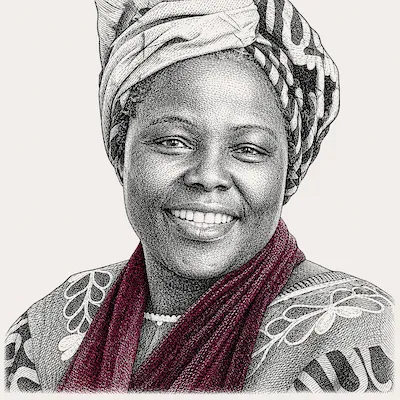
Wangari Maathai
Will argue: That democratic participation is the precondition for environmental protection because communities will only protect what they govern; environmental degradation and authoritarianism are mutually reinforcing
The only member who developed an integrated framework linking environmental governance, democratic accountability, and social justice as inseparable requirements
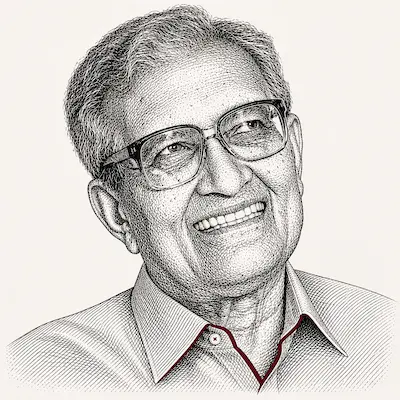
Amartya Sen
Will argue: That democracy and environmental sustainability are mutually reinforcing because democratic accountability improves policy quality and environmental degradation undermines human capabilities
Provides the capability approach framework for measuring whether a political system truly serves its people beyond GDP metrics
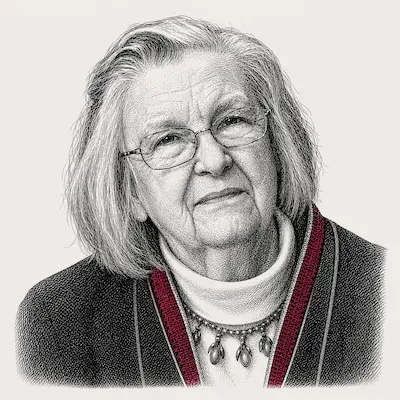
Elinor Ostrom
Will argue: That polycentric governance systems with multiple overlapping authorities are better equipped to manage environmental externalities than either pure markets or centralized state control
The essential voice on how political systems can govern environmental commons and externalities through polycentric rather than centralized approaches
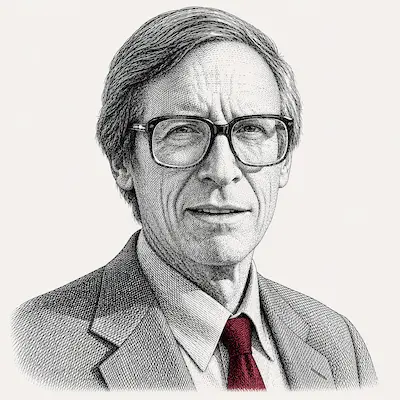
John Rawls
Will argue: That a just political system must consider environmental costs as questions of fairness both within and between generations
Provides the normative framework for evaluating what political system is just, including intergenerational justice and global environmental equity
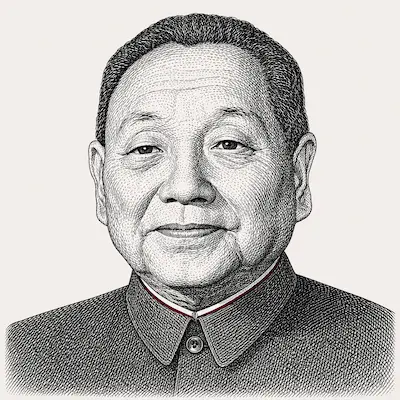
Deng Xiaoping
Will argue: That strong state capacity and long-term planning can better internalize environmental costs than democratic systems subject to electoral cycles and immediate citizen preferences
Represents the authoritarian development model that prioritizes economic growth and state capacity over democratic participation
Considered but not selected
Margaret Thatcher: Too narrowly focused on market mechanisms without systematic environmental framework - Franklin D. Roosevelt, His New Deal addressed economic externalities but not environmental ones; the environmental challenge is structurally different - Confucius, His framework lacks engagement with environmental questions and democratic participation