The Long Council
Who was selected, and why
How can we adapt our democracy so that the interests of future generations are taken into account?
The central tension
The fundamental conflict between democratic responsiveness to current voters and the obligation to protect the welfare of people who cannot yet vote (future generations).
Selected members
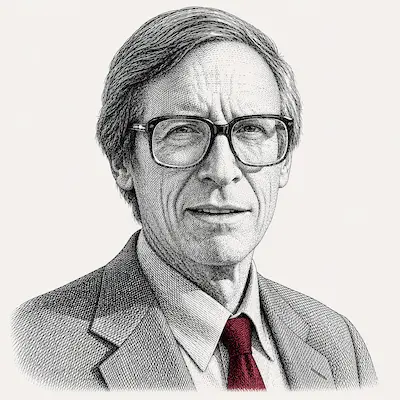
John Rawls
Will argue: That democratic institutions should be designed from behind a veil of ignorance where decision-makers don't know which generation they belong to, ensuring fair consideration of future interests.
His veil of ignorance framework provides the most rigorous philosophical tool for institutional design that considers the interests of those not present at the decision-making table.
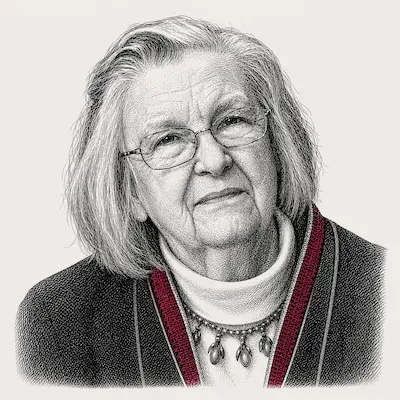
Elinor Ostrom
Will argue: That polycentric governance with nested institutions at multiple scales, combined with monitoring mechanisms and graduated sanctions, can create accountability to future generations.
Her commons framework directly addresses long-term resource governance and the institutional conditions under which communities successfully manage shared resources across generations.
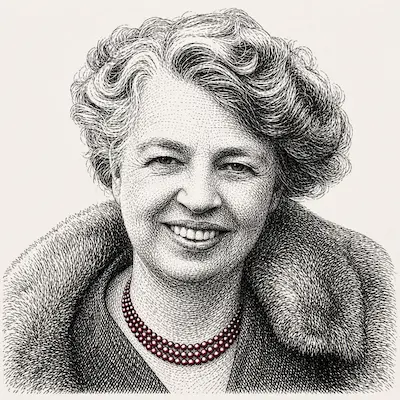
Eleanor Roosevelt
Will argue: That human rights frameworks must be extended to include future generations' rights, requiring new institutional mechanisms to represent their interests.
Her work on human rights provides the normative framework for why future generations have claims on present decisions, and her institutional design experience offers practical insights.
Edmund Burke
Will argue: That democracy must be tempered by recognition of our obligations to past and future, that present majorities cannot legitimately mortgage the inheritance of future generations.
His conception of society as a partnership between the living, the dead, and the yet unborn provides the foundational conservative argument for intergenerational responsibility in governance.
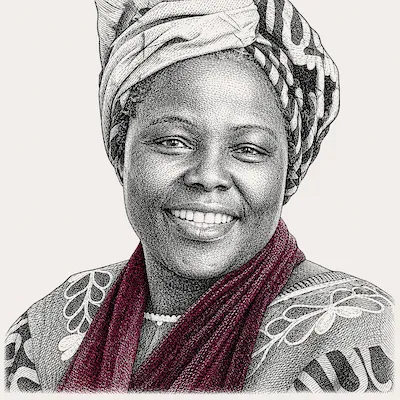
Wangari Maathai
Will argue: That environmental democracy requires institutional mechanisms that make present decision-makers accountable to future generations' resource needs and ecological inheritance.
Her framework explicitly connects present environmental governance decisions to long-term sustainability and future generations' welfare, with documented practical experience.
Considered but not selected
Hannah Arendt: Her work on the human condition addresses natality and the future, but lacks specific institutional design recommendations for intergenerational representation. - Confucius: His framework emphasises long-term thinking and institutional continuity, but operates in a non-democratic context that doesn't translate directly to the democratic representation problem. - Ibn Khaldun: His dynastic cycle theory addresses long-term governance patterns but doesn't provide mechanisms for democratic accountability to future generations.