The Long Council
Who was selected, and why
Should governments publicly acknowledge climate science?
The central tension
Scientific truth and moral obligation versus political pragmatism and competing priorities in democratic governance.
Selected members
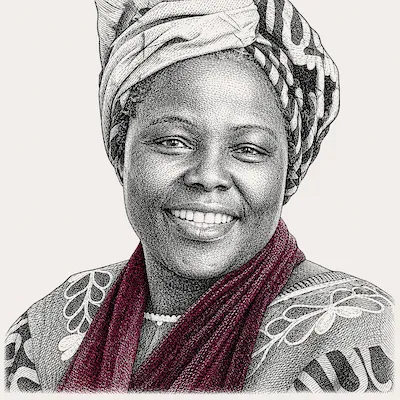
Wangari Maathai
Will argue: Democratic accountability requires acknowledging ecological reality; governments that deny environmental science are failing their fundamental obligation to protect citizens' living conditions
The only council member with a fully integrated environmental-democratic framework who directly confronted government denial of ecological reality
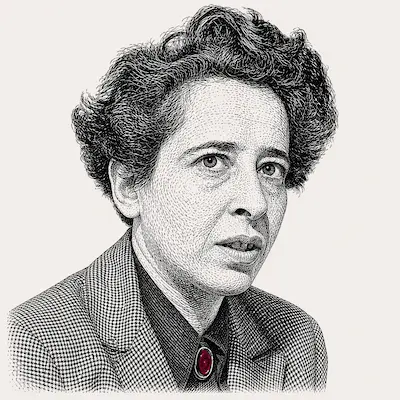
Hannah Arendt
Will argue: Systematic denial of factual truth destroys the common world that politics requires; climate denial represents the kind of reality-rejection that makes democratic deliberation impossible
Her framework on truth, politics, and the conditions for democratic legitimacy directly addresses when governments can legitimately deny factual reality
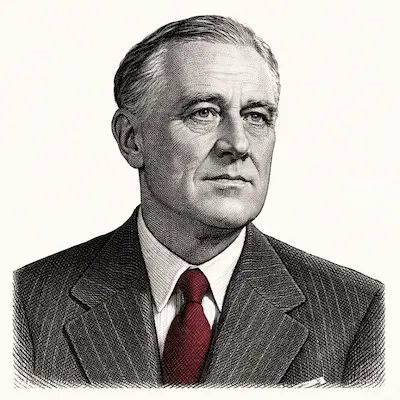
Franklin D. Roosevelt
Will argue: Democratic leaders must educate the public about difficult realities and build coalitions for necessary action, even when the truth is politically inconvenient
Documented experience of acknowledging unpopular scientific/technical realities and building political support for action based on expert analysis
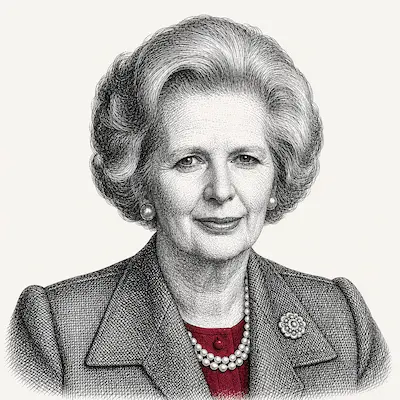
Margaret Thatcher
Will argue: Governments can acknowledge climate science while maintaining that market mechanisms are the appropriate response; scientific acknowledgment doesn't predetermine policy solutions
Documented early acknowledgment of climate science (1988 speech to Royal Society) while simultaneously governing from free-market principles that complicate climate action

Confucius
Will argue: A government that cannot name reality accurately has forfeited moral authority; climate denial violates the basic requirement that rulers speak truthfully about the conditions they govern
The rectification of names as the foundation of legitimate governance, calling things what they are as the first requirement of honest authority
Considered but not selected
Friedman: Relevant to market-based climate solutions but not to the acknowledgment question specifically - Keynes: Relevant to crisis management but climate science acknowledgment is not primarily an economic question - Deng Xiaoping: Documented pragmatism would be relevant but his framework lacks environmental dimensions