The Long Council
Who was selected, and why
What purpose should a government or society organize itself around?
The central tension
Whether government should focus on enabling individual freedom and prosperity versus ensuring collective welfare and equality, with fundamental disagreement over whether these goals complement or conflict with each other.
Selected members
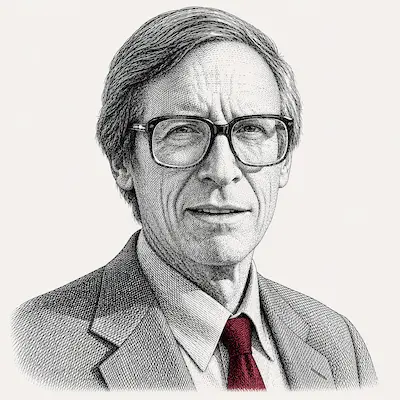
John Rawls
Will argue: Society should be organized to benefit the least advantaged members, with equal basic liberties as the foundation
Provides the most systematic framework for thinking about just social organization through the veil of ignorance thought experiment
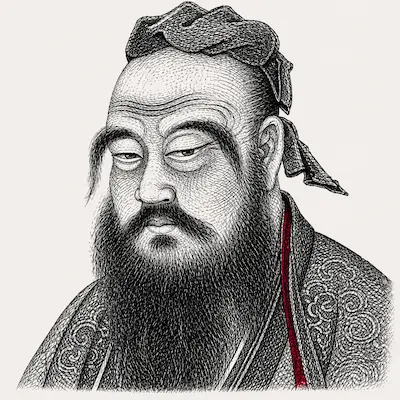
Confucius
Will argue: Government should promote social harmony through moral example, meritocracy, and the cultivation of virtue in both rulers and citizens
Represents the tradition that government's purpose is cultivating virtue and harmony through moral leadership and proper relationships
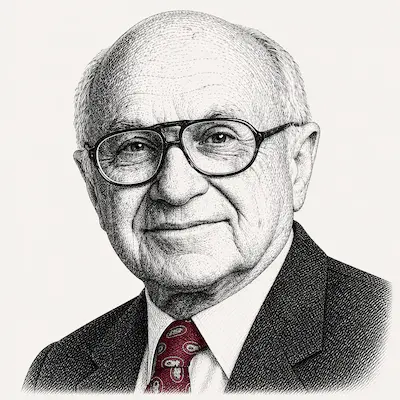
Milton Friedman
Will argue: Government should be limited to protecting property rights and maintaining competitive markets, as economic and political freedom are inseparable
Articulates the strongest case that government's purpose is to preserve individual freedom, primarily through protecting market mechanisms
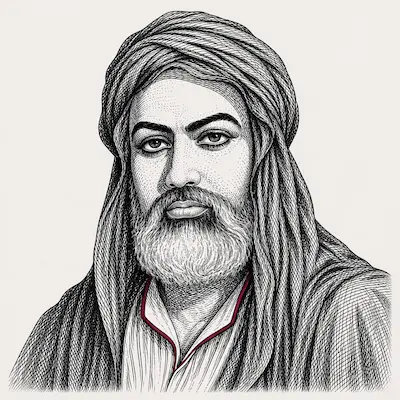
Ali ibn Abi Talib
Will argue: Government exists primarily to ensure justice and the welfare of all subjects, with particular attention to protecting the poor and vulnerable
Provides the Islamic governance tradition emphasizing justice and welfare as the state's fundamental obligations
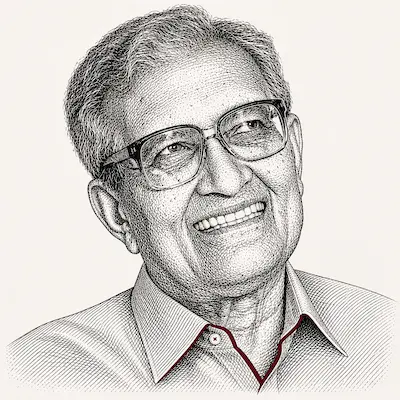
Amartya Sen
Will argue: Society should organize around expanding people's real freedoms and capabilities to live lives they have reason to value
Offers the capability approach as an alternative to both utilitarian and rights-based frameworks for organizing society
Considered but not selected
Hannah Arendt: Excluded because her focus on power and political action, while important, doesn't directly address the fundamental purpose question as systematically as the selected members - Rosa Luxemburg: Excluded as her revolutionary framework assumes the answer (overthrowing capitalism) rather than deliberating on governmental purpose within existing frameworks - Kautilya: Excluded because while his administrative framework is sophisticated, it assumes the purpose (state strength and welfare) rather than arguing for it