The Long Council
Who was selected, and why
What actions must be taken today to ensure the future of next generations?
The central tension
Whether future generations' welfare requires fundamental structural transformation (sustainability, equality, democratic institutions) versus whether incremental policy improvements within existing systems are sufficient.
Selected members
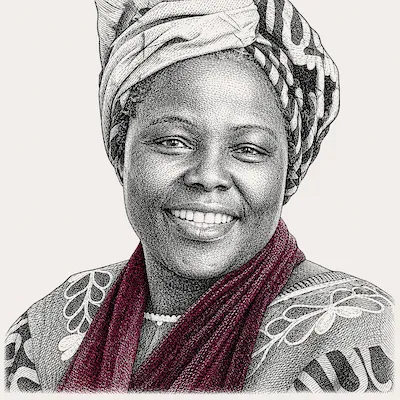
Wangari Maathai
Will argue: Environmental degradation is fundamentally a governance failure; future generations require both ecological recovery and democratic institutions that can protect resources from elite capture
Her framework directly addresses intergenerational responsibility through environmental stewardship and democratic accountability
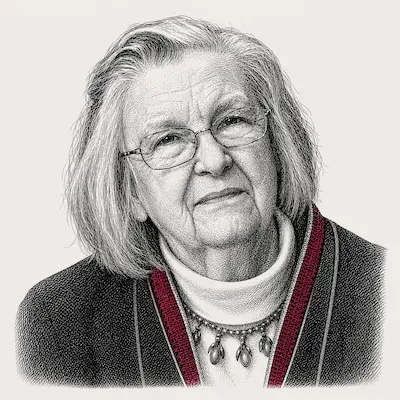
Elinor Ostrom
Will argue: Future generations need governance institutions designed for long-term stewardship; current institutions often optimize for short-term extraction rather than sustainable management
Her commons governance framework addresses the specific challenge of managing shared resources across time horizons
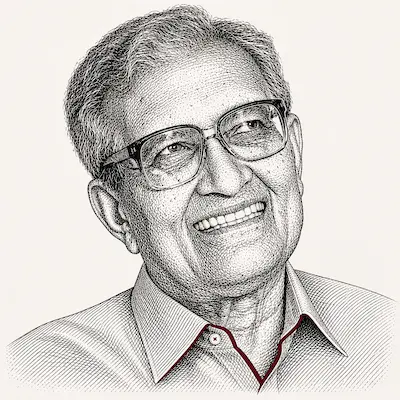
Amartya Sen
Will argue: Future generations need expanded capabilities (health, education, political participation) not just wealth; current development models may increase GDP while reducing actual human capabilities
His capability approach provides the most rigorous framework for what we owe future generations beyond economic growth
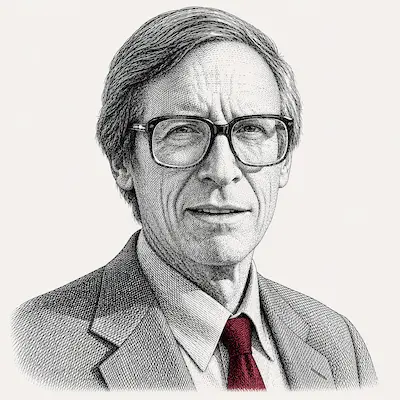
John Rawls
Will argue: Justice requires institutions that treat future generations' interests as seriously as present ones; current arrangements that sacrifice long-term welfare for short-term gain violate principles rational persons would choose
His theory of justice addresses intergenerational equity through the "just savings principle" and veil of ignorance applied across time
Hans Jonas
His "imperative of responsibility" specifically addresses technological civilization's obligations to future generations
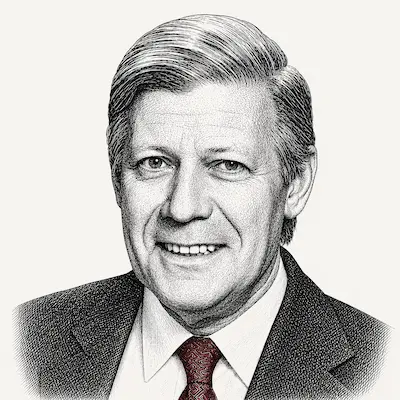
Helmut Schmidt
Will argue: Future generations require energy security, fiscal responsibility, and institutions that can make unpopular but necessary decisions; governance must imagine scenarios worse than the present
His governance experience with energy security, fiscal discipline, and institutional thinking provides practical perspective on long-term policy
Considered but not selected
Franklin D. Roosevelt: His framework addresses crisis response rather than long-term institutional design, and his documented failures on environmental conservation (no long-term resource planning) limit relevance Margaret Thatcher, Her framework explicitly prioritizes market mechanisms over intergenerational planning, and her documented opposition to environmental regulation conflicts with the core requirements for future generations Ibn Khaldun, His cyclical theory offers insights about institutional decay but doesn't address the unprecedented technological and environmental challenges facing future generations