The Long Council
Who was selected, and why
Should we have a flying miles system where every citizen of the EU gets a free amount of miles they can travel by plane each year. If they are out of miles they can buy from other eu members that are not using them in an open marketplace. This will ensure there is a redistribution of wealth. People with less money can sell their miles for a fun holiday by car while the rich can fly far away.
The central tension
Whether market mechanisms can effectively redistribute both environmental costs and economic resources while maintaining individual choice and political legitimacy.
Selected members
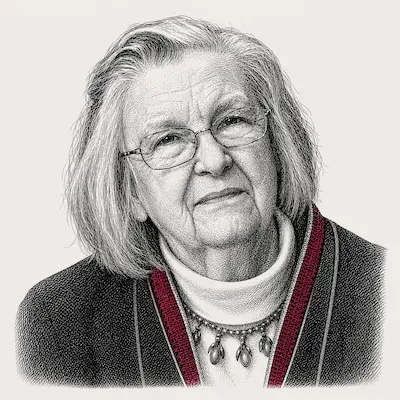
Elinor Ostrom
Will argue: Success depends on clear boundaries, monitoring mechanisms, graduated sanctions, and stakeholder buy-in to the rule-making process
Her commons governance framework directly addresses tradeable quota systems and the conditions under which they succeed or fail
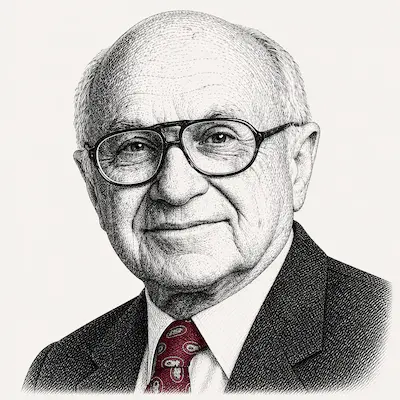
Milton Friedman
Will argue: The system could work efficiently but warns about implementation complexity, enforcement costs, and potential for regulatory capture
As the architect of market-based solutions to social problems, he would analyze the efficiency and unintended consequences of this tradeable permit system
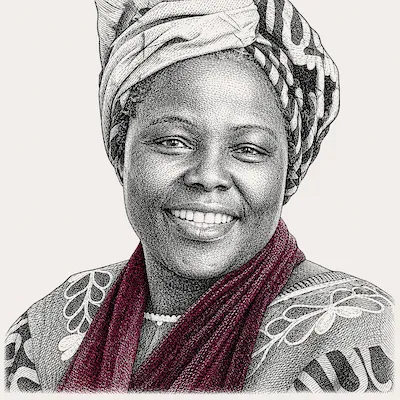
Wangari Maathai
Will argue: The system risks reproducing existing inequalities unless designed with explicit attention to who benefits and who bears costs
Her integrated framework on environmental justice, democratic participation, and the gendered/class dimensions of environmental policy directly applies
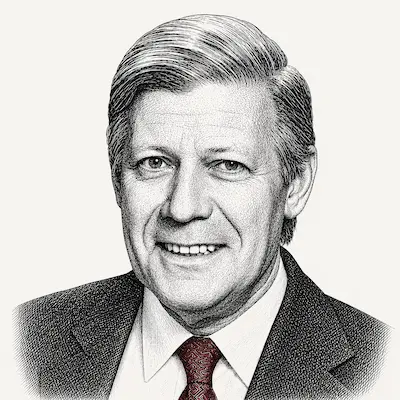
Helmut Schmidt
Will argue: Political feasibility requires addressing sovereignty concerns and ensuring the system doesn't advantage some member states over others
His experience with energy policy, European integration, and managing competing national interests within EU frameworks is directly applicable
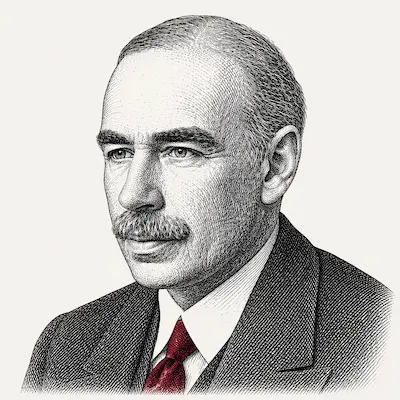
John Maynard Keynes
Will argue: Markets require institutional frameworks to function properly; this system needs careful design of the trading mechanism and enforcement apparatus
His framework on managing uncertainty, market failures, and the role of institutions in correcting market outcomes applies to this hybrid market-regulatory system
Considered but not selected
Thatcher: Her market liberalism is already represented by Friedman with greater technical depth - Hayek: His spontaneous order framework less relevant than Friedman's specific work on price mechanisms - Deng Xiaoping: His framework is state-directed rather than market-based, less applicable to this EU democratic context