The Long Council
Who was selected, and why
How can we structure Dutch democracy so that it works less divisively?
The central tension
Whether polarisation requires institutional design changes (electoral systems, media regulation, deliberative mechanisms) or deeper cultural and economic interventions addressing the underlying sources of division.
Selected members
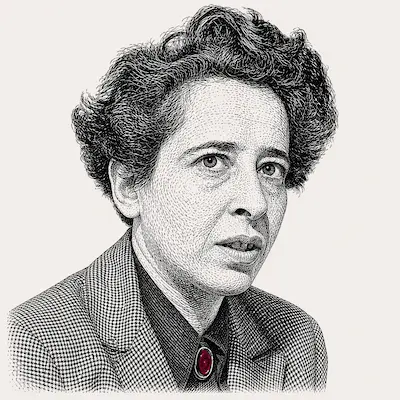
Hannah Arendt
Will argue: That polarisation reflects the collapse of a genuine public realm where citizens can encounter different perspectives; institutional fixes are insufficient without rebuilding the conditions for shared political reality.
Her framework on the erosion of public space and the conditions that enable democratic deliberation directly addresses polarisation as a crisis of political community.
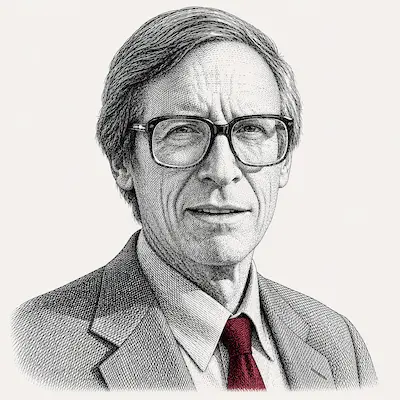
John Rawls
Will argue: That political institutions must be designed around principles all citizens can accept regardless of their deeper moral commitments; constitutional design and deliberative procedures can manage pluralism constructively.
His framework of political liberalism and public reason provides the most systematic approach to democratic legitimacy in pluralist societies, directly relevant to managing deep disagreement.
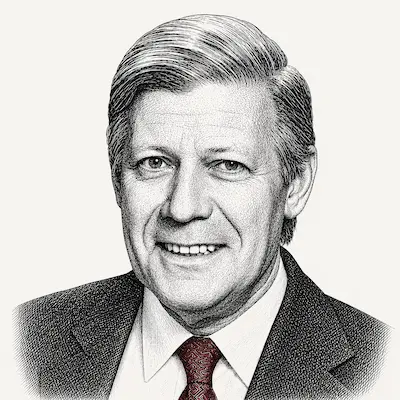
Helmut Schmidt
Will argue: That effective governance requires leaders willing to act against their own party when necessary; polarisation is managed through institutional discipline and the willingness to prioritise function over popularity.
His experience governing through polarised conditions (1970s Germany with terrorism, economic crisis, and coalition fragility) while maintaining institutional stability and pragmatic policy-making.
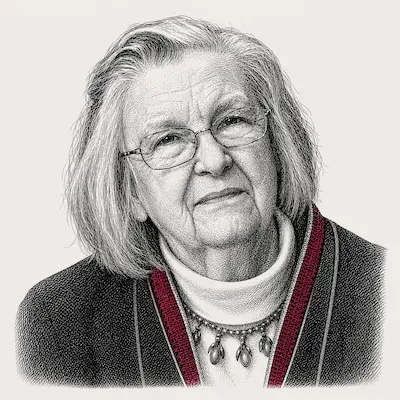
Elinor Ostrom
Will argue: That polarisation can be reduced through institutional designs that allow different groups to govern themselves on issues where they disagree while cooperating on areas of shared concern.
Her work on polycentric governance and collective action provides frameworks for institutional design that can accommodate diverse interests without requiring consensus on fundamental values.
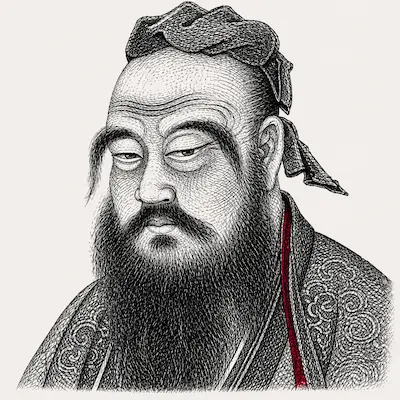
Confucius
Will argue: That polarisation reflects the breakdown of shared meaning and trust; political leaders must demonstrate integrity and truthfulness to restore the social cohesion that democratic deliberation requires.
His framework on the rectification of names and the relationship between moral leadership and institutional legitimacy addresses how societies rebuild trust when political language has become corrupted.
Considered but not selected
Rousseau: His general will framework could justify majority tyranny rather than addressing how to manage persistent disagreement - Margaret Thatcher: While experienced in polarised politics, her approach was to win rather than to depolarise - Lee Kuan Yew: His framework explicitly rejects competitive democracy as destabilising rather than seeking to improve it