The Long Council
Who was selected, and why
Can one man dominate a democracy for thirty years and still serve it?
The central tension
Does long one-man dominance protect a nation or hollow out the democracy meant to check him?
The two poles
Dominance can serve the state
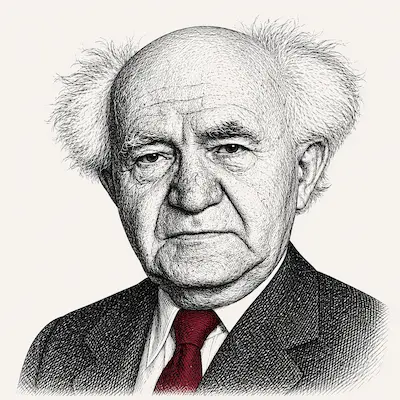 David Ben-Gurion
Long dominance corrupts and must end
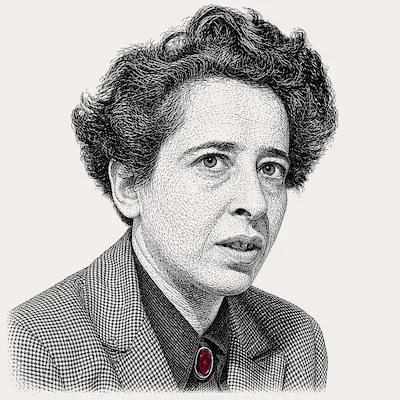 Hannah Arendt
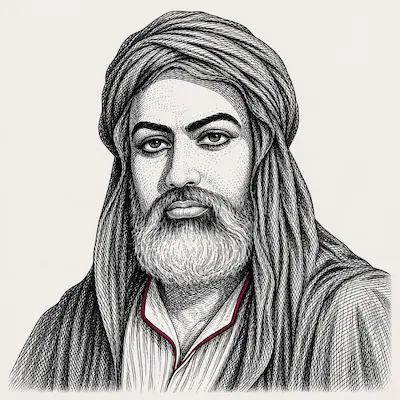 Ibn Khaldun
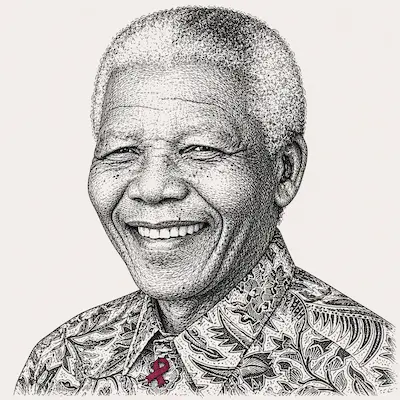 Nelson Mandela
Selected members
Hannah Arendt
Will argue: Thirty years of dominance plus an active corruption trial suggests Netanyahu is governing through institutional entrenchment, not genuine authority.
She is the sharpest documented analyst of how legitimate power decays into rule sustained by force and bureaucratic self-protection rather than consent.
David Ben-Gurion
Will argue: In a state facing existential threat, continuity of a proven security leader can be a legitimate stabilising asset, not mere self-interest.
He is the council's direct case study of Israeli state-building under existential threat and the use of security primacy to justify concentrated authority.
Ibn Khaldun
Will argue: Thirty years in power, scandal, and war fatigue are classic documented symptoms of a ruler's asabiyya running out, not signs of continued fitness to govern.
His dynastic cycle theory and concept of asabiyya directly address what happens when a ruler's long tenure erodes the cohesion that once sustained it.
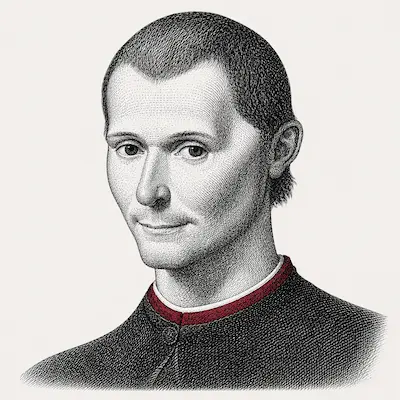
Niccolò Machiavelli
Will argue: Survival through scandal shows tactical skill, but Machiavelli's own Discourses warn that a republic which cannot replace its leaders is already weakened.
His framework on new orders, the use of appearance versus substance, and whether a leader's survival skill still serves the state is directly on point.
Nelson Mandela
Will argue: A leader who cannot let go after three decades has put personal survival ahead of the democratic institutions he claims to serve.
His documented single-term decision and argument that leaders must cultivate their own obsolescence is a direct, practiced counter-model to 19 years in power.