The Long Council
Who was selected, and why
Can one man dominate a democracy for thirty years and still serve it?
The central tension
Does long one-man rule protect a nation under constant threat, or does it hollow out the democracy it claims to defend?
The two poles
Security-first continuity
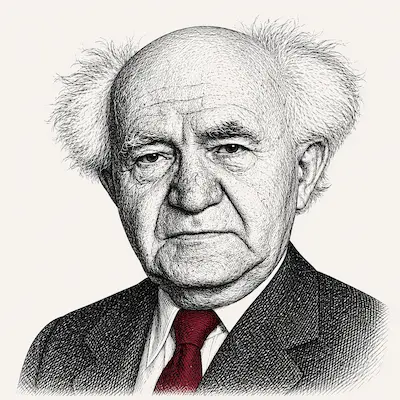 David Ben-Gurion
Democratic renewal and accountability
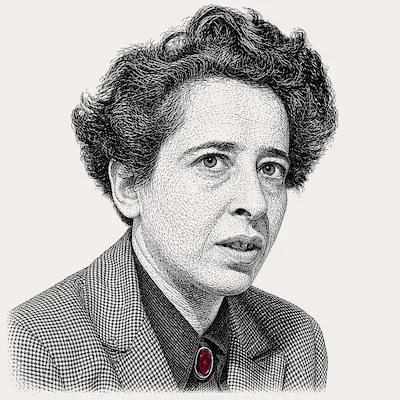 Hannah Arendt
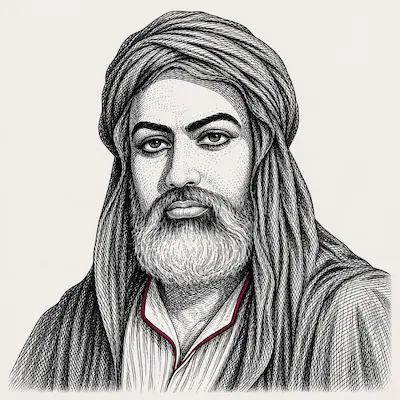 Ibn KhaldunIbn Khaldun
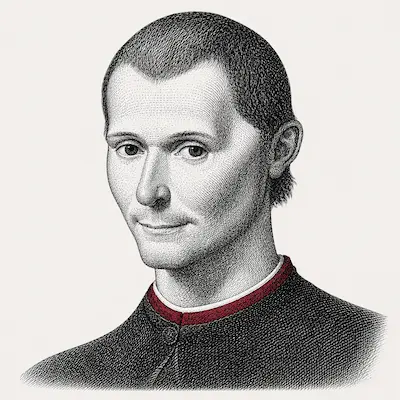 Niccolò Machiavelli
so the split is more textured than the count alone suggests.
Selected members
Hannah Arendt
Will argue: Thirty years of dominance by one man, regardless of elections, erodes the collective action that makes power legitimate rather than coercive.
She is the council's sharpest analyst of how legitimate power decays into bureaucratic rule and personal domination over decades.
Ibn Khaldun
Will argue: Long single-leader dominance eventually erodes the internal cohesion and accountability that sustained it, regardless of formal democratic trappings.
His asabiyya and dynastic cycle theory directly addresses what happens to group cohesion and legitimacy when one ruler's tenure stretches across generations.
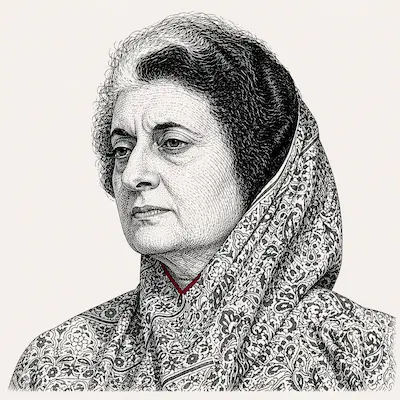
Indira Gandhi
Will argue: Prolonged personal dominance in a democracy under real external threat tempts leaders toward self-serving centralization that democratic correction alone can only partially repair.
She is the council's sharpest lived case of an elected leader who centralized power for years, suspended democracy, then was removed and returned by the electorate.
David Ben-Gurion
Will argue: A state facing continuous existential threat may require durable, experienced leadership even at some cost to normal democratic rotation.
As founding leader of a small state under sustained existential threat, he is the strongest documented voice for why security-first continuity can be a legitimate governing logic.
Niccolò Machiavelli
Will argue: A leader who has ruled this long has likely substituted the appearance of necessity for genuine necessity, and republics that cannot correct this will eventually fail.
He provides the sharpest analytical framework for distinguishing the appearance of legitimate rule from its substance over a long tenure.
Considered but not selected
Jean-Jacques Rousseau: his general will framework is relevant to legitimacy questions generally, but Israel's parliamentary coalition politics and corruption allegations are not best illuminated by his small-republic framework, and Arendt and Ibn Khaldun already cover the legitimacy-decay territory more precisely. Eleanor Roosevelt, her institutional human rights framework has little documented purchase on the specific question of executive tenure and democratic erosion from within an established democracy. Lee Kuan Yew, his small-state, security-first governance model is relevant but Ben-Gurion already occupies this pole with directly applicable Israeli-adjacent reasoning, and adding LKY would crowd that side without adding a distinct line of argument.