The Long Council
Who was selected, and why
How should the current political crisis in Turkey, involving the appointment of a trustee to the CHP and the conflict between Erdoğan and Kılıçdaroğlu, be evaluated in light of Atatürk's warning about "negligence, betrayal, and delusion"?
The central tension
Whether contemporary Turkish institutional conflicts represent the normal democratic competition Atatürk's framework anticipated or threaten the secular republican foundations he established.
Selected members
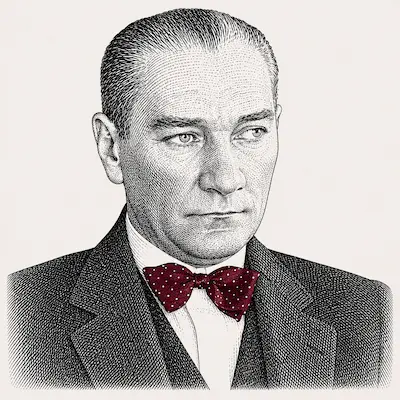
Mustafa Kemal Atatürk
Will argue: That the current crisis tests whether his institutional design can withstand the polarisation he predicted, requiring defence of secular republican principles against both authoritarian capture and institutional breakdown.
The intellectual founder of the Turkish Republic whose framework for secular governance and institutional design is directly invoked in the question.
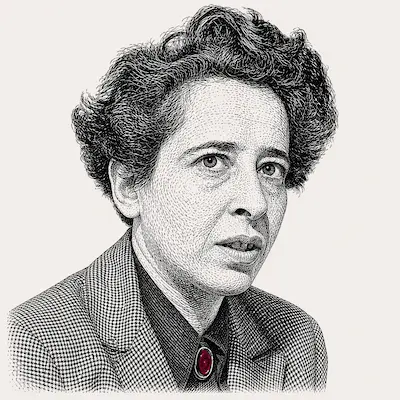
Hannah Arendt
Will argue: That institutional conflicts become existential when one side treats temporary electoral defeat as permanent system threat, examining whether current dynamics fit her patterns of democratic breakdown.
Her analysis of democratic erosion, the conditions under which ordinary institutional politics becomes existential conflict, and the relationship between power and legitimacy directly applies to Turkish institutional confrontation.
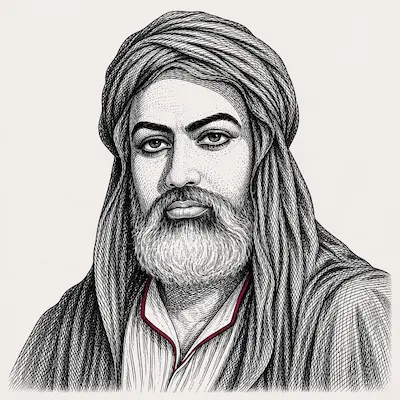
Ibn Khaldun
Will argue: That Turkish political crisis reflects deeper erosion of the social cohesion (asabiyya) that sustained both Ottoman and Republican institutions, examining whether current polarisation indicates systematic institutional decay.
His asabiyya theory and analysis of institutional decay provides framework for understanding when political systems lose cohesion and fragment under internal pressure.
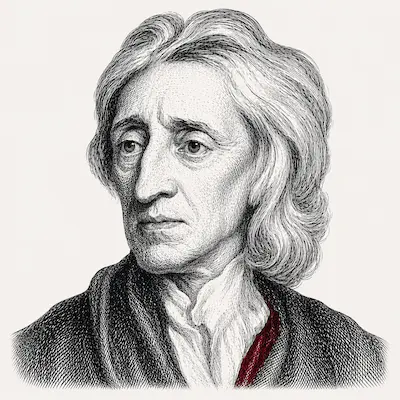
John Locke
Will argue: That the question is whether institutional conflicts represent normal constitutional politics or systematic violation of the constitutional framework that justifies resistance.
His framework on when governments dissolve themselves through systematic violation of constitutional limits and the people's right to resist provides analytical tools for constitutional crisis.
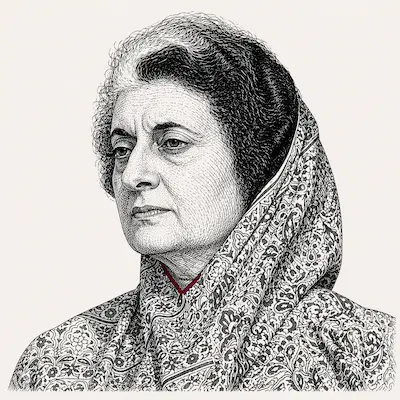
Indira Gandhi
Will argue: That the key question is whether current institutional pressure represents genuine emergency requiring extraordinary measures or normal democratic competition that emergency powers would destroy.
Her documented experience of democratic backsliding (1975 Emergency) and subsequent democratic restoration provides the closest parallel to questions about emergency powers and constitutional governance under pressure.
Considered but not selected
Helmut Schmidt: His framework addresses European governance under external pressure but lacks the specific experience of democratic backsliding in a religiously plural society. - Lee Kuan Yew, His model of authoritarian effectiveness would not address the legitimacy questions central to Atatürk's republican framework. - Margaret Thatcher, Her sovereignty-focused framework lacks engagement with secular-religious tensions or post-imperial state consolidation.