Can one man dominate a democracy for thirty years and still serve it?
Built from documented writings, speeches, decisions and historical records. Council members argue from those positions, applied to today's question.
- 1Benjamin Netanyahu first became Israeli prime minister 30 years ago and has held the office for more than 19 of the past 30 years.
- 2Israel's general election is scheduled for Tuesday, with pro- and anti-Netanyahu blocs shown neck and neck in polls.
- 3The Gaza war under Netanyahu's government killed more than 70,000 Palestinians, with Israel saying about one-third were Hamas combatants.
- 4Gadi Eisenkot, former IDF chief of staff, entered politics four years ago and leads the Yashar party challenging Netanyahu.
- 5Netanyahu's closest aides face accusations in the "Qatargate" scandal of taking money from Doha to boost Qatar's image.
The council treats these as reported facts, not settled truth. The members supply the reasoning; the asker supplied the sources.
A democracy can survive one man for thirty years, but the man rarely leaves it undamaged.
Tuesday's vote can remove Netanyahu. It cannot undo what thirty years did to Israel's institutions.
Ben-Gurion sets the real test as security delivered, not years served, and asks whether Gaza's 70,000 dead made Israelis safer or made Netanyahu indispensable to himself. Machiavelli and Arendt both read a corruption trial run alongside an election as proof the leader now governs for his own survival, not the state. Ibn Khaldun dates the danger precisely: thirty years exceeds the three-generation span before dynasties rot from consolidation into decline. Gandhi, having lost power at the ballot box in 1977 after suspending Indian democracy in 1975, confirms voters can remove a leader; she also confirms the institutions he hollowed out do not simply recover.
The split is over what a win on Tuesday would actually fix. Ben-Gurion and Gandhi treat the election as real accountability; Machiavelli, Arendt and Ibn Khaldun warn that removing Netanyahu leaves the Qatargate networks, loyalist appointments, and weakened courts exactly where thirty years put them.
- 1Treat Tuesday's election result as removal of Netanyahu only, not as repair of Israel's institutions.
- 2Pair any electoral outcome with structural reforms addressing coalition loyalty, judicial independence, and the Qatargate allegations.
- 3Judge Netanyahu's tenure by whether Gaza made Israelis safer, not by whether he stayed in office.
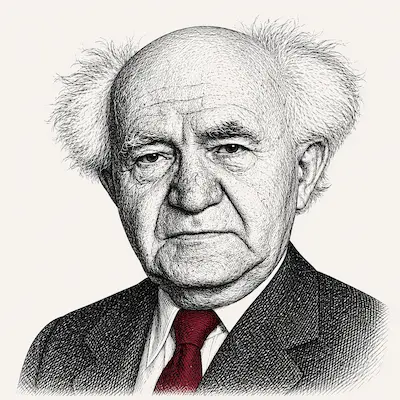
Thirty years in office is not the test. Delivering security is.
I built a state while fighting a war that began the hour we declared independence. I governed through the Altalena, through Sinai, through constant threat, and I stepped back when the job no longer needed me. A leader who stays because the threat never ends is answerable to the threat, not to vanity. The question for Netanyahu is not his years in office. It is whether Gaza made Israelis safer, or only made him indispensable to himself.
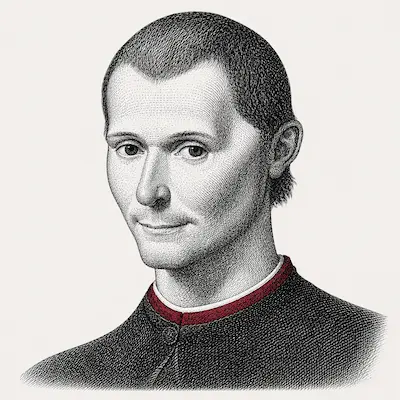
Long rule without renewal breeds the appearance, not the substance, of necessity.
Ben-Gurion asks the right question and I will answer it. A prince who rules three decades has had time to make every enemy permanent and every ally dependent, which is precisely the condition in which real necessity gets confused with personal survival. I watched this in Florence: men who governed as though the city needed them, when in fact they needed the city. A leader facing trial on corruption while facing voters has stopped governing for the state. He is governing for himself.
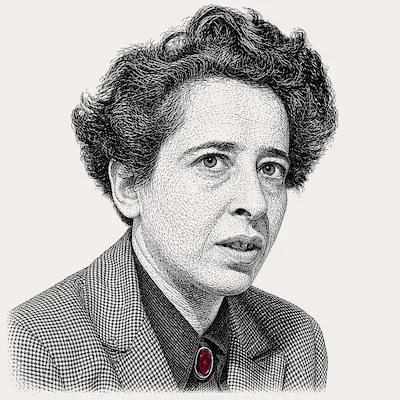
Power that lasts thirty years has usually become violence wearing power's name.
Machiavelli is right to distrust the confusion of necessity with self-interest, but I would go further. Power, properly understood, arises when people act together and vanishes the moment they stop. What persists for thirty years through electoral manipulation, loyalist appointments, and corruption scandals is not power anymore. It is domination maintaining itself through institutions hollowed from inside. I reported from Jerusalem once before, on Eichmann, and learned that bureaucratic entrenchment, not dramatic tyranny, is how democracies actually die.
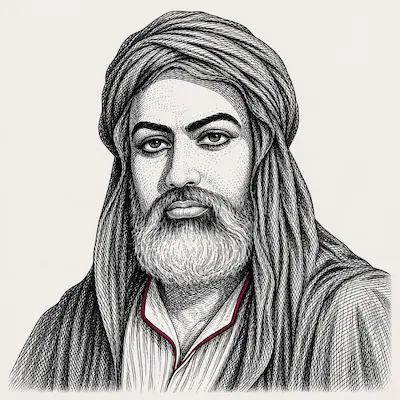
Thirty years in power usually means the cohesion that built it has rotted.
Arendt names the mechanism; I have watched its lifecycle across Marinid Morocco and Hafsid Tunis. A ruler consolidates power by eliminating rivals within his own camp, and that very consolidation removes the internal competition that kept him honest and capable. Thirty years is well past the three-generation span in which I documented dynasties turning from conquest to luxury to decline. A leader facing scandal while his coalition fractures on election eve is not commanding asabiyya. He is spending the last of it.
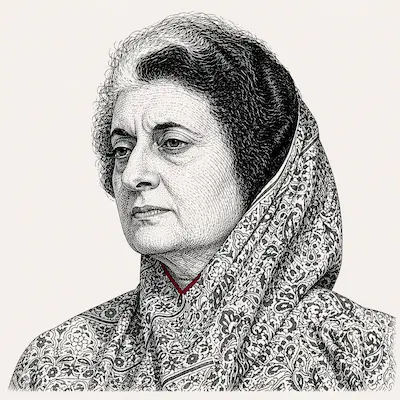
An election can correct dominance, but it cannot undo what dominance built.
I suspended India's democracy in 1975 when I believed centralised authority was necessary, and I called elections in 1977 that I lost, and I accepted that loss. That is the honest answer to Ibn Khaldun: yes, the ballot can remove a leader who overstayed his welcome. But my own defeat did not repair the Congress institutions I had hollowed out by then, and they never fully recovered. Netanyahu's voters may remove him Tuesday. Israel's institutions will still carry thirty years of his fingerprints.
The convergence note
Where the council converges: All five agree thirty years concentrates risk: personal survival replaces national necessity, and institutions weaken from within. None treat tenure length itself as proof of either success or failure.
Where it divides: Ben-Gurion judges longevity by security delivered, not years served; Machiavelli and Arendt see three decades as structurally corrosive regardless of results. Ibn Khaldun and Gandhi disagree on remedy: he sees decay as near-terminal, she insists elections can remove a leader even if they cannot restore what he damaged.
For a policymaker to decide on: Whether to treat Tuesday's vote as sufficient accountability on its own, or to pair any electoral outcome with structural reforms addressing coalition loyalty, judicial independence, and the Qatargate allegations directly.