The Long Council
Who was selected, and why
Can libertarian policy in western democracies lead to more growth and freedom?
The central tension
The core analytical conflict is whether reducing state intervention enhances both prosperity and liberty, or whether market failures and inequality undermine the very freedoms libertarian policy claims to advance.
Selected members
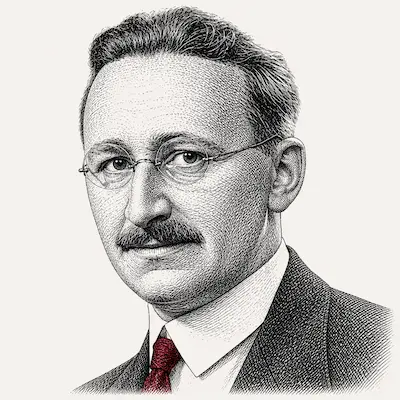
Friedrich Hayek
Will argue: That reducing government intervention allows dispersed knowledge to coordinate through markets, producing both greater prosperity and preserving individual freedom from state coercion.
Hayek provides the foundational intellectual case for libertarian policy, the knowledge problem, spontaneous order, and the road to serfdom argument.
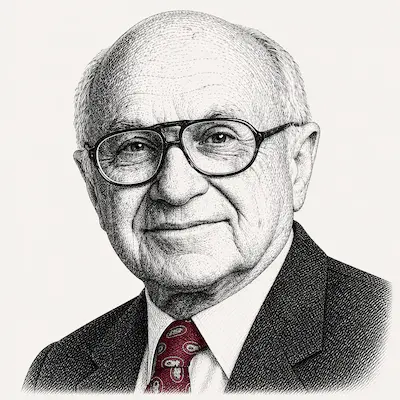
Milton Friedman
Will argue: That free markets are the most powerful mechanism for both economic prosperity and individual freedom, with government intervention systematically producing the opposite of its intended effects.
Friedman offers the technical economic framework for libertarian policy implementation and documented evidence from his policy influence.
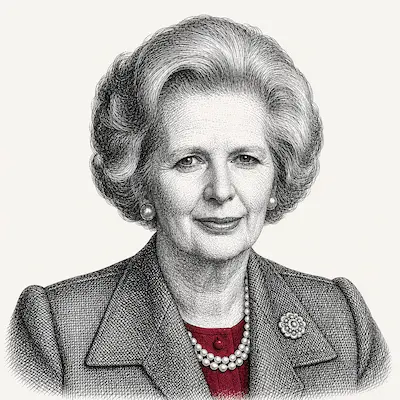
Margaret Thatcher
Will argue: That her policies restored British economic dynamism and individual responsibility, demonstrating libertarian principles work in practice.
Thatcher implemented the most comprehensive documented libertarian policy agenda in a Western democracy, providing empirical evidence.
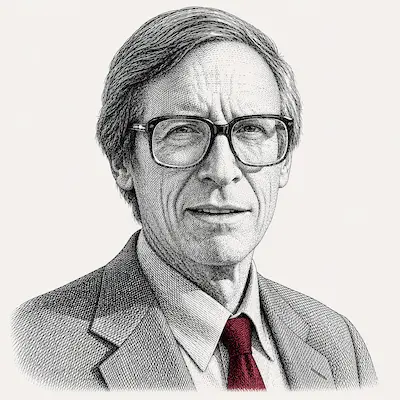
John Rawls
Will argue: That libertarian policies may increase aggregate wealth while systematically disadvantaging the least advantaged, undermining rather than enhancing meaningful freedom.
Rawls provides the systematic philosophical challenge to libertarian policy, whether market outcomes are just and whether freedom requires material conditions.
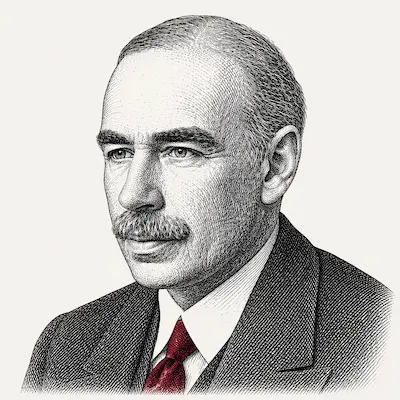
John Maynard Keynes
Will argue: That libertarian policies destabilise rather than strengthen economies, and that sustainable prosperity requires active government management of aggregate demand.
Keynes offers the macroeconomic critique, that markets fail systematically under uncertainty and require government intervention for stability.
Considered but not selected
Lee Kuan Yew: Excluded because his development model explicitly rejects the premise that political freedom must precede economic development, making him a poor test case for Western democratic contexts - Amartya Sen: Excluded because while relevant to the freedom debate, his capability approach is better represented by Rawls's institutional focus for this specific question about policy implementation - Rosa Luxemburg: Excluded because her revolutionary Marxist framework operates outside the Western democratic context the question specifies