The Long Council
Who was selected, and why
As China prospers, will its population demand democracy or greater freedoms?
The central tension
Whether economic development creates structural pressures for political liberalisation (the modernisation thesis) or whether authoritarian regimes can maintain legitimacy through prosperity while controlling political expression.
Selected members
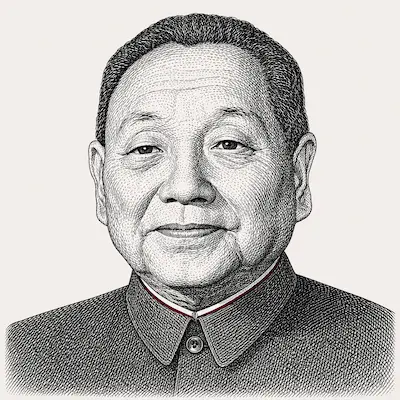
Deng Xiaoping
Will argue: Economic prosperity strengthens rather than weakens the Party's legitimacy; political liberalisation would destroy the conditions that enable development
Architect of China's development model who explicitly rejected the premise that economic reform requires political liberalisation
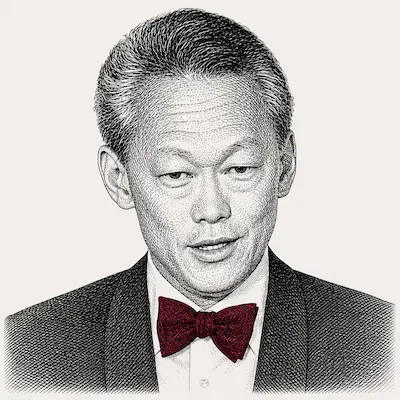
Lee Kuan Yew
Will argue: China's cultural context and governance quality may allow indefinite combination of prosperity with controlled political expression, challenging Western assumptions
Developer of the "Asian values" framework and documented analyst of China's political trajectory
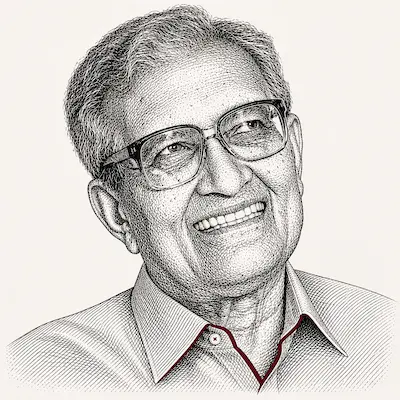
Amartya Sen
Will argue: Genuine development requires political freedoms; prosperity without voice is incomplete development that will generate pressure for democratic participation
Architect of the development-democracy framework arguing that political freedoms are constitutive of development, not its consequence
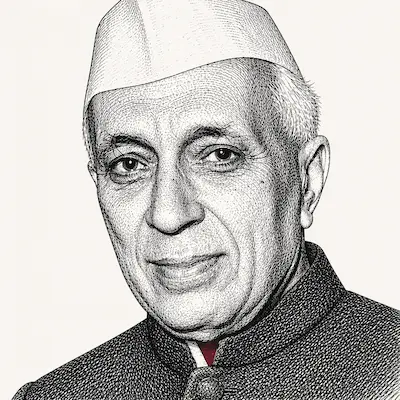
Jawaharlal Nehru
Will argue: Democracy and development are mutually reinforcing; economic prosperity creates educated populations that demand political participation
Post-colonial leader who chose democracy-with-development over development-first, providing documented counterpoint to the Chinese model
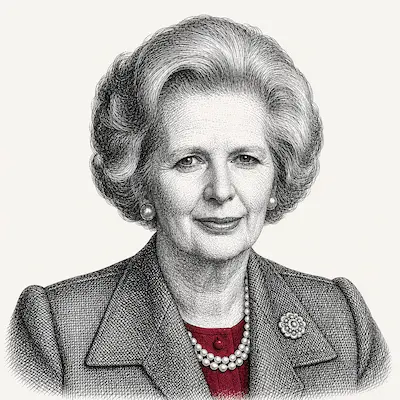
Margaret Thatcher
Will argue: Economic freedom and political freedom are inseparable in the long run; market prosperity will generate demands for broader freedoms that cannot be indefinitely contained
Champion of the freedom-prosperity connection and documented critic of authoritarian development models
Considered but not selected
Confucius: His framework addresses legitimacy and governance quality but not the specific dynamics of modernisation and democratisation - Franklin D. Roosevelt, His experience with depression and war mobilisation is less relevant to prosperity-driven political change - Ibn Khaldun, His cyclical theory could illuminate Chinese institutional durability but doesn't address the modernisation-democracy nexus directly