The Long Council
Who was selected, and why
Is liberal democracy losing to authoritarian models, and what should Western governments do to defend democracy at home?
The central tension
Whether democratic legitimacy requires demonstrating superior performance outcomes versus maintaining democratic principles regardless of authoritarian efficiency claims.
Selected members
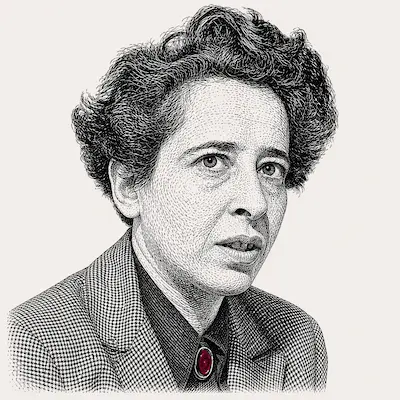
Hannah Arendt
Will argue: Democratic crisis stems from the erosion of genuine political participation, not performance deficits; addressing "rule by nobody" (bureaucracy) is more urgent than competing with authoritarian efficiency
The theorist of totalitarian emergence and democratic erosion under modern conditions
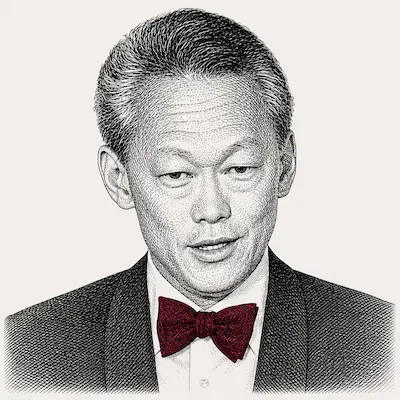
Lee Kuan Yew
Will argue: Authoritarian governance can deliver superior outcomes in specific contexts; Western democracy's crisis is internal (social fragmentation, governance quality) not external competitive pressure
Architect of the most successful authoritarian development model and explicit critic of Western liberal democracy's universal applicability
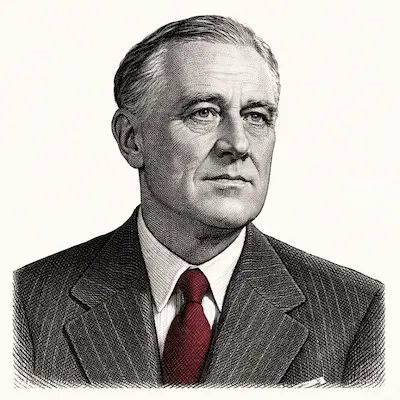
Franklin D. Roosevelt
Will argue: Democracy survives through demonstrated capacity to deliver for citizens, especially during crisis; institutional adaptation and active government intervention can restore democratic legitimacy
Successfully defended democracy against both fascist and communist challenges while adapting democratic institutions under existential pressure
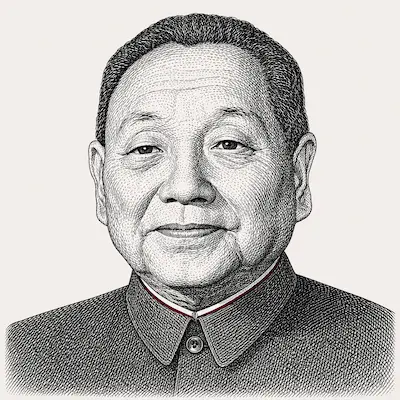
Deng Xiaoping
Will argue: Political stability is the precondition for development; democratic politics produces instability that prevents long-term policy implementation; meritocratic governance outperforms electoral democracy
Architect of the Chinese model that represents the primary contemporary alternative to liberal democracy
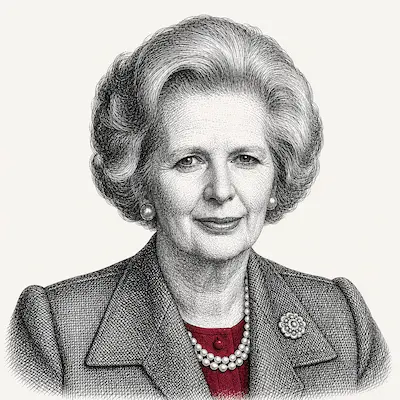
Margaret Thatcher
Will argue: Liberal democracy's strength lies in its capacity for self-correction through market mechanisms and electoral accountability; the current crisis requires renewed commitment to individual responsibility and limited government
Implemented market-oriented reforms while maintaining democratic legitimacy; faced similar charges of democratic crisis in the 1970s
Considered but not selected
Jawaharlal Nehru: Primarily focused on post-colonial democracy rather than democracy under pressure from authoritarian competitors - John Rawls: Ideal theory framework less applicable to crisis conditions and competitive pressures - Confucius: Meritocratic governance theory not directly engaged with democratic vs. authoritarian debate