The Long Council
Who was selected, and why
Is Europe experiencing democratic backslide, and does a rightward shift among governments pose a problem?
The central tension
Whether Hungary's illiberal democracy model and rising far-right influence represent institutional erosion requiring resistance or legitimate electoral outcomes requiring accommodation within democratic norms.
Selected members
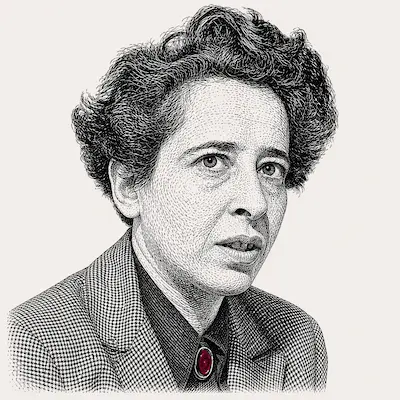
Hannah Arendt
Will argue: Current patterns match documented preconditions for authoritarian capture, erosion of independent institutions, media control, and elimination of political pluralism indicate structural threat beyond normal electoral alternation.
Documented theorist of totalitarian preconditions and democratic erosion through atomization and institutional capture.
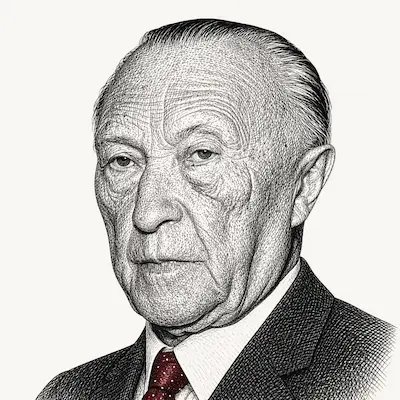
Konrad Adenauer
Will argue: European integration was specifically designed to prevent exactly this pattern, strong institutions and European oversight are necessary because German history shows how quickly democratic norms can collapse.
Architect of post-war European democratic institutions and the integration project designed to prevent authoritarian reversion.
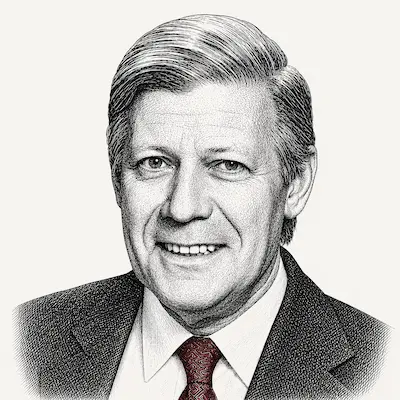
Helmut Schmidt
Will argue: Democratic institutions are stronger than this analysis suggests, the system is designed to weather electoral shifts, and overreaction to rightward trends risks undermining the democratic legitimacy the response claims to protect.
Governed through crisis while maintaining democratic coalitions; experienced pragmatist on European stability versus ideological purity.
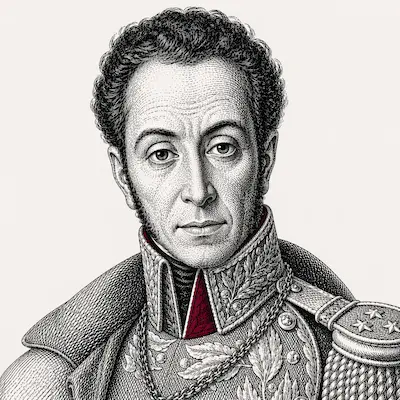
Simón Bolívar
Will argue: European fragmentation parallels Latin American patterns, diverse societies with different economic interests and cultural identities struggle to maintain unified democratic institutions when external pressure mounts.
Documented experience with republican fragmentation and the conditions under which democratic institutions fail to consolidate.
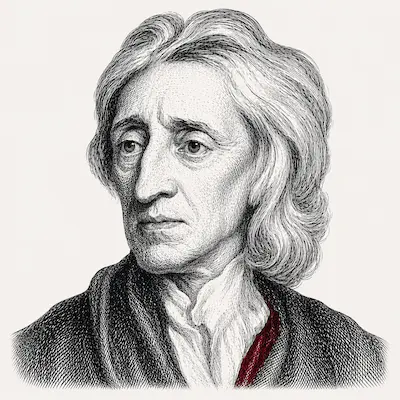
John Locke
Will argue: The question is whether these governments maintain consent of the governed, electoral success suggests they do, and resistance to democratically chosen policies undermines rather than defends democratic legitimacy.
Theorist of legitimate resistance to government and the conditions under which political authority dissolves itself.
Considered but not selected
Sun Tzu: Selected against because this is a cooperative governance problem requiring democratic deliberation, not strategic competition where his adversarial framework would be counterproductive. - Tocqueville: Not available in current roster despite being ideal for democratic culture and majoritarian tyranny analysis. - Rosa Luxemburg: Her revolutionary framework assumes capitalist democracy's structural inadequacy rather than providing tools for democratic preservation within existing institutions.