The Long Council
Who was selected, and why
How can Western democracies reduce bureaucracy?
The central tension
Administrative efficiency versus democratic accountability, whether reducing bureaucracy requires sacrificing oversight mechanisms that protect against abuse of power and ensure public participation.
The two poles
Efficiency
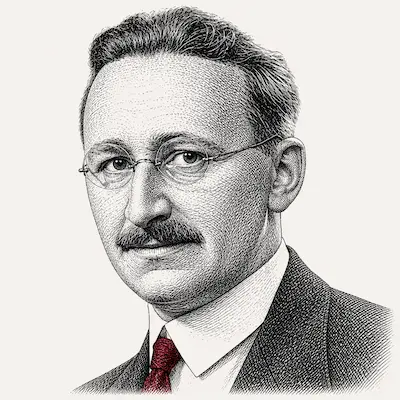 Friedrich Hayek
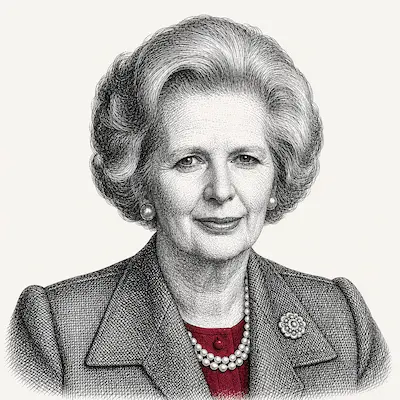 Margaret Thatcher
Accountability
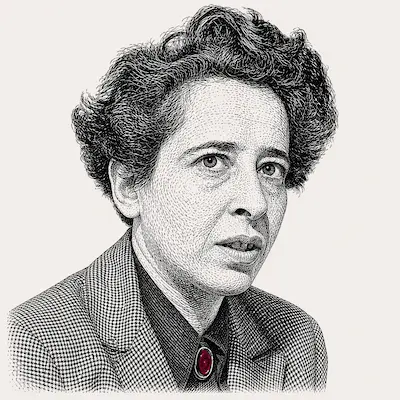 Hannah Arendt
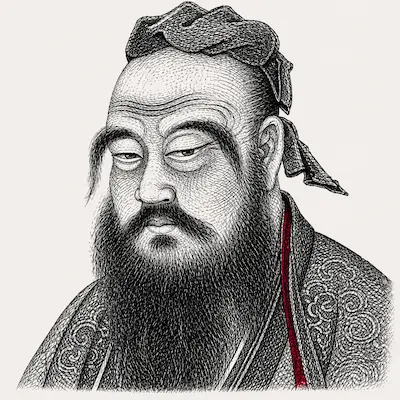 Confucius
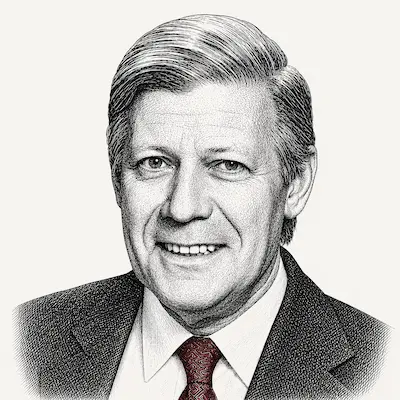 Helmut Schmidt
Selected members
Friedrich Hayek
Will argue: Bureaucracy should be reduced through market mechanisms and rule-based governance rather than discretionary administration
Documented the knowledge problem in central planning and argued that bureaucratic rule-making cannot effectively process dispersed local information
Margaret Thatcher
Will argue: Bureaucracy reduction requires political will to confront entrenched interests and transfer functions from state to market
Implemented systematic reduction of British bureaucracy through privatisation, deregulation, and civil service reform during the 1980s
Hannah Arendt
Will argue: Bureaucracy reduction must preserve spaces for genuine political action and cannot eliminate accountability mechanisms
Theorised bureaucracy as "rule by nobody" and analysed how administrative systems can undermine political accountability and democratic participation
Confucius
Will argue: Reduce bureaucracy through better officials and clearer procedures, not by eliminating oversight of official conduct
Emphasised that governance quality depends on official competence and integrity, with systematic principles for administrative efficiency and moral accountability
Helmut Schmidt
Will argue: Bureaucracy serves necessary coordination functions but must be streamlined through better procedures and clearer authority, not eliminated
Managed complex policy coordination across multiple institutions while maintaining efficiency during crises; experienced tension between democratic deliberation and decisive action
Considered but not selected
Lee Kuan Yew: Focused on small-state efficiency rather than democratic accountability trade-offs in large federal systems - Milton Friedman: Economic framework overlaps too much with Hayek without adding distinct administrative perspective - Franklin D. Roosevelt: His expansion of federal bureaucracy during the New Deal makes him the counter-example rather than the solution advocate