The Long Council
Who was selected, and why
Will the current global economy continue to grow, or will tensions cause a recession?
The central tension
The core analytical conflict is between those who see current tensions as manageable within existing economic frameworks versus those who view them as structural pressures that could trigger systemic economic contraction.
Selected members
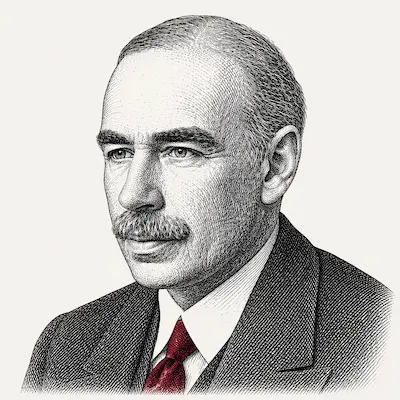
John Maynard Keynes
Will argue: That under genuine uncertainty, markets can remain irrational longer than economies can remain solvent; focus should be on managing aggregate demand and preventing deflationary spirals.
His framework for understanding economic cycles, uncertainty, and crisis management provides essential tools for analyzing recession risk.
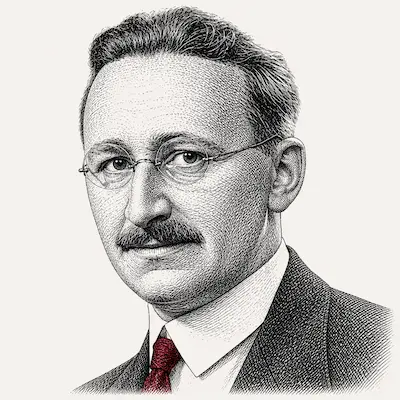
Friedrich Hayek
Will argue: That market mechanisms will adjust to current tensions more effectively than government intervention; artificial stimulus creates more instability than it prevents.
His theory of spontaneous order and critique of government intervention offers a contrasting framework for understanding how economies self-correct.
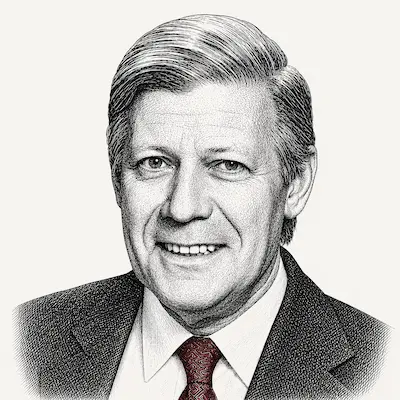
Helmut Schmidt
Will argue: That external shocks require pragmatic policy responses; energy and resource security are fundamental to economic stability; fiscal discipline maintains credibility.
His experience managing the 1973 oil crisis and 1970s stagflation provides concrete case studies of navigating economic disruption amid geopolitical tension.
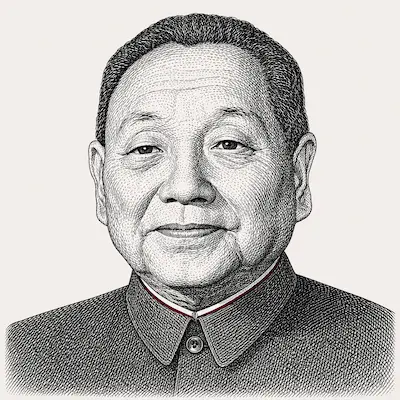
Deng Xiaoping
Will argue: That economic development requires political stability first; gradual adjustment is superior to shock therapy; focus should be on building productive capacity rather than managing financial markets.
His framework for economic development under external pressure and his "hide your strength, bide your time" doctrine are relevant to current global tensions.
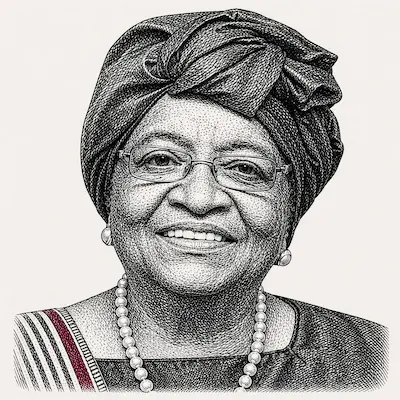
Ellen Johnson Sirleaf
Will argue: That smaller and more vulnerable economies face disproportionate risks from global economic contraction; international coordination is essential for preventing cascading failures.
Her experience managing economic reconstruction under extreme constraint provides perspective on how fragile economies navigate global economic pressures.
Considered but not selected
Milton Friedman: His monetarist framework is relevant but overlaps substantially with Hayek's market-oriented perspective without adding distinct crisis management experience. - Lee Kuan Yew: His small-state economic strategy is relevant but the focus on city-state management doesn't address the global scale of the question. - Margaret Thatcher: Her experience with economic transformation is relevant but her framework assumes established institutional capacity not present in current global tensions.