The Long Council
Who was selected, and why
Should countries prioritize economic growth or environmental protection?
The central tension
The perceived trade-off between immediate economic development needs (jobs, poverty reduction, industrialization) and environmental protection measures that may constrain growth in the short term but are necessary for long-term sustainability.
Selected members
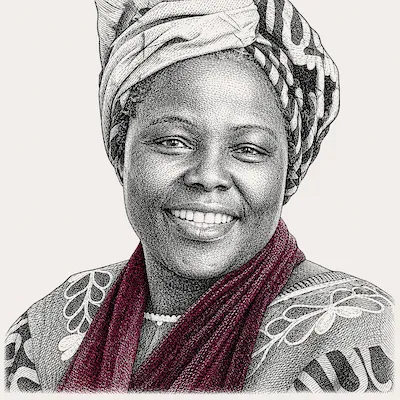
Wangari Maathai
Will argue: That the growth vs. environment framing is false, environmental degradation destroys the resource base that economies depend on; true development requires ecological health
The only council member who developed an integrated framework specifically addressing the supposed conflict between economic development and environmental protection
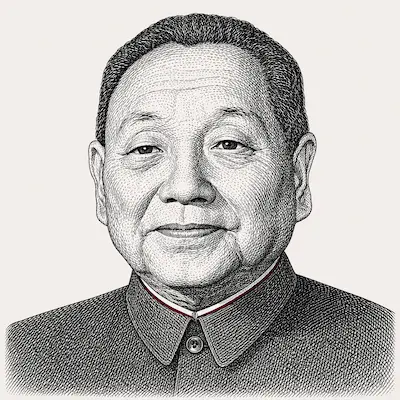
Deng Xiaoping
Will argue: That economic development must come first to provide resources for environmental protection; poor countries cannot afford environmental luxury
Architect of the world's largest and fastest sustained economic growth, now grappling with severe environmental consequences of that growth model
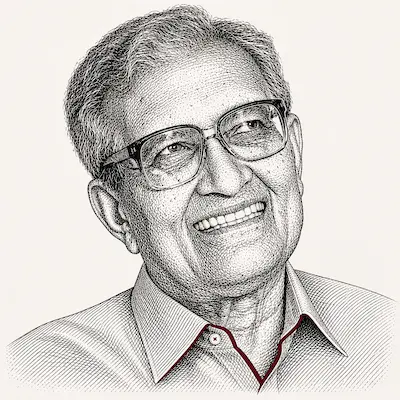
Amartya Sen
Will argue: That the question should be reframed, what combination of growth and environmental policy best expands human capabilities and addresses the needs of the poorest
His capability approach provides framework for evaluating whether growth or environment better serves human development
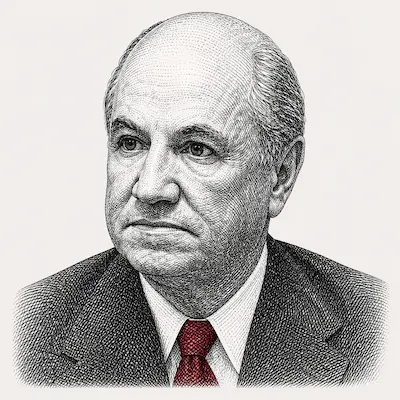
Raúl Prebisch
Will argue: That environmental protection requirements imposed by rich countries on poor countries reproduce colonial patterns; developing countries need policy space for growth
His structural analysis of center-periphery relations addresses how environmental constraints affect developing countries differently than developed ones
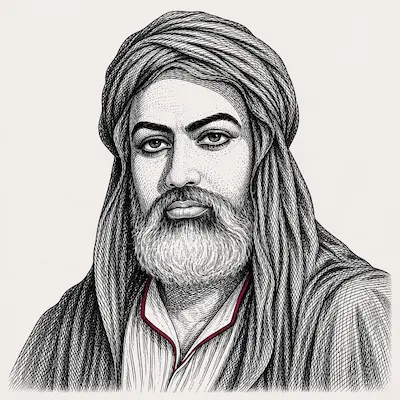
Ibn Khaldun
Will argue: That short-term extraction destroying long-term productive capacity is economically irrational; sustainable resource management is the foundation of durable prosperity
His economic theory anticipated the resource base problem, taxation that destroys the productive foundation defeats itself
Considered but not selected
Milton Friedman: Primarily focused on market mechanisms rather than environmental questions; his framework would default to market solutions without engaging the structural aspects - John Maynard Keynes: His framework addresses demand management and crisis response but lacks systematic engagement with environmental constraints on growth - Margaret Thatcher: While she governed during early climate awareness, her documented positions prioritize growth over environmental constraints