The Long Council
Who was selected, and why
Fertility rate is dropping dramatically. What problems would we face with a diminishing population?
The central tension
[Whether demographic decline creates manageable economic adjustments or represents an existential challenge to institutional sustainability and social cohesion]
Selected members
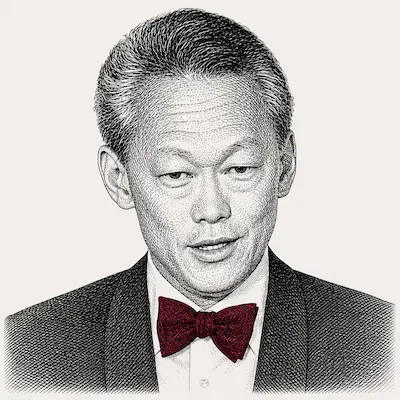
Lee Kuan Yew
Will argue: That demographic decline threatens small state viability and that market incentives cannot solve what cultural and economic structures have created
Singapore under his leadership experienced one of the world's steepest fertility declines and he actively grappled with population policy failures
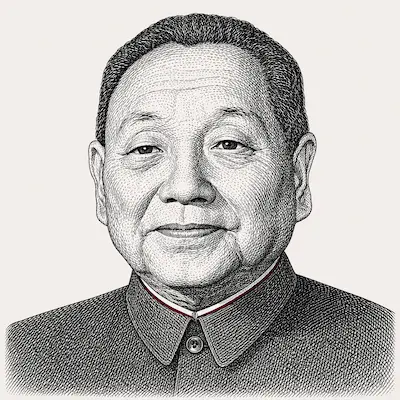
Deng Xiaoping
Will argue: That rapid demographic transitions require state intervention but create unforeseen structural problems requiring adaptive governance
Architect of the One-Child Policy whose long-term demographic consequences China is now experiencing as a major governance challenge
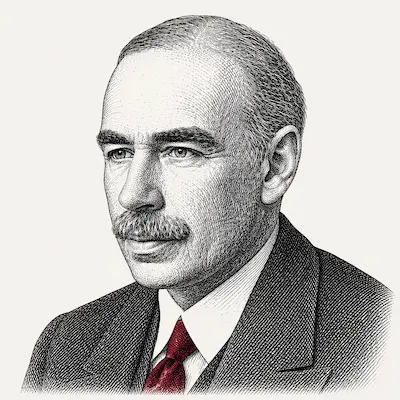
John Maynard Keynes
Will argue: That declining populations create deflationary pressures, reduce investment incentives, and may require fiscal intervention to maintain economic stability
His framework addresses the macroeconomic consequences of demographic shifts on demand, investment, and the age structure of the economy
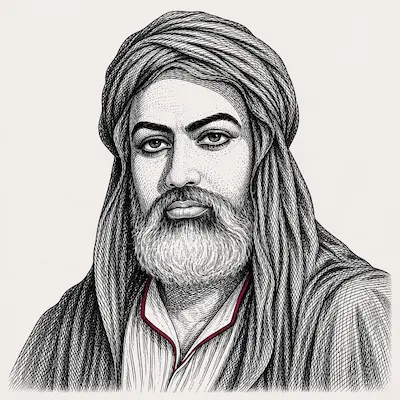
Ibn Khaldun
Will argue: That demographic decline is both symptom and cause of civilizational decay, weakening the group solidarity necessary for collective action
His cyclical theory directly addresses how demographic decline interacts with institutional decay and social cohesion
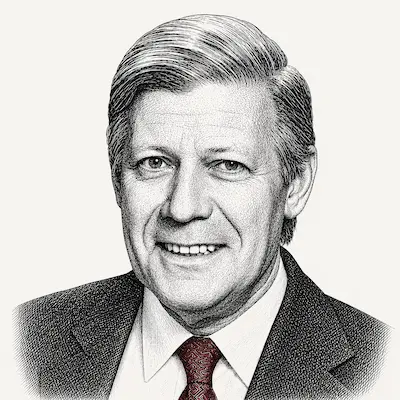
Helmut Schmidt
Will argue: That demographic decline requires fundamental restructuring of social contracts and cannot be solved through short-term policy adjustments
He governed through Europe's initial demographic transition and understood the long-term infrastructure and social security implications
Considered but not selected
Amartya Sen: His capability approach and development framework are less directly applicable to demographic decline in advanced economies - Margaret Thatcher: While she dealt with economic restructuring, her framework doesn't specifically address demographic transition - Franklin D. Roosevelt: His experience was with economic crisis management rather than long-term demographic challenges