The Long Council
Who was selected, and why
Has Britain entered an accelerating spiral of disorder?
The central tension
The debate between systemic institutional failure versus episodic challenges that capable governance can address.
Selected members

Hannah Arendt
Will argue: That Britain may be experiencing the atomisation and loss of public realm that precedes authoritarian capture, but institutional memory could still provide recovery capacity.
Her framework on totalitarian origins and democratic erosion provides the analytical tools for diagnosing institutional collapse and the conditions under which political communities fragment.
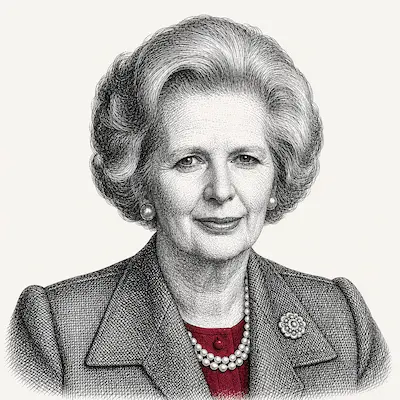
Margaret Thatcher
Will argue: That current disorder stems from abandoning her institutional reforms and the state attempting to do too much rather than focusing on core functions.
As the architect of the economic model whose consequences are now manifesting, and as a crisis manager who governed through the 1980s upheavals, she provides the conservative diagnostic and prescription.
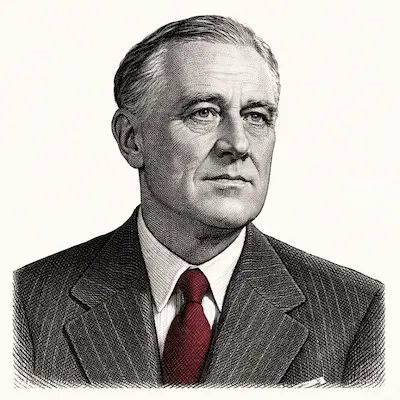
Franklin D. Roosevelt
Will argue: That accelerating crises require accelerated institutional response, that government must act decisively even when the specific actions are uncertain.
His experience managing systemic crisis through decisive state action and institutional innovation provides the activist government response to cascading failure.
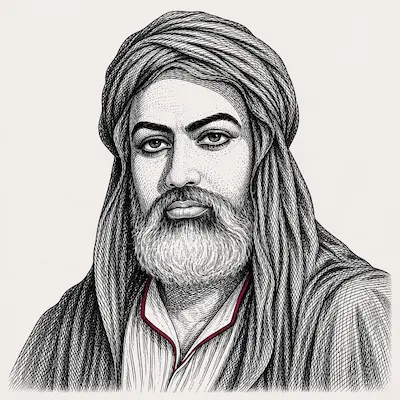
Ibn Khaldun
Will argue: That Britain shows classic signs of institutional decline, loss of social cohesion, inability to make hard choices, tax extraction exceeding productive capacity, but the cycle can be arrested through renewed collective purpose.
His theory of asabiyya (social cohesion) and cyclical institutional decay directly addresses how states lose the capacity to govern and whether this process is reversible.
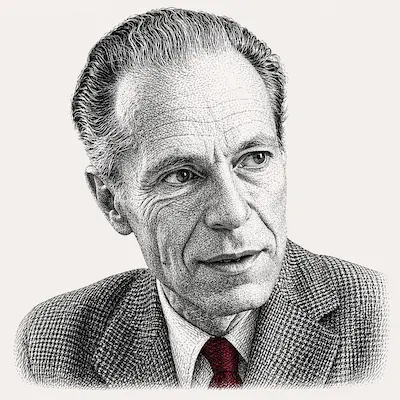
Albert O. Hirschman
Will argue: That Britain's crisis may be self-correcting, making exit costly (Brexit) forces voice, and apparent acceleration of problems may reflect increased attention rather than objective deterioration.
His exit-voice-loyalty framework explains how institutional quality deteriorates when capable people leave rather than work to reform systems, directly applicable to British brain drain and institutional abandonment.
Considered but not selected
Helmut Schmidt: His crisis management experience is relevant but his framework assumes stronger institutional foundations than Britain currently possesses - David Ben-Gurion, Small state survival strategy not applicable to a major power's internal governance crisis - Niccolò Machiavelli, His framework for power under threat is useful but the question is institutional rather than personal authority