The Long Council
Who was selected, and why
Should we get rid of the senate in the Netherlands?
The central tension
Bicameral deliberation and checks versus democratic efficiency and popular sovereignty.
Selected members
John Stuart Mill
Will argue: The Senate serves essential functions of deliberation, expertise, and preventing majoritarian excess that unicameralism cannot provide.
Authored the most systematic defense of bicameralism in Considerations on Representative Government, specifically addressing the value of upper chambers as deliberative bodies.
James Madison
Will argue: Bicameralism protects against factional dominance and provides necessary institutional stability through different selection methods and terms.
Principal architect of bicameralism in Federalist 62-63, providing the foundational theory of why two chambers serve different democratic functions.
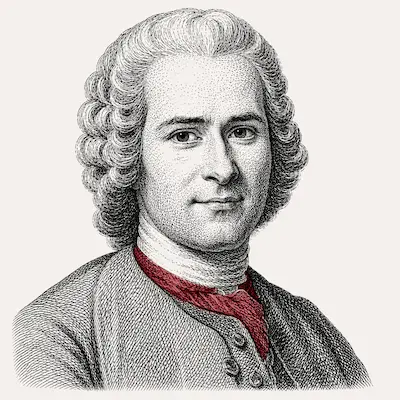
Jean-Jacques Rousseau
Will argue: The Senate creates unnecessary distance between popular will and legislative output; democratic legitimacy requires more direct popular control.
Theorist of popular sovereignty who argued that the general will should not be filtered through multiple institutional layers that distance it from the people.
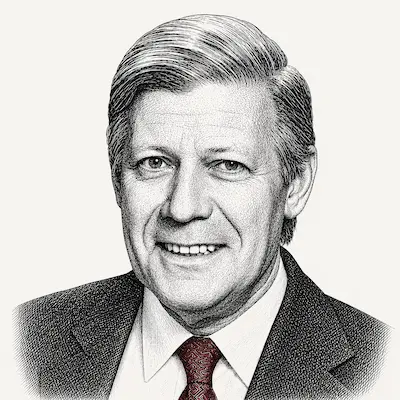
Helmut Schmidt
Will argue: Upper chambers can provide valuable deliberation but must not be allowed to paralyze governance when decisive action is needed.
Governed within the German bicameral system and experienced both its stabilizing effects and its capacity to obstruct necessary policy changes.
Considered but not selected
Hannah Arendt: Her focus on power versus authority is relevant but she lacks specific positions on bicameralism as an institutional design question. - John Rawls, His framework addresses justice in institutions generally but doesn't engage with the specific question of one versus two legislative chambers. - Konrad Adenauer, While he governed in a bicameral system, his documented positions focus more on federalism than on the principle of bicameralism itself.